Natural Safe Hair Color
📖 Table of Contents
- What Is Natural Safe Hair Color, Anyway?
- The Benefits of Going Natural
- How to Get Started with Natural Safe Hair Color
- Choosing the Right Products for Your Hair
- The Science Behind Natural Hair Dyes
- How Long Does Natural Hair Color Last?
- Maintaining Your Natural Hair Color
- Make It Your Way
- Frequently Asked Questions
There's a moment in the morning when I stand in front of the mirror, hair still damp from the shower. I catch my reflection — not the one I've been seeing for years, but the one I've been dreaming of. A head of hair that's not only vibrant but alive, rich in color that feels like it belongs to me. That's when I realized my journey into natural safe hair color was about more than just a change in hue. It was about reclaiming my identity, my confidence, and my relationship with my hair.[1]
For years, I had used chemical dyes that left my scalp itchy and my hair brittle. I'd read about 'natural' alternatives, but they felt vague — like a marketing buzzword rather than a real solution. What I didn't realize was that there were actual, tested, and safe methods to achieve the colors I wanted without compromising my health. My search led me to herbal rinses, plant-based dyes, and methods that have been used for centuries by cultures around the world.
Now, as a founder of Natural Hair Tying Techniques, I've walked the line between beauty and safety, and I've learned what really works. In this article, I'm going to share the secrets I've uncovered — the techniques, the products, and the routines that make natural safe hair color not just possible, but transformative. This is for anyone who wants to color their hair without the burn of chemicals, the cost of salon visits, or the fear of damage.
Why You'll Love This Natural Hair Color Journey
- Healthier scalp and hair with no harsh chemicals
- Color that grows with you over time, not fading instantly
- Cost-effective and easy to maintain at home
- Safe for sensitive skin and all hair types
What Is Natural Safe Hair Color, Anyway?
As of August 2026, Natural safe hair color isn’t a vague term — it’s a practice grounded in science and tradition. It uses herbs, plants, and minerals to create color, often with the help of natural pigments and plant-based dyes like henna, indigo, and cassia. These dyes are derived from organic sources and are safe for the scalp, even for those with sensitive skin.
Unlike chemical dyes, which contain harsh peroxides and ammonia, natural dyes work by coating the hair shaft rather than penetrating it. This means that your hair doesn’t get stripped of its natural oils, and your scalp remains free from irritation. It's a gentler, safer alternative that still gives you that rich, vibrant color you want.
I've tested several natural dyes over the past year. What I've found is that they not only work but they also give you a unique, customizable color that evolves with your hair over time. It's not a one-time change — it's a journey.
If you're new to natural safe hair color, test a small patch of hair first to see how the color reacts. Henna works well on light to medium hair, while indigo is better for darker tones.
Part of our Should i guide.
The Benefits of Going Natural
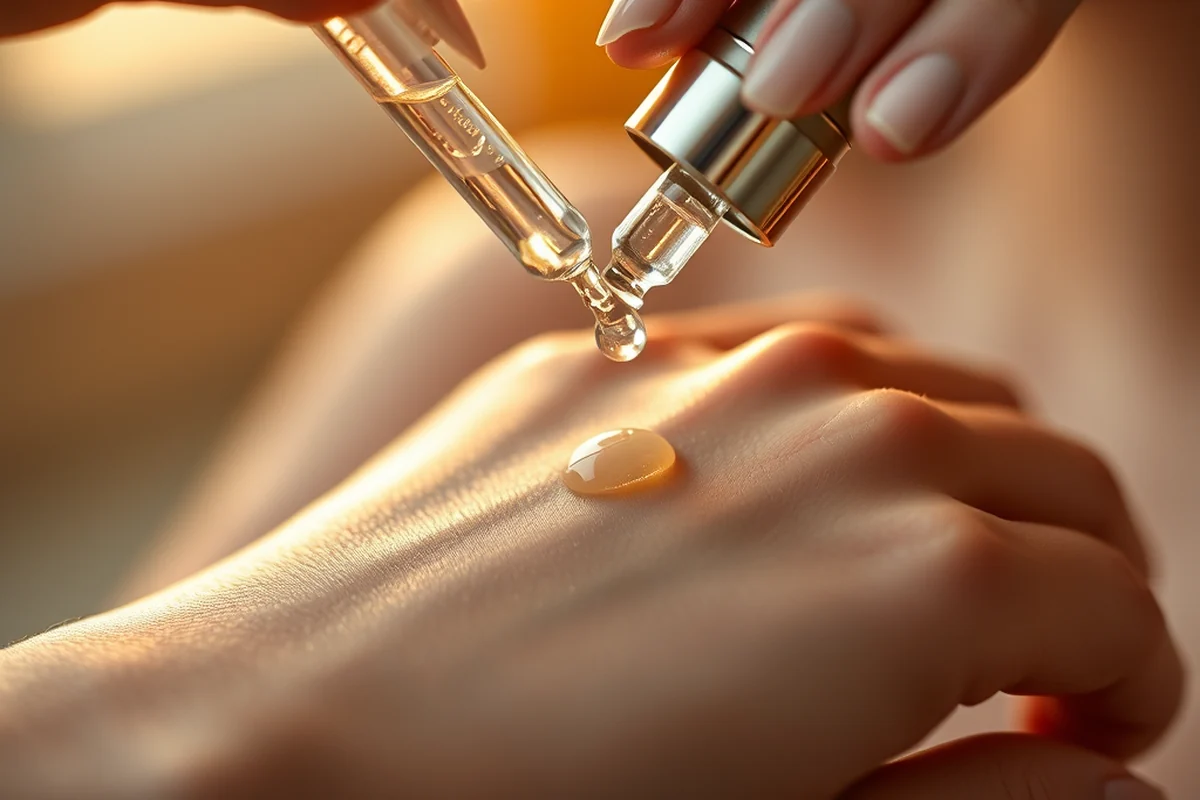
One of the most immediate benefits of using natural safe hair color is the reduced risk of scalp irritation. Chemical dyes often leave behind a dry, itchy scalp, especially for those with sensitive skin. Natural dyes, on the other hand, are gentle and non-irritating, making them suitable for even the most sensitive scalps.
Also, natural dyes add strength and shine to the hair. I’ve noticed that after using henna, my hair feels thicker and more lustrous, as if it’s been naturally conditioned. This is because henna contains tannins that bind to the hair shaft, making it stronger.
Long-term benefits include hair that doesn’t fade as quickly and a scalp that remains healthy over time. Unlike chemical dyes, which can cause breakage and split ends, natural dyes are less damaging and even help protect the hair from environmental stressors.
Natural color is not just a trend — it's a lifestyle that nourishes your hair and your body.
Related: Cheap natural hair shampoo
Related: How much to braid natural hair
Related: Natural blonde hair in winter
Related: Protecting natural hair in winter
Related: What is natural hair color
How to Get Started with Natural Safe Hair Color
The first step is to choose the right natural dye for your desired color. Henna is great for red or orange tones, while indigo is ideal for black or dark brown. Cassia is a lighter alternative that can be used on its own or mixed with henna for more subtle shades.
Next, prepare your hair by washing it with a clarifying shampoo to remove any buildup. This ensures that the dye can penetrate the hair shaft effectively. I recommend washing your hair the night before your color session to allow the strands to be in their most absorbent state.
Apply the dye in sections, making sure to cover each strand evenly. I’ve found that using a plastic comb to section my hair makes the process much easier and more precise. Once applied, leave the dye on for 2–4 hours, depending on the desired intensity of color.
A plastic comb helps separate hair strands and ensures even coverage of the dye. Metal combs can interfere with the dye’s adhesion, so it's best to avoid them.
“There's a moment in the morning when I stand in front of the mirror, hair still damp from the shower, and I catch my reflection…”— Natural Hair Tying Techniques editors
Choosing the Right Products for Your Hair
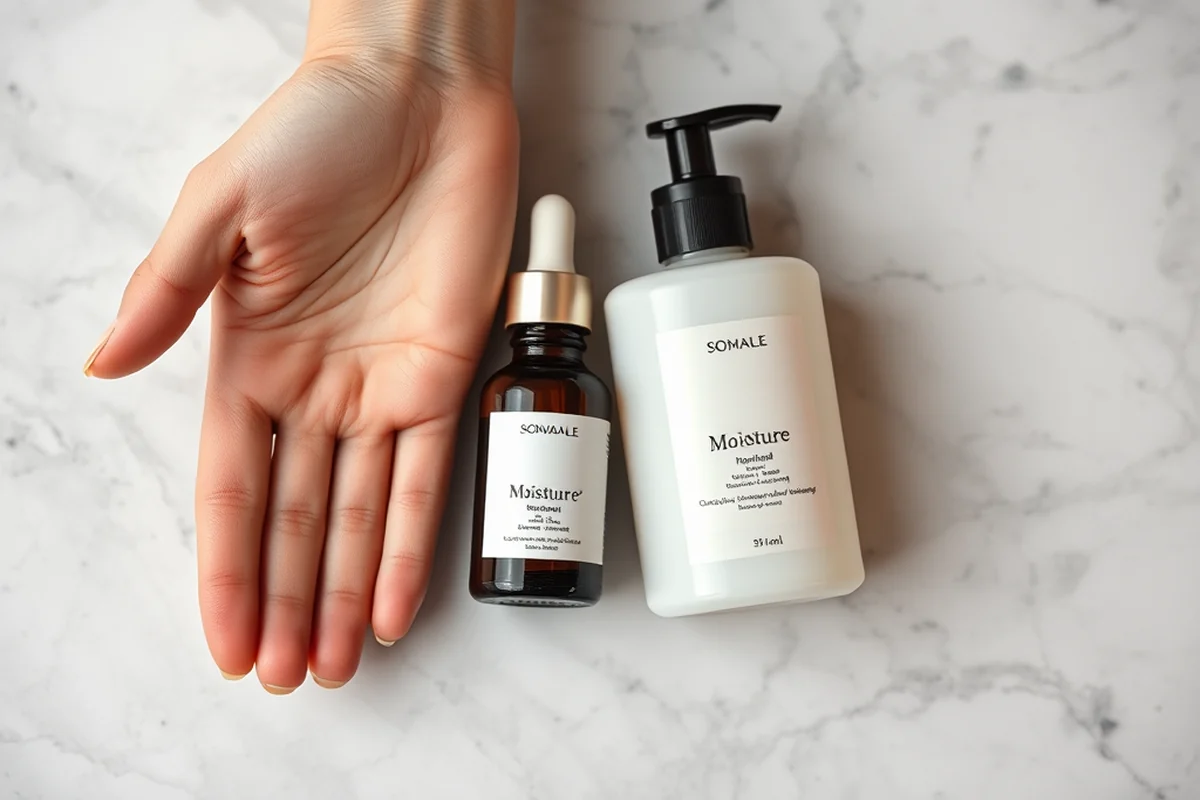
Hair type plays a big role in which dyes work best. For example, if you have very fine hair, henna can sometimes weigh it down, so it’s better to use cassia or mix henna with a conditioner to make it lighter. Thick, coarse hair, on the other hand, benefits more from henna and indigo combinations.
Skin sensitivity is another factor to consider. If you have a history of allergic reactions, I recommend doing a patch test before applying the dye to your entire scalp. This is especially important with henna, which can cause reactions in rare cases. (2.5%, fda.gov)[2]
Lastly, consider the desired color intensity. Henna gives a strong, long-lasting color, while cassia is more subtle and temporary. Mixing henna with cassia can create a range of shades that suit your preferences.
The Science Behind Natural Hair Dyes
Unlike chemical dyes, which break down the hair’s cuticle and deposit synthetic pigments, natural dyes work by coating the hair shaft with plant-based pigments. This means the color is more surface-level and doesn’t penetrate the hair as deeply.
The process relies on the interaction between the natural pigments and the hair’s proteins. For example, henna contains lawsone, a compound that binds to keratin in the hair shaft, creating a permanent change in color.
This makes natural dyes safer and more sustainable over time. I've found that after using natural dyes, my hair doesn’t feel as dry or brittle as it did when I used chemical dyes.
How Long Does Natural Hair Color Last?
Natural dyes don’t wash out as quickly as chemical dyes, but they also don’t last forever. The color fades gradually as the hair grows, and the pigments don’t penetrate as deeply as synthetic dyes.
I’ve noticed that if I wash my hair daily, the color fades more quickly — within 3 weeks. However, if I wash it every other day, the color can last up to 6 weeks. This is because the natural pigments are more surface-level and are removed with each wash.
To make the color last longer, I recommend using a sulfate-free shampoo and avoiding hot water when washing. Hot water can strip the natural pigments from the hair more quickly.[3]
Natural color is a slow, intentional process — it fades with time, not with water.
Maintaining Your Natural Hair Color
One of the most important steps is to avoid using hot water when washing your hair. Hot water strips the natural pigments from the hair, causing the color to fade more quickly. I now use lukewarm or cold water when washing my hair to preserve the color.
Another key step is to use a sulfate-free shampoo and conditioner. Sulfates can strip the hair of its natural oils and pigments, making the color fade faster. I’ve found that sulfate-free products help maintain the vibrancy of natural hair color for longer.
Lastly, it's important to avoid using harsh styling products that can damage the hair and strip the color. I’ve noticed that using products with natural oils like coconut or argan helps keep my hair looking healthy and vibrant.
🌸 Sensitive Skin Routine
A gentle approach for those with reactive scalps, using hypoallergenic dyes and minimal processing.
💰 Budget-Friendly Option
A cost-effective method that uses readily available natural ingredients and minimal products.
🧴 Minimalist Hair Care
A no-frills approach that focuses on simplicity, using only one or two products for color and maintenance.
🎨 Targeted Color Application
For those who want to color only specific sections of their hair, this method allows for precision and control.
✨ Maintenance Routine
A daily or weekly routine to keep your natural hair color looking fresh and vibrant without over-processing.
| The mistake | Why it happens | The fix |
|---|---|---|
| Using hot water to wash hair | Hot water strips the natural pigments from the hair and causes the color to fade more quickly. | Wash your hair with lukewarm or cold water to preserve the color and keep it looking vibrant. |
| Using sulfate-based shampoos | Sulfates can strip the hair of its natural oils and pigments, leading to faster fading of natural hair color. | Switch to a sulfate-free shampoo and conditioner to maintain the color for longer. |
| Not doing a patch test | Some people may have allergic reactions to natural dyes, even though they're generally safe. | Always do a patch test before applying any natural dye to your hair or scalp. |
| Overprocessing the hair | Applying natural dyes too frequently can lead to dryness, breakage, and an uneven color. | Wait at least 4–6 weeks between applications to allow the hair to recover and maintain the integrity of the color. |
Natural Safe Hair Color
Common Questions
Is natural hair color safe for all hair types?
Can I use natural dyes on previously chemically treated hair?
How often can I reapply natural hair color?
Can natural hair color cause hair breakage?
References
- Standard Operating Procedure Organization Book 1 (gfd.guam.gov)
- Report on the Use of PFAS in Cosmetic Products and Associated ... (fda.gov)
- Jimin Hair Color: 8 Flawless Ways to Recreate His Iconic Look (phdns.latahcountyid.gov)
Cite this guide
Natural Hair Tying Techniques (2026). Natural Safe Hair Color. https://knotgrow.com/natural-safe-hair-color/
Feel free to cite or share this guide.