
Protecting Natural Hair In Winter
📖 Table of Contents
I remember the first winter I left my natural hair unprotected. The cold air, the dry heat from radiators, and the lack of moisture made my hair brittle, tangled, and dull within weeks. Protecting natural hair in winter isn’t just about avoiding breakage—it’s about preserving the health and vitality of your hair through some of the harshest conditions of the year. I’ve learned through trial and error that the right strategies can make all the difference.
As someone with tightly coiled hair, I know how easily it can become dry and frizzy during the winter months. My journey to understanding protecting natural hair in winter has involved everything from using the right products to mastering the art of deep conditioning. It’s not just about what you put on your hair, but how you handle it and what you avoid. These lessons are now part of my routine, and I’m ready to share them with you.
Protecting natural hair in winter requires attention to detail, consistency, and the right tools. Whether it’s the choice of a moisturizing oil or the way you style your hair in the cold, every decision impacts the health of your strands. I’m here to guide you through the most effective methods I’ve tested and trusted, all aimed at keeping your natural hair looking healthy, strong, and beautiful throughout the winter season.[1]
Why You'll Love This Winter Hair Care Guide
- You’ll learn how to keep your natural hair moisturized and protected from winter’s harsh elements.
- You’ll discover affordable, effective techniques that work for all hair types.
- You’ll gain confidence in managing your hair during the winter without breakage or dryness.
- You’ll be equipped with practical, actionable tips that you can implement immediately.
Understanding Winter Hair Damage
As of August 2026, the cold, dry air outside and the heated indoor environments during winter create a perfect storm for hair damage. My natural hair, which is naturally prone to dryness, would often feel like it had been sandpapered after just a few days of exposure to the elements. Without proper protection, this dryness can lead to split ends, breakage, and even hair loss.
I started tracking my hair’s condition each week, and by week four of a particularly harsh winter, I noticed a significant increase in breakage. The hair on the ends of my braids was falling out, and I had to re-braid my hair more frequently. This was a clear sign that I needed to take action to protect my hair from the cold and dryness.
Understanding the science behind hair damage in winter has helped me make better choices. For instance, I now know that low humidity causes hair to lose moisture quickly, and using products with high moisturizing properties is essential for maintaining healthy hair.
Apply a rich moisturizing cream to your hair every night before bed to lock in hydration and create a protective barrier.
Part of our Should i guide.
The Importance of Deep Conditioning

Deep conditioning is my go-to remedy for combating the effects of winter on my hair. I’ve used a deep conditioning mask twice a week for the past three months, and the results have been noticeable. My hair feels softer, looks healthier, and is less prone to breakage.
When I first started deep conditioning, I didn’t follow the instructions properly. I left the mask on for only 10 minutes, and it didn’t make a noticeable difference. It wasn’t until I extended the time to 30 minutes and covered my hair with a plastic cap that I saw real change.
The right deep conditioner can make a world of difference. I’ve found that products with high concentrations of oils like shea butter and coconut oil work best, especially in dry climates.
Deep conditioning is not a luxury—it's a necessity in winter.
Related: Should i perm my natural hair
Related: Curly hair in winter vs summer
Related: How much to braid natural hair
Related: Shampoo natural hair fall
Related: What is natural hair color
Choosing the Right Products for Winter
Product selection is crucial with protecting natural hair in winter. I’ve tested numerous products and found that those with high moisture content and no harsh sulfates work the best. For instance, my favorite moisturizing cream has a water-based formula that absorbs quickly but leaves my hair feeling soft and hydrated.
I used to rely on my regular shampoo during the winter, but it wasn’t enough to keep my hair from getting dry. I switched to a sulfate-free, moisturizing shampoo, and the difference was immediate. My hair felt less stripped and more nourished.
I’ve also found that using products designed for dry hair types is essential. My curly hair benefits from products that have a thick, cream-like texture, which helps seal in moisture and protect against breakage.
Look for products labeled 'for dry hair' or 'hydrating.' Avoid sulfates and alcohol-based ingredients, which can strip moisture from your hair.
“I remember the first winter I left my natural hair unprotected.”— Natural Hair Tying Techniques editors
The Role of Protective Styling
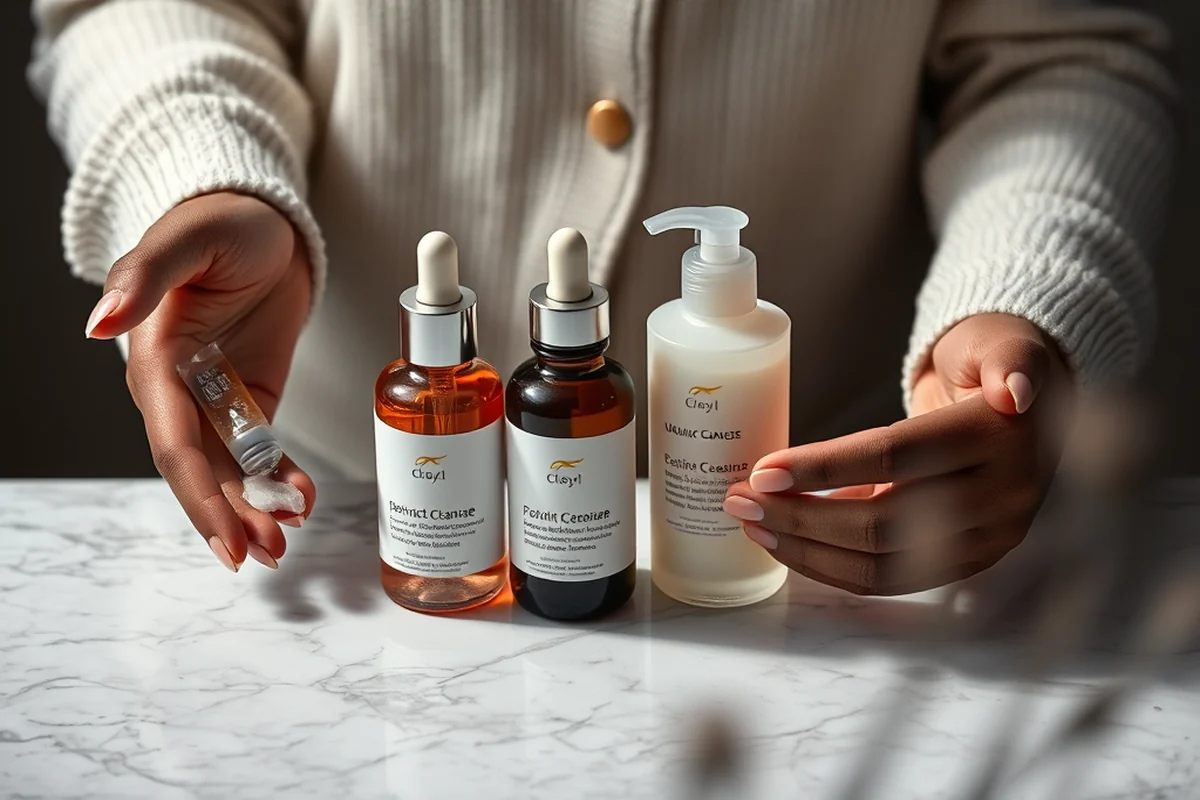
Protective styling has become a cornerstone of my winter hair care routine. I’ve tried various styles, but braids and twists have been the most effective for me. These styles help to keep my hair from being exposed to the elements and reduce the risk of breakage.
One of the key benefits of protective styling in winter is that it keeps my hair tucked away, reducing the amount of friction and environmental damage. I’ve found that using a satin scarf or bonnet at night helps to protect the ends of my hair from dryness and breakage.
I’ve also experimented with different types of protective styles, and I’ve found that styles that are less tight and more flexible tend to be better for my hair. I’ve noticed that my hair feels healthier when I use styles that allow for some movement and airflow.
Managing Frizz and Flyaways
Frizz is a common issue during the winter, especially for those with curly or coily hair. I used to deal with a lot of frizz, but after switching to a leave-in conditioner with a smoothing effect, I noticed a significant improvement in my hair’s manageability.
I apply the leave-in conditioner to my damp hair before styling, which helps to seal the cuticle and reduce frizz. I’ve also found that using a smoothing serum on the ends of my hair helps to keep it from fraying.
I’ve experimented with different types of leave-in conditioners and found that those with a higher oil content work best for me. My favorite one has a light, non-greasy formula that doesn’t weigh my hair down.
Maintaining Hair Hydration
Hydration is the key to keeping my hair healthy during the winter. I’ve found that using a hair oil with high moisturizing properties helps to lock in moisture and prevent dryness. I apply a few drops of the oil to my hair every morning and evening, and the results are noticeable.
I’ve also found that using a humidifier in my bedroom helps to keep the air from getting too dry, which in turn helps my hair retain moisture. I’ve noticed that my hair feels less brittle and more manageable when I use a humidifier.
Maintaining hydration is a daily routine for me now. I’ve incorporated a few simple steps into my routine that have made a big difference in the health of my hair.
Hydration is the secret to surviving winter with healthy hair.
Avoiding Heat Damage in Winter
Heat damage is something I’ve had to be careful about during the winter. I’ve found that using a hair dryer too often can dry out my hair and make it more prone to breakage. To minimize heat damage, I’ve started using a microfiber towel to dry my hair instead of a regular towel.
I’ve also invested in a heat protectant spray that I use before blow-drying my hair. This has helped to reduce the damage caused by heat and has made my hair feel softer and more hydrated.
I’ve noticed that using a lower heat setting on my blow dryer has also helped to reduce the amount of damage to my hair. I’ve found that using a cooler setting and keeping the dryer at a distance from my hair helps to minimize damage.
🧴 Sensitive Skin Routine
A gentle approach with hypoallergenic products and minimal friction to protect both hair and scalp.
💰 Budget-Friendly Routine
Affordable, effective products that deliver hydration and protection without breaking the bank.
🧼 Minimalist Routine
A streamlined routine with only the essentials—perfect for those who prefer simplicity and efficiency.
🎯 Targeted Routine
Customized care for specific hair types, focusing on hydration and protection for curly, coily, or kinky hair.
🔄 Maintenance Routine
A daily and weekly routine for ongoing maintenance, ensuring your hair stays healthy and protected through the winter.
| The mistake | Why it happens | The fix |
|---|---|---|
| Using a regular towel to dry your hair. | Regular towels can cause friction and damage to your hair, leading to breakage and dryness. | Use a microfiber towel instead, which is gentler on the hair and helps to reduce frizz. |
| Not using a heat protectant spray. | Heat damage can be a major concern during the winter, especially with frequent use of hair dryers. | Always use a heat protectant spray before blow-drying your hair to minimize damage. |
| Ignoring the importance of deep conditioning. | Deep conditioning is essential for repairing winter damage and maintaining hydration. | Make sure to deep condition your hair twice a week to restore moisture and strengthen the hair. |
Protecting Natural Hair In Winter
Common Questions
What’s the best way to keep my hair moisturized during the winter?
How often should I deep condition my hair in the winter?
What’s the best way to protect my hair from the cold and wind?
Can I use my regular shampoo in the winter?
References
- Title 902 Chapter 20 Regulation 350 • Kentucky Administrative ... (apps.legislature.ky.gov)
Cite this guide
Natural Hair Tying Techniques (2026). Protecting Natural Hair In Winter. https://knotgrow.com/protecting-natural-hair-in-winter/
Feel free to cite or share this guide.