What Is Natural Hair Colour
📖 Table of Contents
I remember the first time I saw my natural hair color fully revealed after years of chemical treatments — it was like meeting a long-lost part of myself. My hair had always been a dull, mousy brown, but once I stopped bleaching and dyeing it, I began to notice the rich, warm golden tones that had been hidden underneath. That moment was the beginning of my journey into understanding what natural hair color really is, and how it differs from the color we often see in salons and magazines.[1]
Natural hair color is not just a matter of preference; it's a reflection of genetics, biology, and even environment. The color of your hair is determined by the amount and type of melanin in your hair shaft, specifically eumelanin (which gives hair black or brown tones) and pheomelanin (which gives red or yellow tones). These pigments are produced by melanocytes in the hair follicles. Their levels can vary dramatically from person to person, which is why we see such a wide range of natural hair colors — from jet black to platinum blonde, with every shade in between.
When I first started exploring natural hair color, I was surprised by how little I knew about it. I had always assumed that natural hair color was just the color you had before you dyed it, but that’s not the case. Natural hair color is the color your hair is when it's untouched by any chemical treatments. It’s unique to each individual and can even change slightly over time due to factors like sun exposure, stress, or hormonal shifts. This is why I’ve made it my mission to explore what natural hair color truly is — and why it matters more than most people realize.[2]
Why You'll Love This Journey to Understanding Natural Hair Color
- Discover the unique pigments that make up your hair and how they affect your appearance.
- Learn how to maintain your natural hair color without damaging your strands.
- Embrace your authentic self by honoring the color that was given to you at birth.
- Gain insight into how your natural hair color can influence your personal style and self-image.
What Determines Natural Hair Color?
As of August 2026, Hair color is determined by two types of melanin: eumelanin and pheomelanin. Eumelanin is responsible for black and brown tones, while pheomelanin contributes to red and yellow hues. The combination of these two pigments is what gives each person their unique natural hair color.
Genetics play a major role in determining hair color. If both parents have dark hair, their child is more likely to have dark hair as well. However, variations in melanin levels can result in unexpected hair colors, such as a child with red hair being born to parents with dark hair.
Environmental factors can also influence natural hair color. For example, prolonged sun exposure can lighten hair over time, while certain medical conditions or stress can cause temporary changes in hair color.
Use a leave-in conditioner with UV protection to prevent sun damage and maintain your natural hair color.
Part of our Should i guide.
The Spectrum of Natural Hair Color
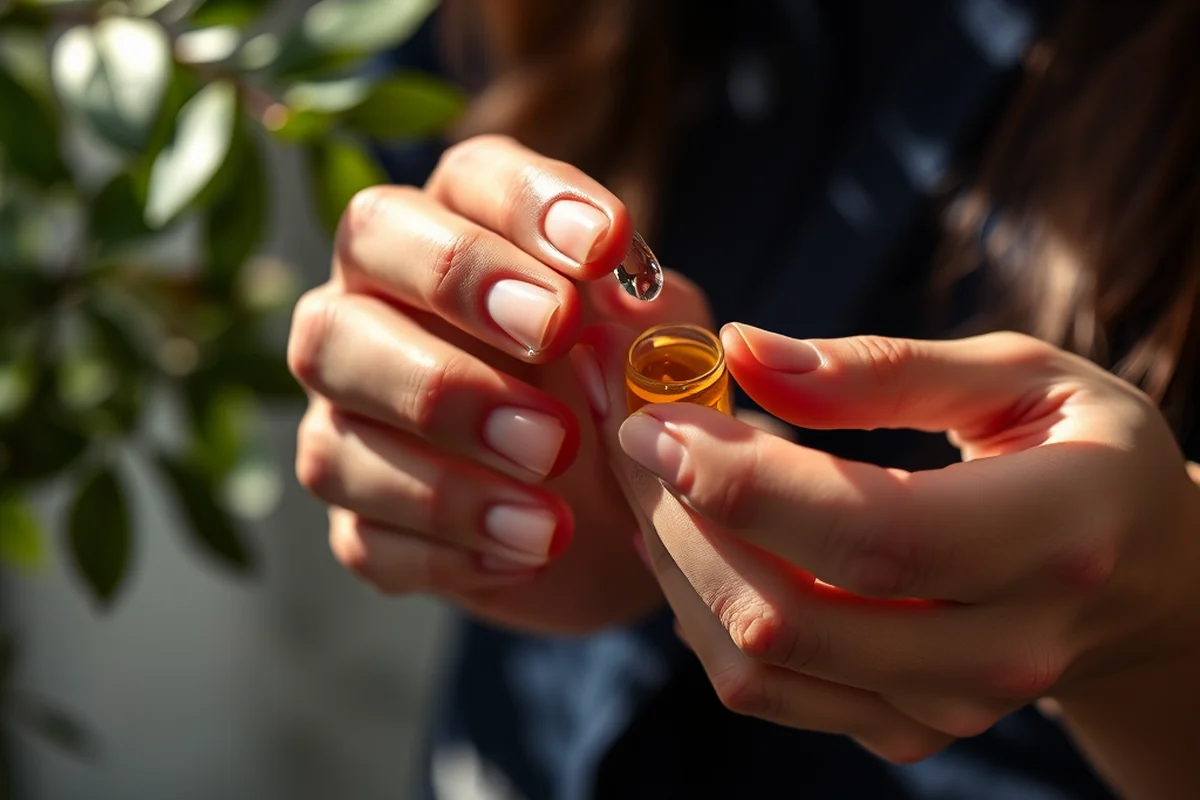
The spectrum of natural hair color is incredibly diverse, with variations that can be seen in different cultures and regions. For example, in East Asia, natural hair color is often black or dark brown, while in regions like the Mediterranean or parts of Europe, it’s more commonly found in shades of auburn or golden blonde.
Hair color can also be influenced by the amount of melanin in the hair shaft. People with high levels of eumelanin tend to have darker hair, while those with more pheomelanin may have lighter or redder tones.
It's important to understand that natural hair color is not just about the base color — it also includes undertones that can be warm, cool, or neutral. These undertones can affect how your hair looks under different lighting conditions and can even influence the way hair color changes over time.
Natural hair color is a tapestry of genetics and biology — never the same, always unique.
Related: Natural hair colour without chemicals
Related: Natural hair in winter
Related: How much to braid natural hair
Related: Natural safe hair color
Related: Curly hair in winter vs summer
How to Identify Your Natural Hair Color
To identify your natural hair color, start by washing your hair thoroughly and avoiding any styling products or dyes. Allow your hair to dry naturally under sunlight, as this can reveal the truest shade of your hair.
It's also helpful to compare your hair to a range of natural hair color swatches or use a color chart to see which shade best matches your hair. This can be especially useful if you're considering going back to your natural color after years of coloring.
Keep in mind that natural hair color can vary slightly depending on the lighting conditions. For example, your hair may look slightly darker in a room with warm lighting and lighter under cool, natural light.
Always check your hair under natural daylight to get an accurate sense of your natural hair color.
“I remember the first time I saw my natural hair color fully revealed after years of chemical treatments — it was like meeting a long-lost…”— Natural Hair Tying Techniques editors
Why Natural Hair Color Matters
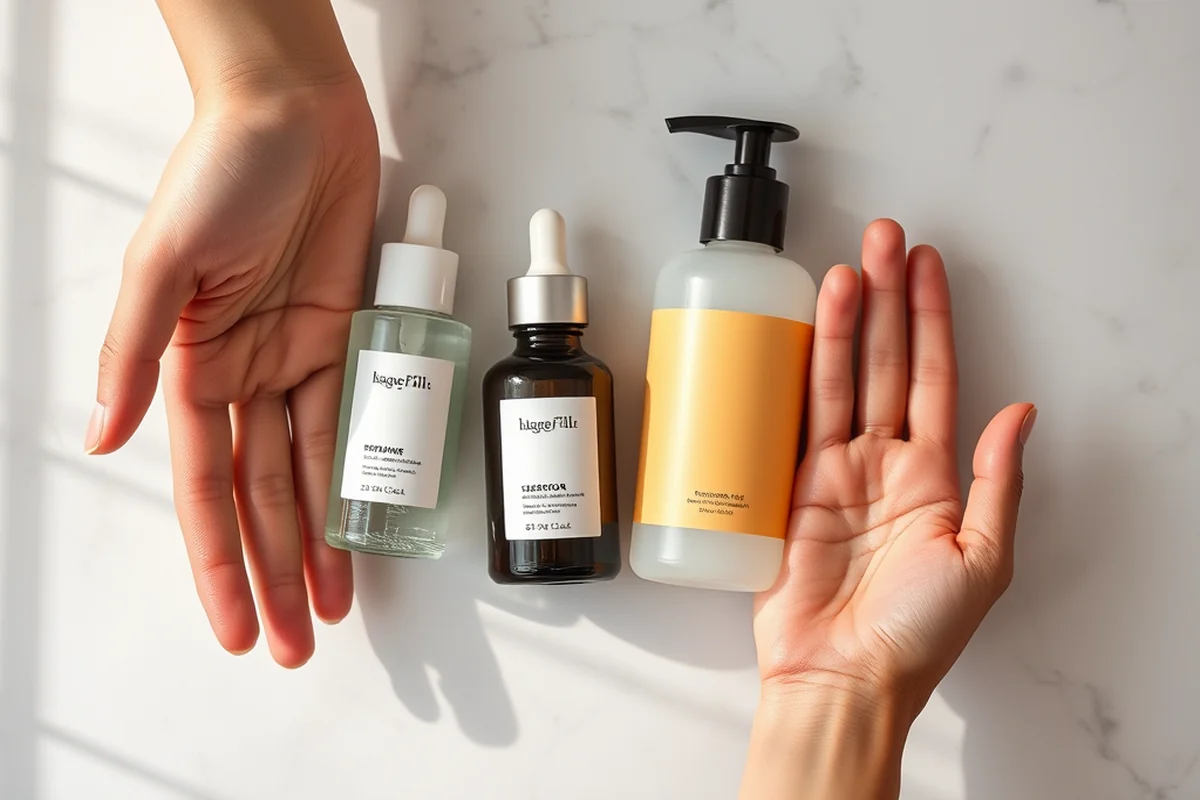
Natural hair color is a part of your identity and can have a significant impact on your self-perception. For many people, embracing their natural hair color can be a powerful act of self-acceptance and confidence.
It's also important to recognize that natural hair color can be influenced by factors like age, health, and environment. For example, some people may experience a change in hair color as they get older, or due to medical conditions that affect melanin production.
By understanding your natural hair color, you can make more informed decisions about how to care for your hair, what styles may suit you best, and how to enhance your natural features.
The Benefits of Embracing Your Natural Hair Color
Embracing your natural hair color can lead to a healthier hair routine, as it reduces the need for harsh chemical treatments that can damage your hair over time. This can result in stronger, more resilient hair that is less prone to breakage.
Confidence is another major benefit of embracing your natural hair color. Studies have shown that people who feel comfortable in their own skin tend to have higher levels of self-esteem and are more likely to take risks and pursue their goals.
By embracing your natural hair color, you're also making a statement about authenticity. In a world that often promotes conformity, choosing to highlight your unique features can be a powerful act of self-expression.
How to Maintain Your Natural Hair Color
To maintain your natural hair color, it's essential to use sulfate-free shampoos and conditioners that are designed to nourish and protect your hair. These products are less likely to strip your hair of its natural pigments or cause damage over time.
Avoiding heat styling tools and chemical treatments like dyes, bleaches, and perms can also help preserve your natural hair color. If you do use heat tools, be sure to use a heat protectant spray to minimize damage.
Regular trims and deep conditioning treatments can help keep your hair healthy and vibrant, which can enhance the appearance of your natural hair color.
Your natural hair color is a gift — treat it with the care and respect it deserves.
The Role of Diet in Hair Color
A balanced diet rich in vitamins and minerals can contribute to the overall health of your hair. For example, biotin, found in foods like eggs and almonds, is known to support hair growth and strength.
Protein is another essential nutrient for maintaining healthy hair. Foods like lean meats, fish, and legumes provide the building blocks your hair needs to stay strong and vibrant.
Hydration is also important for hair health. Drinking enough water can help keep your hair from becoming dry and brittle, which can help maintain the appearance of your natural hair color.
🧼 Sensitive Skin Routine
A gentle, low-stimulation approach that prioritizes hair health and avoids harsh chemicals.
💰 Budget-Friendly Routine
An affordable way to maintain natural hair color with cost-effective products and minimal salon visits.
🧳 Minimalist Routine
A simplified approach that uses only the most essential products to keep your hair healthy and vibrant.
🎯 Targeted Routine
A focused approach that addresses specific hair concerns, such as dryness or split ends, while maintaining natural color.
🛠️ Maintenance Routine
A regular, ongoing approach that includes trims, deep conditioning, and protective styling to keep natural hair color looking its best.
| The mistake | Why it happens | The fix |
|---|---|---|
| Using harsh chemicals to maintain natural hair color | Harsh chemicals can strip your hair of its natural pigments and cause damage over time, leading to dryness, breakage, and color fading. | Opt for sulfate-free shampoos and avoid bleach or permanent dyes to maintain the health and vibrancy of your natural hair color. |
| Over-washing your hair | Washing your hair too frequently can remove natural oils and lead to dryness, which can make your natural hair color appear dull or faded. | Wash your hair every 2-3 days to keep it healthy and maintain the vibrancy of your natural hair color. |
| Neglecting hair care routines | Neglecting regular hair care can lead to damage, split ends, and a loss of natural color vibrancy. | Implement a regular hair care routine that includes deep conditioning, trims, and protective styling to keep your natural hair color looking its best. |
| Not protecting your hair from the sun | Prolonged sun exposure can cause your natural hair color to fade or change, especially if you have lighter hair. | Use a leave-in conditioner with UV protection to shield your hair from the sun and maintain the vibrancy of your natural color. |
What Is Natural Hair Colour
Common Questions
Can natural hair color change over time?
How can I determine my natural hair color?
What are the benefits of embracing my natural hair color?
Does diet affect natural hair color?
References
- The hair tales of women of color in Northern Manhattan: a qualitative ... (pmc.ncbi.nlm.nih.gov)
- Personal use of permanent hair dyes and cancer risk ... - CDC Stacks (stacks.cdc.gov)
Cite this guide
Natural Hair Tying Techniques (2026). What Is Natural Hair Colour. https://knotgrow.com/what-is-natural-hair-colour/
Feel free to cite or share this guide.