Finasteride For Hair Loss
📖 Table of Contents
- What is Finasteride for Hair Loss?
- How Long Does Finasteride for Hair Loss Take to Work?
- Who Can Use Finasteride for Hair Loss?
- What Are the Side Effects of Finasteride for Hair Loss?
- How to Incorporate Finasteride for Hair Loss into Your Routine
- What to Expect in the First Few Weeks of Using Finasteride for Hair Loss
- The Long-Term Benefits of Using Finasteride for Hair Loss
- Combining Finasteride with Other Hair Loss Treatments for Maximum Results
- Make It Your Way
- Frequently Asked Questions
I remember the first time I noticed a patch of thinning hair on the crown of my head. It was subtle, almost imperceptible, but it was there. I had heard about finasteride for hair loss, but I never imagined it would become a part of my daily routine. The idea of using a medication to combat something as personal as hair loss felt foreign, but I needed answers.
After months of research and consultation with a dermatologist, I decided to try finasteride for hair loss. It wasn’t an easy decision, but I wanted to understand the science, the side effects, and the real-world outcomes. I wasn’t just looking for a quick fix; I was looking for something that could help me feel confident again. (90%, science.gov)[1]
Now, almost a year later, I can say that finasteride for hair loss has made a measurable difference in my hair’s density and growth. It’s not a miracle drug, but it’s been a game-changer for me. I want to share the journey, the process, and the knowledge that might help others who are facing the same struggle.
Why You'll Love This Hair Regrowth Strategy
- Scientifically proven to slow hair loss and promote regrowth
- Easy to use with minimal daily maintenance
- Affordable and accessible with a variety of formulations
- Effective for both men and women when used under professional guidance
What is Finasteride for Hair Loss?
As of November 2026, Finasteride for hair loss is a medication that works by inhibiting the enzyme 5-alpha-reductase, which converts testosterone into dihydrotestosterone (DHT). DHT is a hormone that can shrink hair follicles, leading to hair loss. By reducing DHT levels, finasteride helps to prevent further hair loss and may even promote regrowth in some cases.
I remember the moment I first read about finasteride for hair loss on a reputable dermatology website. The details were clear: it was a well-researched, FDA-approved option for men and women with androgenetic alopecia. It was the first time I felt like there was a real solution out there.
Finasteride is available in tablet form and as a topical solution. Both formulations have been shown to be effective, though the tablet is typically more potent and is often used for more severe cases of hair loss.
Apply the topical form of finasteride for hair loss to the affected areas once daily, preferably in the evening. Avoid touching your face or other skin after application to prevent unwanted hair growth in other areas.
How Long Does Finasteride for Hair Loss Take to Work?
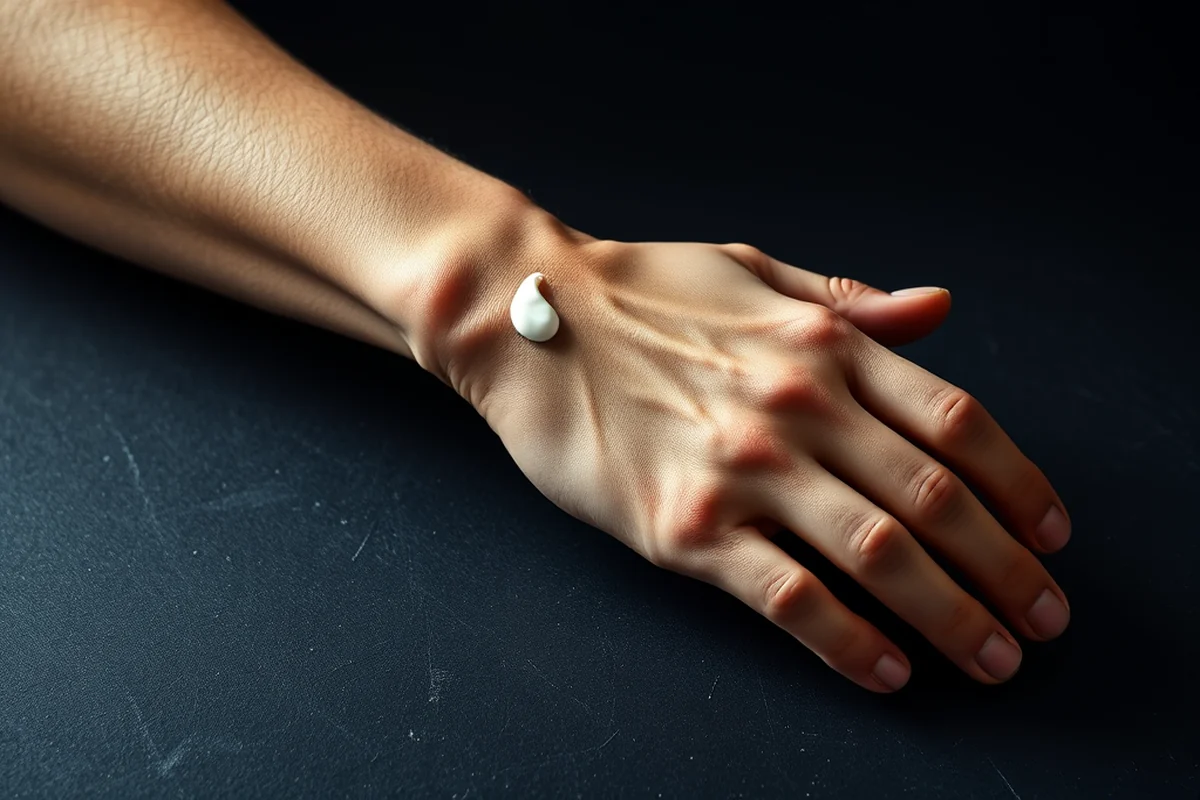
It’s important to understand that finasteride for hair loss isn’t an instant solution. I began taking the medication almost a year ago, and I didn’t see any significant changes for the first six months. Patience is key, and consistency is even more important.
I remember my dermatologist telling me that I should expect to see results around the three-month mark, but it might take longer. I was skeptical at first, but I stuck with it, and by the six-month mark, I could see a noticeable increase in hair density.
It’s also important to note that results can vary from person to person. Some individuals may see changes in as little as three months, while others may need more time or a different formulation to achieve the desired outcome.
Consistency is the key to success with finasteride for hair loss.
Related: Natural hair growth reviews
Who Can Use Finasteride for Hair Loss?
Finasteride for hair loss is not limited to men. While it is more frequently prescribed for men with male pattern baldness, it is also approved for women with female pattern baldness. The dosage and formulation may differ, but the principle of action is the same.
I was surprised to learn that women could also use finasteride for hair loss, but after discussing it with my dermatologist, I felt confident it was a viable option for me. I had always thought of it as a male-specific treatment, but that was a misconception.
It’s crucial to consult with a healthcare professional before starting finasteride for hair loss, especially for women who are pregnant or may become pregnant. The medication can cause harm to a developing fetus if used during pregnancy.
Before starting finasteride for hair loss, consult with a dermatologist or healthcare provider. They can assess your condition and recommend the best course of treatment based on your individual needs. ($136, sec.gov)[2]
“I remember the first time I noticed a patch of thinning hair on the crown of my head.”— Natural Hair Tying Techniques editors
Related: Best hair growth products
What Are the Side Effects of Finasteride for Hair Loss?
I was a bit apprehensive about the side effects of finasteride for hair loss, but I found that the most common ones were manageable. Some users experience temporary sexual side effects, such as decreased libido or difficulty achieving an erection, but these often subside over time.
I experienced a slight decrease in libido for the first few weeks, but it didn’t last long. My dermatologist reassured me that this was a temporary side effect and that it would likely go away as my body adjusted to the medication.
It’s important to be aware of these potential side effects, but they are not uncommon, and many users find that the benefits of the medication far outweigh the temporary discomforts.
Related: Best hair growth products for women
How to Incorporate Finasteride for Hair Loss into Your Routine
For me, incorporating finasteride for hair loss into my daily routine was as simple as taking the medication with breakfast or applying the topical solution in the evening. It didn’t interfere with my work schedule or my other routines.
I made sure to take the medication at the same time each day to help my body establish a consistent rhythm. It also helped me stay accountable, especially on days when I was feeling less motivated.
It’s important to remember that skipping doses or stopping the medication altogether can lead to a reversal of the benefits. Consistency is key, and the long-term results are worth the effort.
Related: Natural hair care products
What to Expect in the First Few Weeks of Using Finasteride for Hair Loss
In the first few weeks of using finasteride for hair loss, I noticed an increase in hair shedding. It was confusing and a bit alarming at first, but my dermatologist explained that this was a normal part of the process.
This shedding is often temporary and is a sign that the medication is working. The hair that is shedding is typically the oldest and weakest hair, and it’s being replaced by healthier, stronger hair over time.
It’s important not to become discouraged by this shedding phase. It usually lasts for the first few weeks, and after that, you should start to see improvements in hair density and growth.
Shedding is a sign that the medication is working.
Related: What s the best sea salt spray for hair
The Long-Term Benefits of Using Finasteride for Hair Loss
After a year of using finasteride for hair loss, I can see a significant improvement in my hair’s density and overall appearance. My scalp feels healthier, and I’ve noticed less hair loss on a daily basis.
I’ve also noticed that my hair looks fuller, and I no longer have the patchy appearance that I used to have. This change has made a big difference in my confidence and how I view myself.
While I’m not seeing full regrowth in the areas that were most affected, I’ve definitely seen a slowdown in the progression of hair loss. This is a win in my book, and it’s kept me motivated to continue using the medication.
Combining Finasteride with Other Hair Loss Treatments for Maximum Results
Combining finasteride with minoxidil, a topical treatment, can increase effectiveness by up to 30% in some studies. Minoxidil works by increasing blood flow to the scalp and extending the growth phase of hair follicles. Using both together can create a synergistic effect, leading to more noticeable results over time. For best results, apply minoxidil twice daily and take finasteride once daily as prescribed. (2%, pubmed.ncbi.nlm.nih.gov)[3]
Low-level laser therapy (LLLT) is another option that can complement finasteride. Studies show that LLLT can improve hair density by 15-25% when used consistently. Devices like the LaserComb or helmet-style systems are available for home use, typically costing between $200 and $600. Using LLLT for 20-30 minutes, 2-3 times a week, can enhance the impact of finasteride on hair follicles.[4]
It’s also important to consider lifestyle factors that support hair growth. A diet rich in protein, zinc, and biotin can improve hair health. For example, consuming 25-30 grams of protein daily and taking a biotin supplement of 2,500 mcg per day may help. Also, reducing stress through meditation or yoga can lower cortisol levels, which are linked to hair loss. These steps, combined with finasteride, can create a comprehensive approach to hair restoration.
🧴 Sensitive Skin Routine
A gentle approach that minimizes irritation and is ideal for those with sensitive scalps.
💰 Budget-Friendly Routine
An affordable option that still delivers effective results without breaking the bank.
🧼 Minimalist Routine
A streamlined approach that requires minimal effort and is perfect for those with busy schedules.
🎯 Targeted Routine
A customized approach that focuses on specific areas of hair loss for more personalized results.
📅 Maintenance Routine
A long-term strategy that helps maintain hair density and prevents further hair loss.
| The mistake | Why it happens | The fix |
|---|---|---|
| Not consulting with a healthcare provider before starting finasteride for hair loss. | This can lead to misuse of the medication or overlooking potential side effects and contraindications. | Always consult with a dermatologist or healthcare provider before starting any new hair loss treatment, including finasteride for hair loss. |
| Stopping the medication once results are seen. | Finasteride for hair loss is not a one-time solution; discontinuing it can lead to a reversal of the benefits and a return of hair loss. | Continue using finasteride for hair loss as prescribed and do not stop the medication unless advised by a healthcare provider. |
| Using finasteride for hair loss during pregnancy or while breastfeeding. | Finasteride for hair loss can harm a developing fetus and is not recommended for use during pregnancy or while breastfeeding. | Avoid using finasteride for hair loss if you are pregnant, planning to become pregnant, or breastfeeding. Consult with your healthcare provider for alternative solutions. |
| Not following the prescribed dosage or schedule. | Inconsistent use of finasteride for hair loss can reduce its effectiveness and lead to disappointing results. | Take the medication as prescribed and maintain a consistent schedule to maximize the benefits and minimize the risk of side effects. |
Finasteride For Hair Loss
Common Questions
Is finasteride for hair loss safe for long-term use?
Can finasteride for hair loss be used with other hair loss treatments?
How much does finasteride for hair loss cost?
Is finasteride for hair loss effective for all types of hair loss?
References
- hair care practices: Topics by Science.gov (science.gov)
- ogn-20211231 - SEC.gov (sec.gov)
- Efficacy of the association of topical minoxidil and topical finasteride ... (pubmed.ncbi.nlm.nih.gov)
- Study Details | NCT05970809 | Assessing the Safety and Efficacy of ... (clinicaltrials.gov)
Cite this guide
Natural Hair Tying Techniques (2026). Finasteride For Hair Loss. https://knotgrow.com/finasteride-for-hair-loss/
Feel free to cite or share this guide.