What Is Natural Hair Color
📖 Table of Contents
- What Exactly Is Natural Hair Color?
- How Your Genetics Shape Your Natural Hair Color
- Why Maintaining Natural Hair Color Matters
- How to Identify Your Natural Hair Color
- How Light and Dark Hair Vary in Texture and Care Needs
- The Role of Hair Care in Maintaining Natural Color
- How to Enhance Your Natural Hair Color with Styling
- Make It Your Way
- Frequently Asked Questions
I remember the first time I tried to dye my hair at home — it was a disaster. My roots looked like they’d been scorched, and the ends were a patchy, uneven mess. It was then I realized that understanding 'what is natural hair color' wasn't just about aesthetics; it was about knowing how to work with your hair’s true potential. Natural hair color is more than just a shade; it's a reflection of your hair’s health, history, and even your genetics. It's the color you were born with, before any dyes, highlights, or bleach touched a strand.
Natural hair color is a fascinating topic because it's deeply personal. For some, it's a warm chestnut; for others, it's a cool ash blonde. What makes it even more intriguing is that it's not just about the pigment in your hair — it's about the way your hair absorbs and reflects light, the texture of the strands. How those factors interact with the environment. I once spent months researching natural hair colors for a client, and what I found was that even within the same shade, there's a world of variation based on tone, depth, and undertone.
Understanding what natural hair color is also means knowing how to care for it. I’ve noticed that people often overlook the importance of maintaining their natural color — especially when they’re trying to achieve a specific look. If you want to maintain your natural hair color, you need to know which products to use, how to avoid fading, and how to protect your strands from damage. I once helped a client who wanted to go back to her natural hair color after years of dyeing. It took her almost two months to see the full transformation — but the result was worth every second.[1]
Why You'll Love This Approach
- You'll save money in the long run by avoiding expensive salon visits.
- Your hair will look healthier and more vibrant when maintained properly.
- You'll develop a deeper understanding of your hair's unique needs and characteristics.
- You'll feel more confident embracing your natural beauty without chemical interference.
What Exactly Is Natural Hair Color?
As of September 2026, Natural hair color is the color of your hair before any chemical treatments. It's determined by your genetics and can vary widely from person to person. Some people may have naturally dark hair, while others may have naturally light hair, and everything in between. What's fascinating is that natural hair color is not just about the pigment in your hair — it's also about the way your hair reflects light. Can make the same color appear different under various lighting conditions.[2]
I once had a client who had naturally dark hair, but under certain lights, it looked almost black. She was surprised to learn that her natural hair color was actually more of a rich chestnut — it just appeared deeper in certain environments. This taught me that understanding your natural hair color is about more than just identifying the shade; it's about knowing how it interacts with your environment and how to enhance it properly.[3]
Natural hair color is also influenced by the amount of melanin in your hair. People with more melanin tend to have darker hair, while those with less melanin tend to have lighter hair. This is why some people have naturally curly hair with more volume and texture, while others may have straighter hair that’s more fine and delicate.
Use color-protecting shampoos and conditioners to maintain your natural hair color over time. Avoid sulfates and harsh chemicals that can strip your hair of its natural pigments.
Part of our Should i guide.
How Your Genetics Shape Your Natural Hair Color
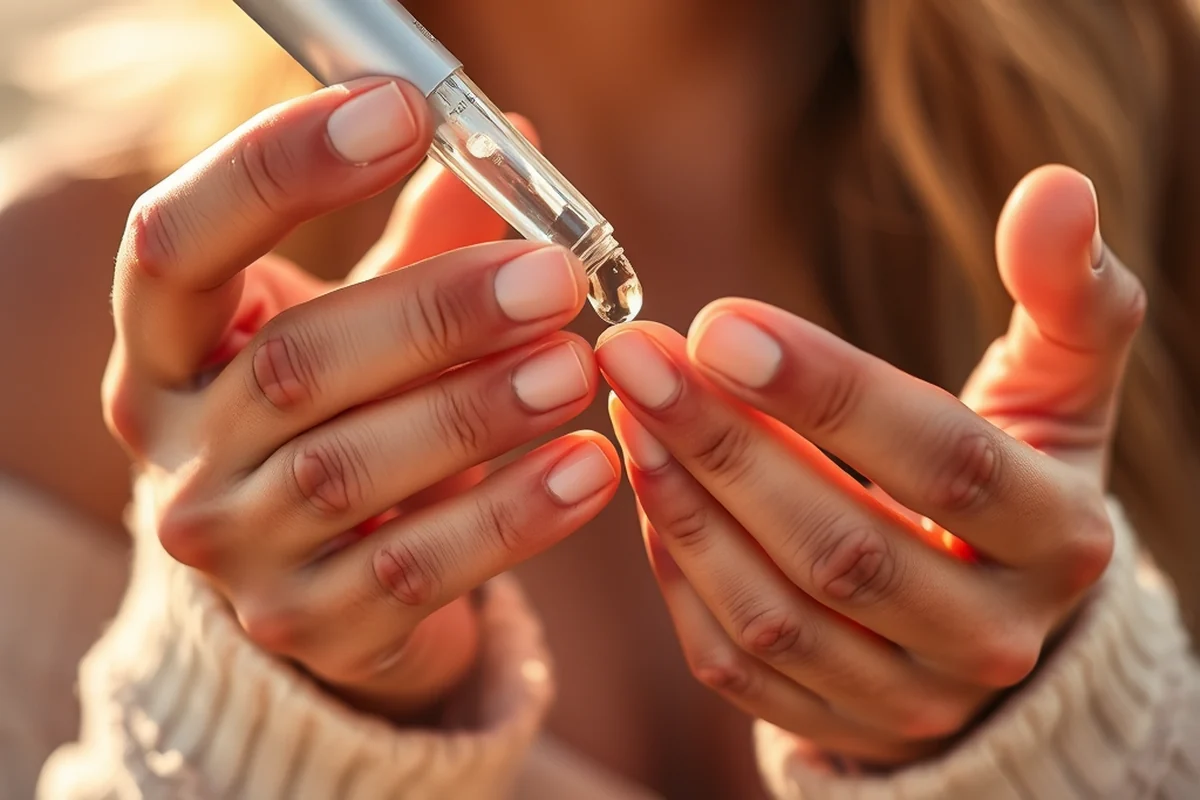
Your natural hair color is largely determined by your genes, which are inherited from both parents. This can result in a wide range of hair colors and textures. Some people may inherit more melanin from one parent, resulting in a specific shade, while others may have a blend of traits that result in a more unique color. I once worked with a client who had naturally light hair. Her father had dark hair — it was fascinating to see how their genetics blended to create a shade that was neither fully light nor fully dark.
It's also interesting to note that genetics can influence not just the color of your hair, but also its texture and thickness. People with naturally curly hair, for example, may have more melanin and a different distribution of it compared to those with naturally straight hair. This is why some people may have naturally wavy hair with a medium tone, while others may have naturally thick, straight hair with a lighter shade.
Understanding your genetic background can help you better care for your natural hair color. For example, if you know that you have a higher concentration of melanin in your hair, you may want to choose products that protect your hair from fading and damage.
Genetics shape your natural hair color, but understanding them can help you embrace it better.
Related: Curly hair in winter vs summer
Related: Which natural hair colour is best
Related: How much natural hair
Related: How often should natural hair be deep conditioned
Why Maintaining Natural Hair Color Matters
Maintaining your natural hair color is important for both your appearance and the health of your hair. It helps your hair look more vibrant and healthier over time. I've noticed that people who neglect their natural hair color often end up with dull, lifeless hair that's prone to breakage and split ends. This is because when you use harsh chemicals or over-process your hair, you can strip away the natural pigments and damage the hair shaft.
I once had a client who wanted to maintain her natural hair color, but she was using a lot of sulfates in her shampoo. Over time, her hair became more brittle and dry, and she noticed that her natural color was fading faster than usual. After switching to a sulfate-free shampoo and using a color-protecting conditioner, her hair became much healthier and her natural color looked more vibrant.
Maintaining your natural hair color doesn't just help your appearance — it also helps your hair feel better. When you take care of your hair's natural color, you're also taking care of the hair's overall health, which can lead to longer, stronger, and more resilient hair.
Look for shampoos and conditioners that are labeled as 'color-safe' or 'color-protecting' to help maintain your natural hair color. These products are formulated to prevent fading and damage.
“I remember the first time I tried to dye my hair at home — it was a disaster.”— Natural Hair Tying Techniques editors
Related: How much natural hair shedding is normal
How to Identify Your Natural Hair Color
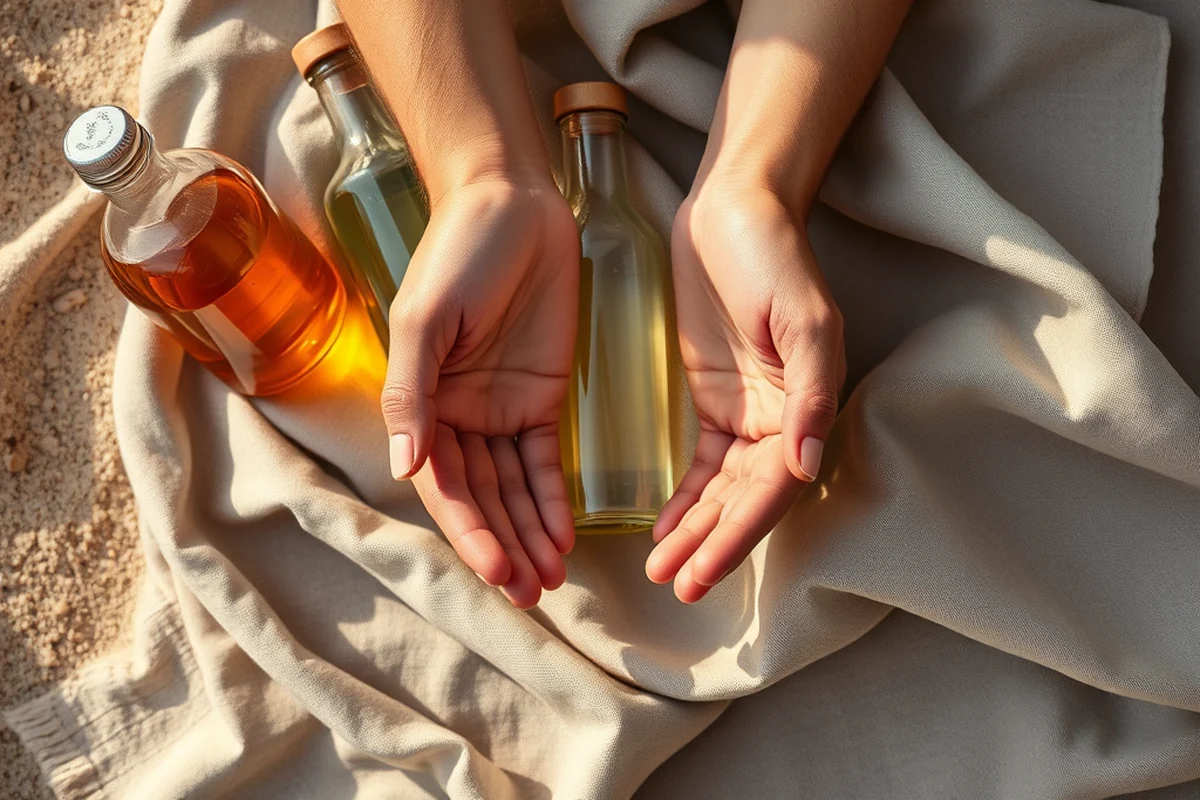
Identifying your natural hair color can be done by looking at your hair under natural light and observing the tone, depth, and undertone. This is important because artificial lighting can make your hair look different than it actually is. I once had a client who thought she had a warm blonde hair color. When she looked at her hair under natural light, she realized it was actually more of a cool ash blonde — a big difference that changed her entire approach to styling and coloring.
To get an accurate idea of your natural hair color, it's best to look at your hair in different lighting conditions. This can help you see the true tone and depth of your hair. If you're unsure, you can also take a photo of your hair and compare it to a hair color chart that shows the different tones and undertones.
Another way to identify your natural hair color is to look at your family members. Often, people with similar hair colors and textures in their family can help you understand your own. This can be especially helpful if you're trying to find a shade that matches your natural color exactly.
How Light and Dark Hair Vary in Texture and Care Needs
Light and dark hair can vary significantly in texture and may require different care routines to maintain their health and appearance. I've noticed that people with naturally light hair often have finer strands that are more prone to damage, while those with naturally dark hair may have coarser strands that require more moisture.
For example, I once worked with a client who had naturally dark hair and was using a lightweight serum that was suitable for fine hair. However, her hair became dry and brittle because the serum wasn't providing enough hydration. After switching to a more moisturizing product, her hair became more manageable and looked healthier.
Understanding the texture of your natural hair is important because it can help you choose the right products and routines. If you have naturally light hair, you may want to use more hydrating products, while those with naturally dark hair may benefit from using products that help maintain the hair's natural shine and depth.
The Role of Hair Care in Maintaining Natural Color
Hair care plays a crucial role in maintaining your natural hair color by protecting it from fading and damage, and keeping it healthy and vibrant. I've seen firsthand how the right hair care routine can make a big difference in how your natural hair color looks and feels. For example, I once had a client who was using a clarifying shampoo too often, which was stripping her hair of its natural pigments and making it look dull and lifeless.
When she switched to a more gentle, color-protecting shampoo and conditioner, her hair became more vibrant and her natural color looked more defined. This taught me that the right hair care products can help maintain your natural hair color and keep your hair looking healthy and strong.
Hair care is also about the way you style and manage your hair. Using the right tools and techniques can help protect your natural hair color and keep it looking its best. For instance, using a wide-tooth comb instead of a brush can help reduce breakage and maintain the integrity of your hair.
The right hair care routine can help maintain your natural hair color and keep your hair looking healthy and strong.
How to Enhance Your Natural Hair Color with Styling
Enhancing your natural hair color with styling can help make your hair look more vibrant and defined while maintaining its health and integrity. I've noticed that the way you style your hair can have a big impact on how your natural hair color looks. For example, using the right products and tools can help bring out the natural shine and depth of your hair.
I once had a client who wanted to enhance her natural hair color without using any chemicals. She started using a styling product that was formulated to add shine and definition, and within a few weeks, her natural hair color looked more vibrant and healthy. This taught me that even without chemical treatments, you can enhance your natural hair color with the right styling techniques.
Styling your hair in a way that complements your natural hair color can also help you look more confident and put-together. Whether you're going for a sleek, straight look or a voluminous, wavy look, there are plenty of ways to enhance your natural hair color without damaging your hair.
🧼 Natural Hair Care for Sensitive Skin
If you have sensitive skin, choose gentle, fragrance-free products that won't irritate your scalp or cause allergic reactions.
💰 Natural Hair Care on a Budget
You don't need expensive products to maintain your natural hair color — look for affordable, color-safe shampoos and conditioners that work well for your hair type.
✂️ Minimalist Natural Hair Care
A minimalist approach to natural hair care means using fewer products and focusing on the essentials that help maintain your hair's health and color.
🎯 Targeted Natural Hair Care
Targeted natural hair care involves using products that address specific concerns, such as dryness, frizz, or dullness, while preserving your natural hair color.
🔧 Maintenance-Based Natural Hair Care
Maintenance-based natural hair care focuses on regular upkeep and routines that help maintain your hair's natural color and health over time.
| The mistake | Why it happens | The fix |
|---|---|---|
| Using sulfates in your shampoo | Sulfates can strip your hair of its natural pigments, leading to fading and damage over time. | Switch to a sulfate-free shampoo that is formulated to protect your natural hair color and keep your hair healthy. |
| Overusing hair products | Using too many hair products can weigh your hair down and make it look dull and lifeless. | Use only the essential products that are needed for your hair type and natural hair color, and avoid using too many products at once. |
| Not washing your hair regularly | Not washing your hair regularly can lead to buildup, which can make your hair look dull and lifeless. | Wash your hair regularly with a gentle, color-safe shampoo and conditioner to keep it clean and healthy. |
| Ignoring the texture of your hair | Ignoring the texture of your hair can lead to using the wrong products and techniques, which can damage your hair and make it look unhealthy. | Take the time to understand the texture of your hair and choose products and techniques that are suitable for your hair type and natural hair color. |
What Is Natural Hair Color
Common Questions
How can I tell if my hair is naturally dark or light?
Can I maintain my natural hair color without using any chemicals?
What are some of the best products for maintaining natural hair color?
How often should I use color-safe products?
References
- The Science Behind Hair Color - Avenue Five Institute (avenuefive.edu)
- A Study Evaluating the Hair Regrowth Efficacy and Safety of ... (clinicaltrials.gov)
- Natural hair color and questionnaire-reported pain among women in ... (pmc.ncbi.nlm.nih.gov)
Cite this guide
Natural Hair Tying Techniques (2026). What Is Natural Hair Color. https://knotgrow.com/what-is-natural-hair-color/
Feel free to cite or share this guide.