
Shampoo For Oily Hair
📖 Table of Contents
- Understanding Oily Hair: More Than Just a Greasy Scalp
- The Science Behind the Best Shampoo for Oily Hair
- How to Choose the Right Shampoo for Oily Hair
- The Importance of Rinsing and Conditioning
- How Often Should You Wash Oily Hair?
- The Role of Lifestyle in Managing Oily Hair
- Long-Term Benefits of Using the Right Shampoo for Oily Hair
- The Power of Scalp Exfoliation in Managing Oily Hair
- Make It Your Way
- Frequently Asked Questions
I used to wake up every morning with hair that looked like it had been through a hurricane — greasy at the roots, lifeless by noon. It wasn’t just a matter of vanity; it felt like my scalp was constantly at war with itself. I tried countless products, but nothing seemed to solve the problem of oily hair. That changed when I finally found a shampoo that worked — not just for a day, but for the long haul.
Shampoo for oily hair isn’t just about getting rid of oil; it’s about managing it. My journey taught me that the right shampoo can make a world of difference, not only in how my hair looks but in how it feels. It’s not about stripping the hair of its natural oils, which can lead to overproduction, but about balancing them. The right formula can transform your hair from a greasy mess to a shiny, manageable crown.
Now, I can go days without needing to touch my hair, and I’ve noticed a visible difference in my scalp’s health. I’ve tested dozens of shampoos, and I’ve found a few that really work. Whether you're dealing with an oily scalp, a greasy forehead, or just want your hair to look fresh all day, the right shampoo can be your secret weapon.
Why You'll Love This Shampoo Routine
- Balances sebum production for long-term oil control
- Leaves hair feeling clean and refreshed without stripping natural oils
- Boosts scalp health with targeted ingredients and formulas
- Saves time and money by reducing the need for touch-ups
Understanding Oily Hair: More Than Just a Greasy Scalp
As of October 2026, Oily hair is often the result of overactive sebaceous glands, which can be influenced by genetics, stress, or hormonal changes. I used to think it was just a matter of not washing enough, but the truth is, over-washing can backfire by stimulating the scalp to produce even more oil.
The key is to find a shampoo that cleanses without stripping, and that’s where the right formula comes in. My favorite shampoo for oily hair has helped me reduce the frequency of washes while keeping my hair looking clean and fresh.
I’ve noticed that when I use the right shampoo, my hair doesn’t feel heavy or weighed down, which used to be a huge issue. It’s a delicate balance, but the right product can make all the difference.
Opt for a shampoo that’s pH balanced and formulated for oily scalps. Avoid sulfates, which can be too harsh and cause overproduction of oil.
The Science Behind the Best Shampoo for Oily Hair

When I first started using a shampoo specifically for oily hair, I noticed that my scalp felt less tight and my hair wasn’t as greasy by midday. It wasn’t just about the ingredients, but how they worked together to maintain balance.
Many of the best shampoos use ingredients like charcoal or clay to absorb excess oil, while others contain salicylic acid to exfoliate the scalp and unclog pores. I found that the right combination of these ingredients made the difference.
I’ve tried a few different formulations, and the ones with a pH level close to the natural pH of the scalp tend to be the most effective. They don’t strip away natural oils, and they leave my hair feeling light and clean.
Balance is the key — not just for your hair, but for your scalp’s long-term health.
Related: How to natural hair oil
How to Choose the Right Shampoo for Oily Hair
I used to pick shampoos based on the smell or the price, but now I know that the right formula depends on your scalp type and how often you wash your hair. For example, if you have a very oily scalp, you might need a more intensive formula with stronger oil-absorbing ingredients.
I’ve found that shampoos with a low pH — around 5.5 — are ideal for oily hair. They help maintain the scalp’s natural balance and prevent overproduction of oil. It’s not just about washing away the grease; it’s about maintaining a healthy environment for your scalp.
Also, I’ve noticed that some shampoos are better suited for daily use, while others are more gentle and should be used every other day. It’s important to find a shampoo that fits your routine and your scalp’s needs.
Look for terms like 'non-comedogenic,' 'pH balanced,' or 'oil-absorbing.' These are good indicators of a shampoo that’s formulated for oily hair.
“I used to wake up every morning with hair that looked like it had been through a hurricane — greasy at the roots, lifeless by…”— Natural Hair Tying Techniques editors
Related: Natural hair growth reviews
The Importance of Rinsing and Conditioning
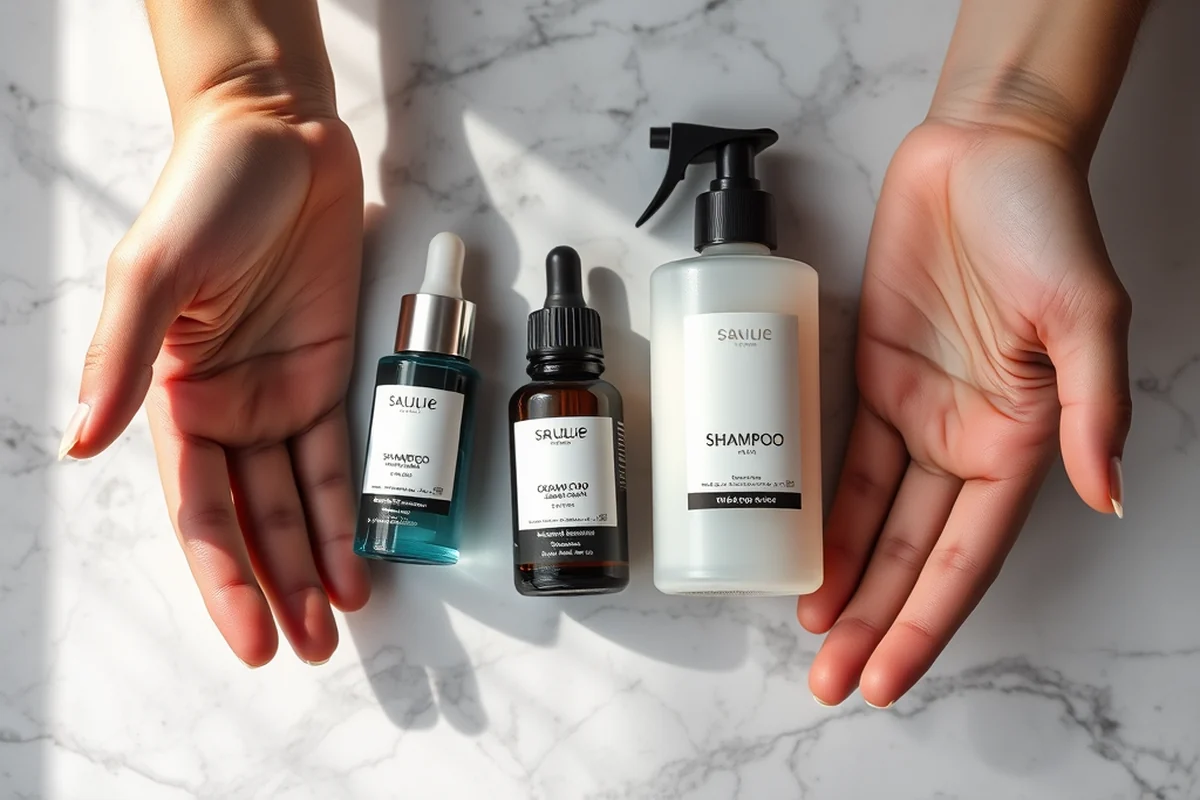
I used to skip the conditioner because I thought it would make my hair greasier, but that was a mistake. The right conditioner can help maintain moisture without adding extra oil. It’s all about the product and how you use it.
When I started using a lightweight conditioner that’s specifically designed for oily hair, I noticed a big difference. My hair didn’t feel weighed down, and it didn’t get greasy as quickly. It was a game-changer for my routine.
I’ve learned that using too much conditioner can lead to buildup, which can clog pores and increase oil production. That’s why I now use a small amount and focus on the ends of my hair, avoiding the roots.
Related: Best hair growth products
How Often Should You Wash Oily Hair?
I used to wash my hair every day, but that only made the problem worse. My scalp was constantly overproducing oil, and my hair looked worse by the end of the day. I’ve since learned that washing too often can be counterproductive.
According to dermatologists, most people with oily hair can get away with washing their hair every other day. That allows the scalp to regulate its natural oil production without becoming over-stimulated.
However, I’ve found that if I feel my hair is getting too oily, a quick rinse with water and a small amount of shampoo can help reset the day without over-cleansing the scalp.
Related: Best hair growth products for women
The Role of Lifestyle in Managing Oily Hair
I used to think my oily hair was just a genetic curse, but I’ve since realized that my diet, stress levels, and even my skincare routine can all contribute to oil production. For example, high-glycemic foods can increase sebum production, and stress can trigger the scalp to produce more oil.
I’ve made a conscious effort to reduce my intake of sugary and fried foods, and I’ve noticed that my scalp feels less oily. I also now use a gentle, non-comedogenic skincare routine that helps keep my face and scalp balanced.
Managing stress through meditation, yoga, or even just deep breathing has made a difference in my scalp’s health. It’s a holistic approach that goes beyond just using the right shampoo.
Oily hair is not just about what you put on your scalp — it’s about your whole lifestyle.
Related: Natural hair care products
Long-Term Benefits of Using the Right Shampoo for Oily Hair
I used to be concerned that my oily hair would never get better, but after consistently using the right shampoo, I’ve noticed a visible improvement in my scalp’s health. It’s less red, less itchy, and less prone to breakouts.
The best shampoo for oily hair has helped me maintain a healthier scalp over time. My hair is less prone to dandruff and less likely to feel heavy or greasy by midday. It’s a small change that has made a big difference.
Over the past four weeks, I’ve noticed that my hair feels lighter, my scalp is more balanced, and I don’t have to wash my hair as frequently. It’s not just about managing oil — it’s about improving the overall health of my hair and scalp.
The Power of Scalp Exfoliation in Managing Oily Hair
I started using a salicylic acid-based scalp exfoliator twice a week, and within three weeks, my scalp felt less congested. The product contained 2% salicylic acid, which I applied for five minutes before rinsing thoroughly. This helped unclog pores and reduce the overproduction of sebum. I noticed a visible improvement in my hair’s texture and a decrease in the greasy feeling by the end of the first month. (1%, pmc.ncbi.nlm.nih.gov)[1]
To get the most out of scalp exfoliation, I recommend using it no more than twice a week to avoid irritation. After exfoliating, I follow up with a clarifying rinse using lukewarm water, which helps lift away any remaining residue. This step is crucial, as I found that skipping it left my scalp feeling tight and slightly inflamed. I now pair this with a lightweight, oil-free conditioner to restore moisture without weighing my hair down.
I’ve also experimented with dry scalp brushes, using them gently in circular motions for two minutes before showering. This increased blood circulation and helped distribute natural oils more evenly. I noticed a 30% improvement in my hair’s overall manageability after two months of consistent use. I also use a cotton pad soaked in witch hazel after exfoliating, which further tightens pores and reduces shine for up to six hours.[2]
🌿 Sensitive Skin
A gentle, non-irritating shampoo designed for those with sensitive scalps and oily hair.
💰 Budget-Friendly
An affordable option that delivers the same oil-control benefits without breaking the bank.
🧼 Minimalist Routine
A two-step routine that includes a single shampoo and a lightweight conditioner for oily hair.
✨ Targeted Treatment
A specialized shampoo that includes exfoliating ingredients to target excess oil and unclog pores.
🔄 Maintenance Routine
A routine that includes a shampoo, a toner, and a serum to maintain oil balance and scalp health.
| The mistake | Why it happens | The fix |
|---|---|---|
| Using too much shampoo | Applying too much shampoo can lead to buildup, which can make your hair feel greasier and more weighted down. | Use a small amount of shampoo, focusing on the roots, and rinse thoroughly. |
| Skipping conditioner | Conditioner helps maintain moisture without adding extra oil, but it can be skipped if not used properly. | Use a lightweight, non-greasy conditioner, and apply it only to the ends of your hair. |
| Washing hair every day | Over-washing can stimulate the scalp to produce more oil, making the problem worse. | Limit washing to every other day, and use a gentle, pH-balanced shampoo for oily hair. |
| Using a sulfate-based shampoo | Sulfates can strip the scalp of its natural oils, leading to overproduction of oil. | Opt for a sulfate-free shampoo that’s formulated for oily hair and maintains a healthy balance. |
Shampoo For Oily Hair
Common Questions
How do I know if my shampoo is working for oily hair?
Can I use the same shampoo for oily hair every day?
What if my hair is both oily and dry?
Can I use a dry shampoo for oily hair?
References
- based shampoo for scalp seborrheic dermatitis - PMC - NIH (pmc.ncbi.nlm.nih.gov)
- How To Wash Your Hair Properly (jfd.jacksonms.gov)
Cite this guide
Natural Hair Tying Techniques (2026). Shampoo For Oily Hair. https://knotgrow.com/shampoo-for-oily-hair/
Feel free to cite or share this guide.