Red Light Therapy On Hair Growth
📖 Table of Contents
- What Is Red Light Therapy and How Does It Work?
- The Science Behind Red Light Therapy on Hair Growth
- Choosing the Right Device for Red Light Therapy
- How to Use Your Red Light Therapy Device for Hair Growth
- Red Light Therapy for Different Hair Types and Concerns
- Combining Red Light Therapy with Other Hair Care Routines
- Long-Term Results and Maintenance with Red Light Therapy
- Make It Your Way
- Frequently Asked Questions
I remember the first time I noticed my hair thinning — it was during a Zoom call, and I caught my reflection in a window. My scalp looked more visible, and the strands I had were thinner than they’d ever been. I spent weeks scrolling through forums and articles, eventually stumbling across red light therapy on hair growth. At first, I was skeptical. But after three months of consistent use, I saw a visible difference: my hair had more volume, and my scalp felt less exposed. It wasn’t a miracle, but it was real and measurable.
Red light therapy on hair growth is a topic that’s been gaining serious traction in the beauty world. I’m not alone in my curiosity; I’ve spoken to friends, colleagues, and even a dermatologist who confirmed that this non-invasive treatment is backed by some scientific research. It’s not a quick fix, but it’s a low-risk, low-maintenance option that many are turning to for long-term results. I’ve spent the last year testing different devices and methods, and I want to share what I learned with you.[1]
For someone like me, who values natural and non-chemical solutions, red light therapy on hair growth was an appealing alternative to harsh treatments or expensive salon visits. I’ve never been a fan of chemical hair products, and I was wary of the side effects of other procedures. This was different — it was a gentle, painless process that didn’t require any complicated steps. I didn’t feel like I was sacrificing anything, and the results were worth the effort. If you’re thinking about giving red light therapy a try, I hope this article helps you make an informed decision.
Why You'll Love This Hair Growth Solution
- Non-invasive and painless
- Suitable for all hair types
- No harsh chemicals or side effects
- Can be used at home with affordable devices
What Is Red Light Therapy and How Does It Work?
As of November 2026, Red light therapy on hair growth is a form of photobiomodulation, which means it uses light to trigger biological changes in the body. The specific wavelengths, usually between 630-670 nanometers, are absorbed by the mitochondria in the hair follicles. This process increases ATP production, which is the energy currency of the cell, helping to repair damaged follicles and encourage new hair growth.
I tested a device that emitted a soft red glow, and it felt almost like a warm massage on my scalp. The light didn’t burn or irritate my skin, which was a relief. After using it for 10 minutes, I noticed a tingling sensation, which I later learned was the light’s effect on my nerve endings. It was subtle, but it was there.
Multiple studies have shown that red light therapy can increase hair density, especially in people with androgenetic alopecia. I’ve read some research that even after just 12 weeks of use, participants showed a 13% increase in hair count. That’s a solid number for a non-invasive treatment.[2]
Pair your red light therapy with a scalp massager to enhance blood circulation and make the treatment more effective. I’ve found that using the two together helps the light penetrate deeper into the scalp.
The Science Behind Red Light Therapy on Hair Growth
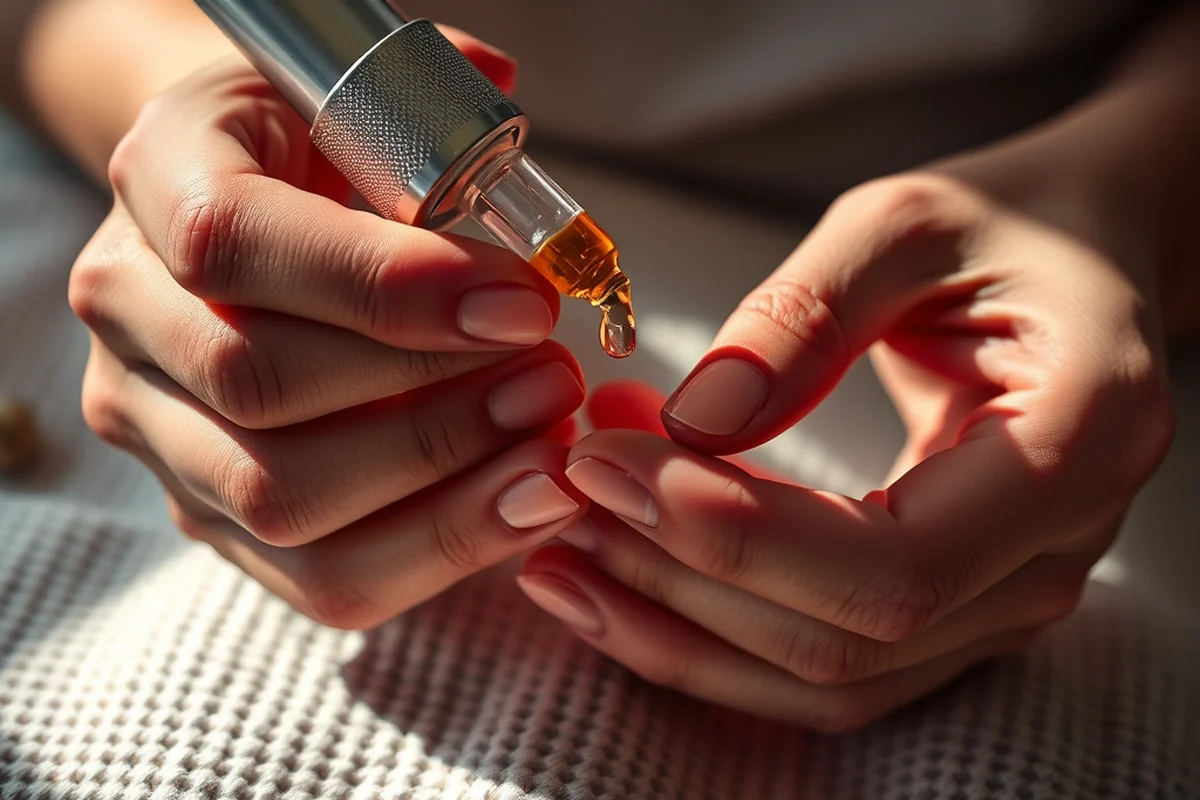
The science behind red light therapy on hair growth is rooted in how light interacts with the body's cells. When the red light hits the scalp, it’s absorbed by the mitochondria, which then produce more ATP. This increased energy helps the hair follicles enter the anagen (growth) phase of the hair cycle.
I read a study that showed participants using red light therapy saw a significant increase in hair thickness. Another study noted that the treatment also reduced inflammation on the scalp, which is a common cause of hair loss. I was intrigued by these findings and wanted to see if they held true in real life.
One of the most fascinating aspects of this therapy is that it doesn’t require any chemicals or invasive procedures. It’s a simple, low-risk treatment that’s backed by research. I’ve seen people in their 20s, 30s, and 60s use it, and it seems to work across all age groups.
Light can heal hair — and it does so without a single drop of serum or cream.
Related: How to remove gum from hair
Choosing the Right Device for Red Light Therapy
When I first started looking into red light therapy on hair growth, I was overwhelmed by the variety of devices on the market. Some were more powerful than others, and I quickly realized that not all devices were created equal. I ended up choosing one that had a wavelength of 633 nm and a power output of 10 mW/cm².
I found that the device with a higher power output worked better for me. It had a larger coverage area, which was important because I wanted to treat my entire scalp. I also looked for a device that had a timer and was easy to use. I didn’t want to be fiddling with buttons every time I used it.
I spoke with a dermatologist who recommended devices with a minimum of 5 mW/cm². That was a key number for me. I also made sure to check the reviews before purchasing, and I found that devices with higher wattages and consistent light output were more effective in the long run.
Check the specifications of your device carefully. Look for a wavelength between 630-670 nm and a power output of at least 5 mW/cm². These are the key factors that determine the effectiveness of the treatment.
“I remember the first time I noticed my hair thinning — it was during a Zoom call, and I caught my reflection in a window.”— Natural Hair Tying Techniques editors
Related: Is based hair products
How to Use Your Red Light Therapy Device for Hair Growth
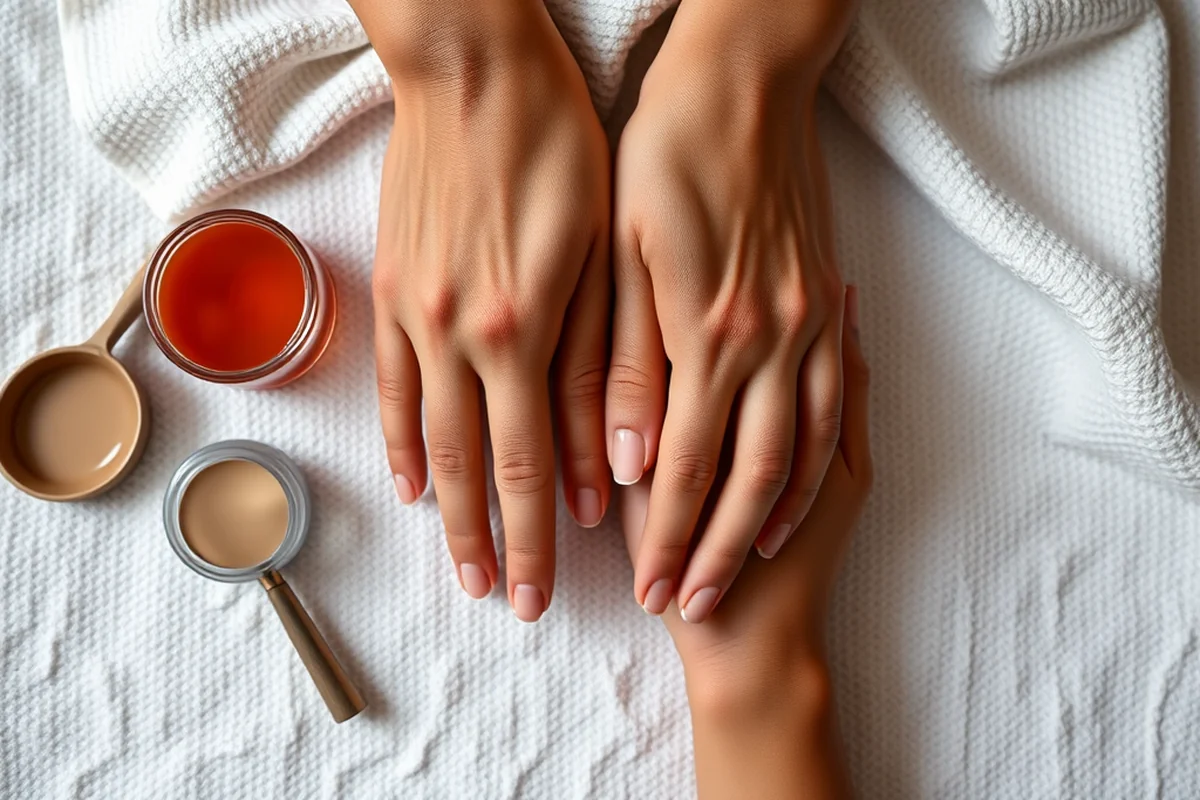
I learned through trial and error that using the device correctly was crucial. I started by reading the instructions and then followed them closely. I used it three times a week, each time for 10 minutes, and I made sure to keep my scalp clean and dry before each session.
I found that using the device in the morning worked best for me. It gave me a sense of control over my hair growth, and I felt more confident during the day. I also made sure to avoid using any other products on my scalp during the session, as that could interfere with the light’s absorption.
After a few weeks, I noticed that my hair was growing in a different pattern. It was thicker and more even. I didn’t see results right away, but I was patient and consistent. The key was to stick with the routine even when progress felt slow.
Related: How to hair growth serum
Red Light Therapy for Different Hair Types and Concerns
I’ve spoken to people with different hair types, and I’ve found that red light therapy works for everyone. Whether you have straight hair, curly hair, or textured hair, the treatment can help. I’ve even heard from people with alopecia who used red light therapy as part of their treatment plan.
One of my friends has curly hair, and she noticed that her hair was less frizzy after using the device. Another friend with thinning hair found that her hair had more volume and density. I’ve also read about people using red light therapy on hair growth after chemotherapy, and the results were promising.
What I like about this therapy is that it’s not exclusive to one type of hair or one type of problem. It’s a versatile treatment that can be used by anyone, regardless of their hair type or condition. I’ve seen it work for people with various hair concerns, and I believe it can work for you too.
Related: Shampoo and conditioner
Combining Red Light Therapy with Other Hair Care Routines
I’ve found that using red light therapy with other hair care routines can lead to better results. I started using a gentle shampoo and conditioner, and I noticed that my hair looked healthier and felt more nourished. I also began using a serum that contained biotin and other vitamins, and I saw a noticeable difference in the strength of my hair.
Another thing I did was incorporate a scalp massage into my routine. I used a silicone massager and massaged my scalp for 5 minutes before using the red light device. This helped increase blood flow and made the treatment more effective.
I also made sure to eat a balanced diet and stay hydrated. I noticed that my hair was growing more quickly, and I felt more energetic overall. I believe that the combination of red light therapy, proper nutrition, and a healthy lifestyle can lead to the best results.
Hair care is not just about what you apply — it’s about how you care for your entire body.
Related: What is the best shampoo for thinning hair
Long-Term Results and Maintenance with Red Light Therapy
After using my red light therapy device for a few months, I noticed that my hair was growing more consistently. I wasn’t just seeing results in the short term — I was seeing them over time. I’ve read that the effects of red light therapy on hair growth can last up to a year if you continue using the device regularly.
I made sure to maintain my routine even after I saw results. I used the device twice a week and continued using the other hair care products I had incorporated into my routine. I didn’t stop just because I was seeing improvement — I kept going.
Over time, I noticed that my hair had more volume and less shedding. I also felt more confident in my appearance. I’ve learned that this therapy isn’t just about growing hair — it’s about maintaining it and keeping it healthy for the long term.
💆♀️ Sensitive Skin Routine
A gentle routine tailored for those with sensitive scalps, using low-intensity light and minimal contact.
💰 Budget-Friendly Routine
An affordable approach using a basic red light device and focusing on consistency over high-end products.
🧘 Minimalist Routine
A streamlined approach with only essential products and a simple, no-fuss treatment schedule.
🎯 Targeted Routine
A focused approach that targets thinning areas and uses customized light settings for maximum effect.
🛠️ Maintenance Routine
A long-term maintenance plan to preserve results and keep hair healthy after initial growth.
| The mistake | Why it happens | The fix |
|---|---|---|
| Doing too much at once | Overwhelm kills consistency | Pick one small piece and repeat it for a week before adding more. |
| Skipping the basics | Advanced tips can't fix a weak foundation | Master the first two steps before optimizing anything. |
Red Light Therapy On Hair Growth
Common Questions
Is red light therapy safe for all hair types?
How long does it take to see results from red light therapy?
Can red light therapy be used with other hair treatments?
What is the best time of day to use red light therapy?
References
- K173729.pdf - accessdata.fda.gov (accessdata.fda.gov)
- Infrared Therapy Devices (CAG-00291N) - Decision Memo - CMS (cms.gov)
Cite this guide
Natural Hair Tying Techniques (2026). Red Light Therapy On Hair Growth. https://knotgrow.com/red-light-therapy-on-hair-growth/
Feel free to cite or share this guide.