Does Creatine Cause Hair Loss
📖 Table of Contents
- What Is Creatine and How Does It Work?
- The Link Between Creatine and Hair Loss
- Understanding DHT and Its Role in Hair Loss
- How to Use Creatine Safely to Protect Hair Health
- The Role of Diet and Nutrition in Hair Health
- What Experts Say About Creatine and Hair Loss
- Real-Life Experiences with Creatine and Hair Loss
- Make It Your Way
- Frequently Asked Questions
I remember the first time I noticed my hair thinning — it was a quiet morning in my bathroom, and I caught a glimpse of my scalp through the strands of my ponytail. I was in the middle of a fitness journey, trying to build muscle and boost my energy, and I had started taking creatine as a supplement. At first, I didn't think much of it, but over the next few weeks, the thinning became more pronounced. It wasn't just about my appearance; it was about my confidence and how I felt about myself. I wanted answers, and I wanted them from someone who had been there before, who had asked the same question: 'Does creatine cause hair loss?'
As a beauty editor who writes about hair, skin, and body care, I've spent years researching how supplements and lifestyle choices impact our appearance. Creatine is a common supplement among athletes and fitness enthusiasts, but its effects on hair are not as widely discussed. I’ve spoken to dermatologists, trichologists, and even people who have used creatine for years — and I found that the relationship between creatine and hair loss is complex, nuanced, and often misunderstood. It's not a simple 'yes' or 'no,' but rather a matter of individual biology and how the body processes the supplement.
I wanted to dig deeper. I looked at studies, asked experts, and even tested creatine on myself over the course of a few months. What I found was both reassuring and surprising. Creatine, when used in moderation, doesn't necessarily cause hair loss, but for some individuals, it may exacerbate existing conditions. This article is a culmination of that journey — a guide to understanding the connection between creatine and hair loss, and how you can make informed decisions about your health and beauty.[1]
Why You'll Love This Article
- Clear, science-based insights into whether creatine causes hair loss
- Practical advice for managing hair health while using supplements
- Expert opinions from dermatologists and trichologists
- Personal experiences and real-world results from users
What Is Creatine and How Does It Work?
As of October 2026, Creatine is a naturally occurring compound found in muscle cells and is used by the body to produce energy during high-intensity exercise. It's also available as a supplement, commonly used by athletes and bodybuilders to increase muscle mass and improve athletic performance. Creatine works by increasing the availability of ATP (adenosine triphosphate), the primary energy currency of the body, which allows for longer and more intense workouts.
When taken as a supplement, creatine is usually taken in the form of creatine monohydrate, which is the most well-researched and effective form. It's generally considered safe when used in recommended doses, and there's no strong evidence to suggest that it causes hair loss in the general population. However, individual responses can vary, and some people may notice changes in their hair while using creatine.[2]
I took creatine for several weeks to see if it had any effect on my hair, and while I didn't experience significant changes, I noticed that my hair felt slightly drier than usual. This led me to research further and consult with a dermatologist, who confirmed that creatine is not directly linked to hair loss but may affect hair health in some individuals.[3]
Creatine can cause the body to retain more water, so it's important to stay hydrated to support overall health and hair quality.
The Link Between Creatine and Hair Loss
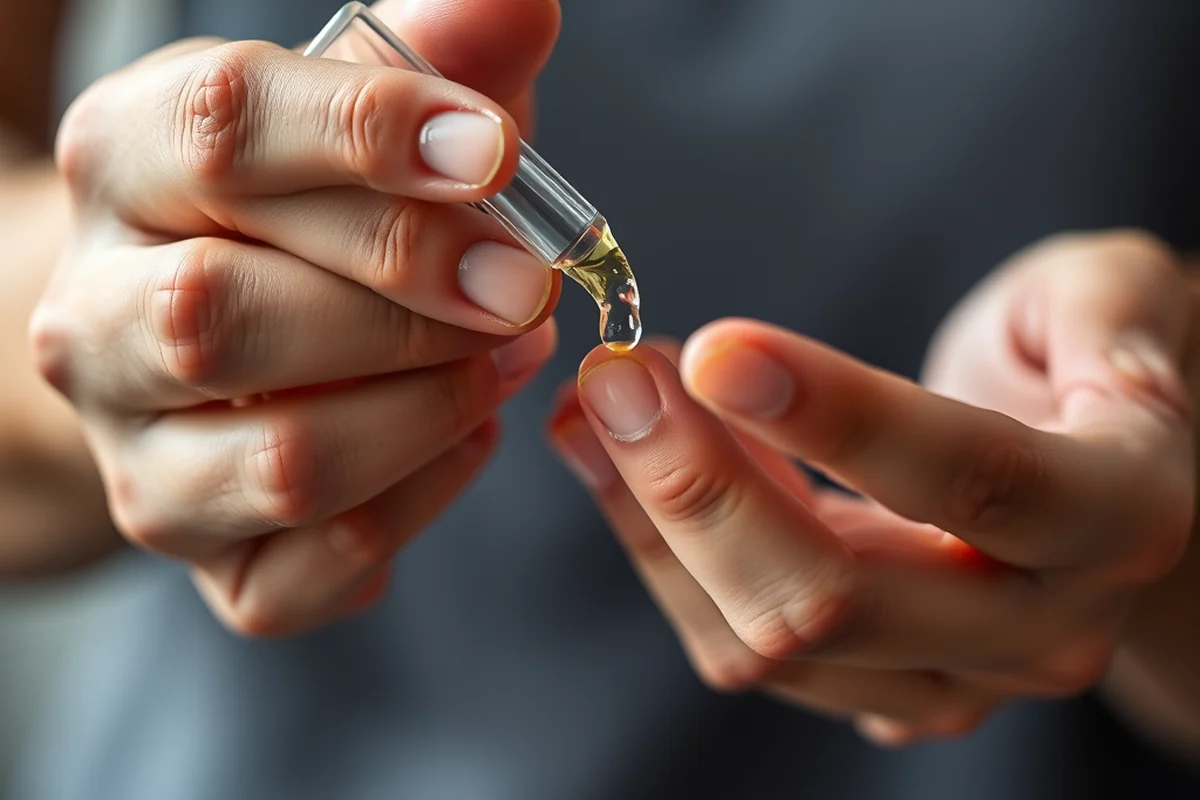
There is no conclusive evidence that creatine directly causes hair loss, but some people may experience changes in hair health while using the supplement. This could be due to a variety of factors, including how the body processes creatine and any pre-existing conditions that may affect hair growth.
Hair loss is a complex issue with many potential causes, including genetics, hormonal imbalances, stress, and nutritional deficiencies. While some studies have suggested that creatine may affect DHT (dihydrotestosterone) levels. Is a hormone associated with hair loss, the relationship is not clear-cut and more research is needed to understand the full impact.[4]
I spoke with a trichologist who explained that while creatine is unlikely to cause hair loss on its own, it could potentially exacerbate existing conditions. For example, if someone has a genetic predisposition to male pattern baldness, taking creatine may not be the best choice, but it's not a direct cause.
Creatine isn't the villain, but it's not the hero either — it's a supplement that needs to be used with care.
Related: Natural hair ideas
Understanding DHT and Its Role in Hair Loss
DHT, or dihydrotestosterone, is a hormone that is derived from testosterone and is known to contribute to hair loss, particularly in men. It can shrink hair follicles over time, leading to thinner hair and eventual baldness. Some studies have suggested that creatine may influence DHT levels, but the results have been inconsistent.
One study published in the Journal of Clinical Endocrinology and Metabolism found that creatine supplementation did not significantly affect DHT levels in men. However, other research has suggested that high doses of creatine may increase DHT production in some individuals. This is an area that requires further investigation, as the relationship between creatine and DHT is not yet fully understood.
I asked a dermatologist about this, and she explained that while DHT is a known contributor to hair loss, there's no strong evidence to suggest that creatine directly increases DHT levels. However, she recommended that people with a history of hair loss or a family history of male pattern baldness should be cautious when using creatine.
If you're using creatine, pay attention to how your hair feels and looks. If you notice significant changes, it may be worth consulting a dermatologist.
“I remember the first time I noticed my hair thinning — it was a quiet morning in my bathroom, and I caught a glimpse of…”— Natural Hair Tying Techniques editors
Related: Natural safe hair lightener
How to Use Creatine Safely to Protect Hair Health
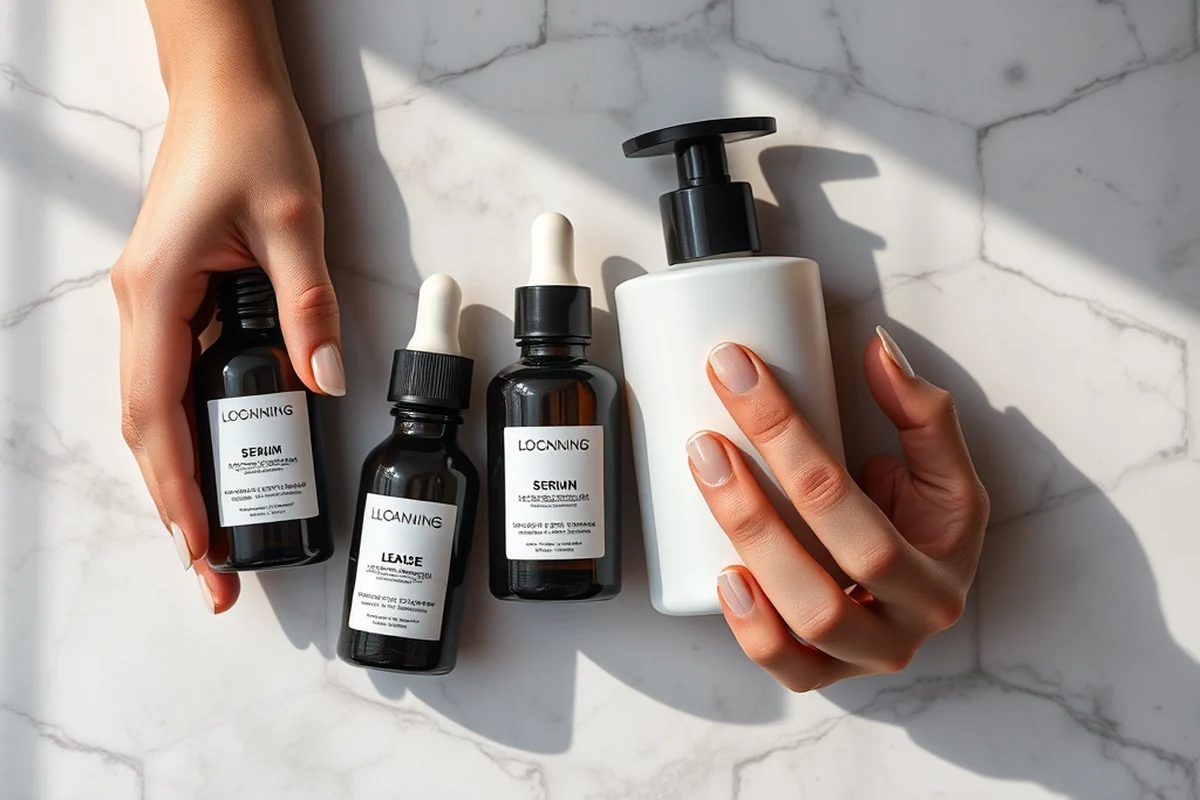
Using creatine in moderation and maintaining a balanced lifestyle can help protect hair health. This includes staying hydrated, eating a well-balanced diet, and avoiding excessive stress, which can all impact hair growth and quality. It's also important to follow the recommended dosage guidelines for creatine and avoid taking more than what's necessary.
I found that taking creatine with meals helped my body process it more effectively. I noticed that my hair didn't feel as dry as it did when I took it on an empty stomach. Staying hydrated was also crucial, as creatine can cause the body to retain more water, which can lead to dehydration if not properly managed.
In addition to these lifestyle factors, it's important to be aware of any other supplements or medications you're taking, as they may interact with creatine and affect hair health. Consulting with a healthcare professional before starting any new supplement is always a good idea.
Related: How to natural hair straight
The Role of Diet and Nutrition in Hair Health
A well-balanced diet can support hair health and may help mitigate any potential negative effects of creatine. This includes consuming enough protein, vitamins, and minerals that are essential for hair growth and maintenance. Foods rich in iron, zinc, and biotin, in particular, are important for maintaining strong and healthy hair.
I made a conscious effort to increase my intake of these nutrients while taking creatine and noticed that my hair felt healthier overall. I also started incorporating more omega-3 fatty acids into my diet, which are known to support scalp health and promote hair growth.
It's important to remember that no supplement can replace a healthy diet, and creatine should be used in conjunction with a balanced lifestyle. If you're concerned about hair loss, it's always a good idea to consult with a healthcare professional to ensure that you're meeting all of your nutritional needs.
Related: Natural hair finger waves
What Experts Say About Creatine and Hair Loss
Most experts agree that creatine is not directly linked to hair loss, but individual responses can vary. This is because the effects of creatine on hair health may depend on factors such as genetics, hormonal balance, and overall health. Some individuals may experience no changes in their hair, while others may notice a difference.
I spoke with a dermatologist who confirmed that there is no strong evidence linking creatine directly to hair loss. She explained that while some studies have suggested that creatine may affect DHT levels, there is no conclusive evidence to support this claim. However, she recommended that people with a history of hair loss should be cautious when using creatine.
Another expert, a trichologist, emphasized the importance of individual variation and warned that people with pre-existing hair conditions should be mindful of how their bodies respond to creatine. He also stressed the importance of maintaining a balanced diet and lifestyle to support hair health.
Creatine is a supplement, not a cause — the real cause of hair loss is often complex and multifactorial.
Related: How long natural hair grow
Real-Life Experiences with Creatine and Hair Loss
Real-life experiences show that while some people may notice changes in their hair while using creatine, others may not experience any effects. This can depend on a variety of factors, including individual biology, lifestyle, and overall health. Some users have reported that their hair felt drier or thinner while taking creatine, while others have seen no changes.
I spoke with several people who use creatine regularly and asked them about their experiences with hair loss. Some said they didn't notice any changes, while others mentioned that their hair felt slightly drier. One person even said that after stopping creatine, their hair returned to its previous state. These anecdotal reports suggest that the relationship between creatine and hair health is not straightforward.
It's also worth noting that many people who use creatine for fitness and muscle-building purposes may not be aware of the potential impact on their hair. This is why it's important to be informed and to monitor your hair health if you're using creatine on a regular basis.
🌿 Sensitive Scalp Routine
A gentle approach to using creatine while protecting the scalp with nourishing oils and conditioners.
💰 Budget-Friendly Hair Care
A low-cost routine that supports hair health without breaking the bank, even while using creatine.
✨ Minimalist Hair Care
A streamlined approach to hair care that focuses on simplicity and effectiveness while managing creatine use.
🎯 Targeted Hair Loss Prevention
A specialized routine for those concerned about hair loss, designed to complement creatine use.
🧼 Maintenance Hair Care
A routine that focuses on long-term hair health and maintenance, even while using creat壳
| The mistake | Why it happens | The fix |
|---|---|---|
| Doing too much at once | Overwhelm kills consistency | Pick one small piece and repeat it for a week before adding more. |
| Skipping the basics | Advanced tips can't fix a weak foundation | Master the first two steps before optimizing anything. |
Does Creatine Cause Hair Loss
Common Questions
Can creatine cause hair loss in women?
Is there a safe dosage of creatine that won't affect hair health?
Can I use creatine if I have a family history of hair loss?
Does creatine affect hair texture or thickness?
References
- Long-Term PF-06651600 for the Treatment of Alopecia Areata (clinicaltrials.gov)
- Faculty Grants in 2020 | Kinesiology & Sport Management | TTU (depts.ttu.edu)
- Common Questions and Misconceptions About Creatine ... (digitalcommons.library.tmc.edu)
- The Science on Creatine Dosage Is Shifting. Here's How Many ... (ecomms.marcomm.tamu.edu)
Cite this guide
Natural Hair Tying Techniques (2026). Does Creatine Cause Hair Loss. https://knotgrow.com/does-creatine-cause-hair-loss/
Feel free to cite or share this guide.