What Is Hair Toner
📖 Table of Contents
- What Exactly Is Hair Toner?
- The Science Behind Hair Toner
- Why Hair Toner Is Essential for Color Maintenance
- The Difference Between Hair Toner and Haircolor
- How to Apply Hair Toner Correctly
- The Benefits of Using Hair Toner
- When to Use Hair Toner
- How Hair Toner Impacts Hair Health and Longevity
- Make It Your Way
- Frequently Asked Questions
I remember the first time I walked into a salon and saw the array of colored bottles labeled with words like 'toner,' 'developer,' and 'base.' I didn’t know what they were for. I knew they were important. I didn’t understand what hair toner was, and I didn’t know how it could change the look and health of my hair. What is hair toner? This question has haunted me for years, and today, after years of experimenting and consulting with professionals, I feel confident enough to explain it to you.
Hair toner is not just a random product on the shelf. It's a specialized formula designed to correct, enhance, and maintain the integrity of hair color. I used to think of it as an afterthought, something you applied quickly before you left the salon. But now I know better. It's a crucial step in the coloring process that can make or break the final result. What is hair toner? It's a key ingredient in transforming your hair from dull to radiant.
My journey with hair toner began when I decided to go for a bold, vibrant color. I had never used toner before, and the result was less than ideal. My hair looked uneven, and the color didn’t last. That’s when I realized the importance of understanding what is hair toner and how it works. Since then, I’ve learned to approach toning with precision and care, making it an essential part of my haircare routine.
Why You'll Love This Hair Toning Experience
- Enhances color vibrancy and longevity
- Balances hair tone and minimizes brassiness
- Adds shine and smoothness to your hair
- Helps maintain healthy hair color over time
What Exactly Is Hair Toner?
As of October 2026, Hair toner is a semi-permanent or permanent chemical product that is used to neutralize unwanted tones, enhance color vibrancy, and add shine. It’s typically applied after a haircolor service, especially when a client wants to correct brassiness or achieve a more even finish.
I remember the first time I used a toner at home. I was nervous because I didn’t know the difference between toner and regular dye. But when I applied it, I saw a noticeable difference in how my hair looked and felt. It wasn’t just about the color; it was about the overall health and shine of my hair.
Toner works by depositing pigments that either neutralize or enhance the hair’s natural tone. It’s essential for those who want to achieve a more refined and polished look, especially after a bleach or a bold color change.
Always match your toner to your hair’s natural undertones. A professional can help you choose the right shade for your hair type and desired outcome.
Part of our Hair style guide.
The Science Behind Hair Toner
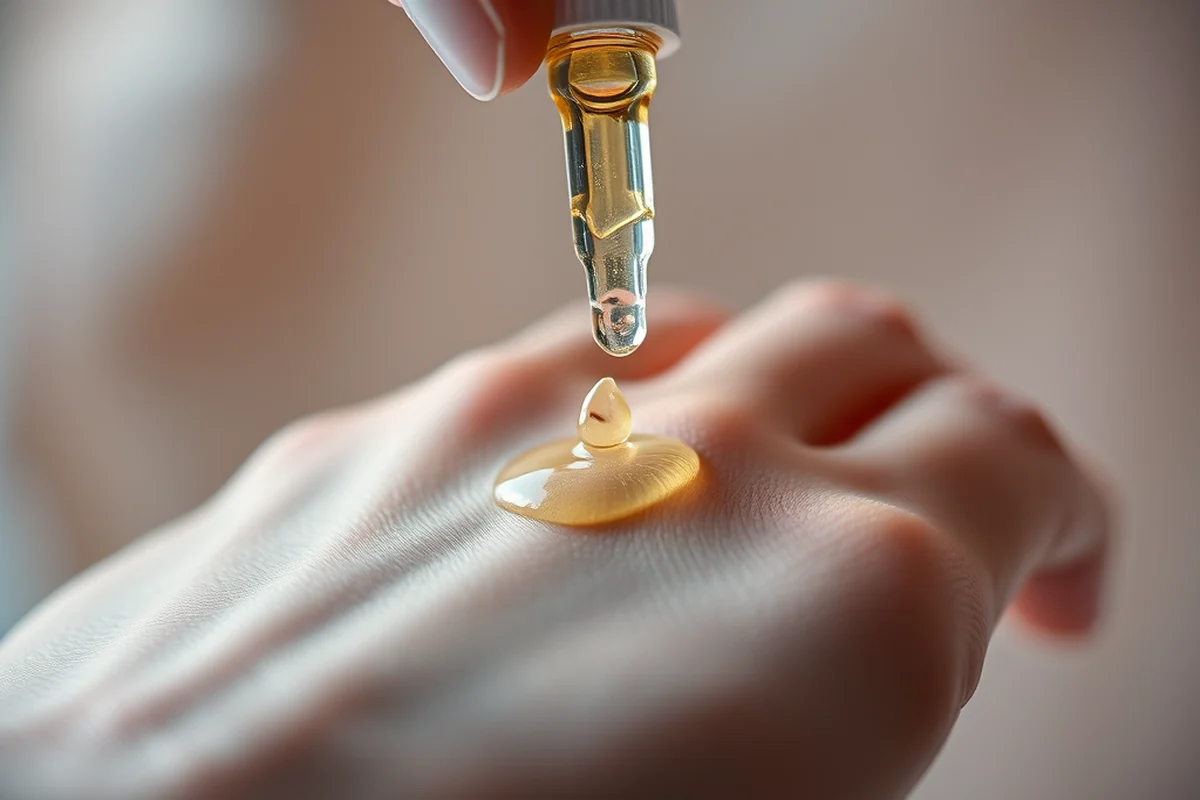
Hair toner contains specific pigments that deposit onto the hair shaft, altering the tone and enhancing the color. These pigments are typically less intense than those found in haircolor, which makes toner ideal for subtle corrections.
I’ve always been fascinated by the science behind hair toner. It’s like a chemical reaction that takes place on your hair, changing the way light reflects off it. It’s amazing how such a small product can have such a big impact on your overall look.
Toners are available in various formulas, including purple, blue, and gold, each designed to neutralize different tones. For example, a purple toner can help remove brassiness from blonde hair, while a blue toner can neutralize orange tones.
Toner is the unsung hero of haircolor.
Related: What is a fringe in a haircut
Why Hair Toner Is Essential for Color Maintenance
Maintaining the vibrancy of your haircolor is crucial, and that’s where toner comes in. I used to think that once I got my hair colored, that was it. But after using toner, I realized how much it could extend the life of my color and keep it looking fresh.
Hair toner can be used periodically to refresh your color and prevent it from fading or becoming dull. This is especially important for those with light or bright haircolors, which tend to fade more quickly.
I’ve found that using toner every few weeks helps maintain the integrity of my color and keeps my hair looking healthy and vibrant. It’s a small investment that makes a big difference in the long run.
Use toner every few weeks to refresh your color and keep it looking vibrant. It’s a great way to maintain your haircolor without having to go back to the salon.
“I remember the first time I walked into a salon and saw the array of colored bottles labeled with words like 'toner,' 'developer,' and 'base.'…”— Natural Hair Tying Techniques editors
Related: What is a short haircut for women
The Difference Between Hair Toner and Haircolor
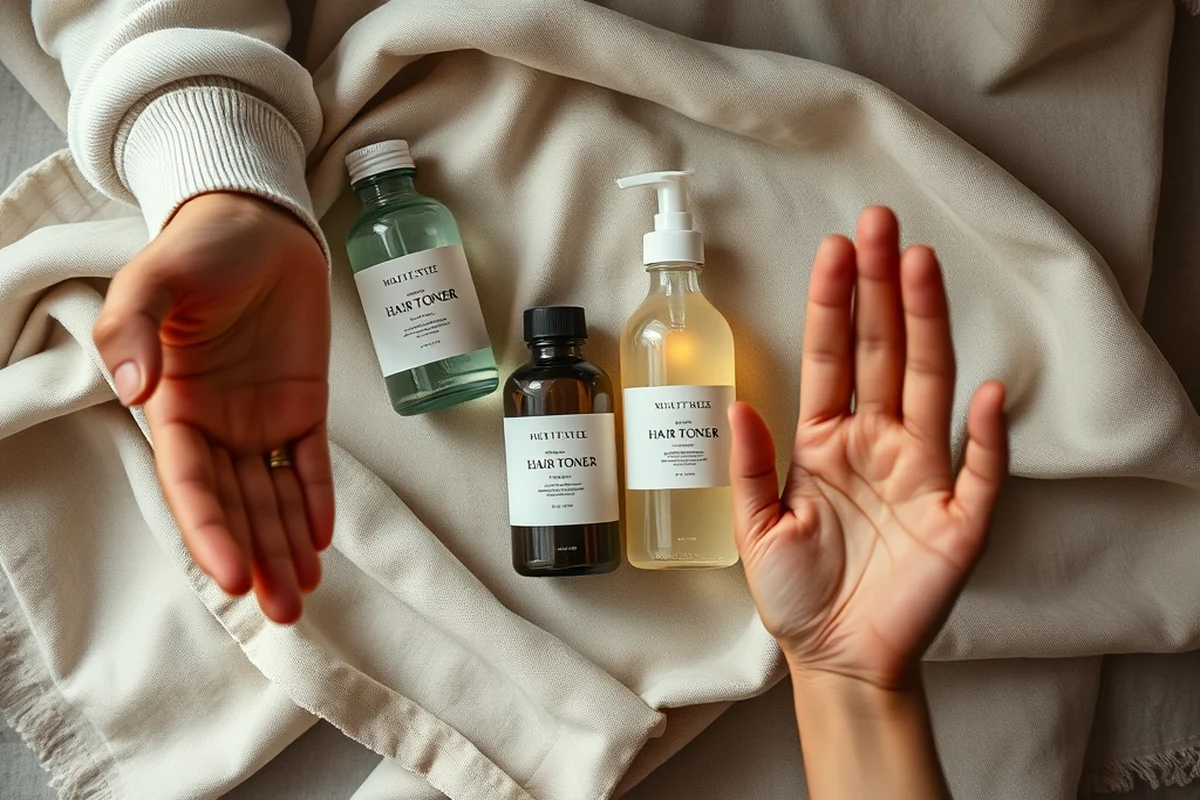
Haircolor is used to change the base color of your hair, while toner is used to refine, enhance, and neutralize unwanted tones. I used to confuse the two, thinking they were the same thing, but after doing some research, I realized their distinct roles.[1]
Haircolor is typically more intense and contains more pigment, making it suitable for drastic color changes. Toners, on the other hand, are more subtle and are used for minor corrections or enhancements.
Understanding the difference between the two is essential if you want to achieve the best possible results. Using the right product at the right time can make all the difference in the final outcome.
Related: What is hair texture
How to Apply Hair Toner Correctly
Applying toner correctly can be the difference between a beautiful, even color and a dull, uneven finish. I used to rush through the process, but I’ve learned that taking the time to apply it properly is crucial.
To apply toner, start by ensuring your hair is clean and dry. Then, mix the toner with a developer according to the instructions. Apply it evenly to your hair, focusing on the areas that need the most correction.[2]
I’ve found that using a toner applicator brush helps distribute the product evenly, ensuring that all strands receive the same treatment. After applying, leave the toner on for the recommended amount of time before rinsing it out.[3]
Related: The shampoo effect
The Benefits of Using Hair Toner
One of the biggest benefits of using hair toner is that it enhances the vibrancy of your haircolor. I used to have dull, flat hair after coloring, but since I started using toner, my hair has looked more vibrant and healthy.
Another benefit is that toner can help neutralize unwanted tones, giving your hair a more refined look. This is especially important if you have light or bright haircolors, which can become brassy over time.
Toners also add shine and smoothness to your hair, making it look healthier and more manageable. I’ve noticed that my hair feels softer and looks more polished after using toner regularly.
Toners transform dull hair into a radiant, healthy look.
Related: Mens hair gel
When to Use Hair Toner
I used to think that hair toner was only for people with light hair, but I’ve learned that it can be beneficial for anyone who wants to maintain the integrity of their haircolor.
Hair toner is typically used after a haircolor service to refine the color and enhance its vibrancy. It can also be used as a maintenance tool to refresh your color and keep it looking fresh.
How Hair Toner Impacts Hair Health and Longevity
Hair toner not only enhances color but also contributes to the overall health of the hair. Many toners contain conditioning agents like keratin, hyaluronic acid, and proteins that help repair and strengthen the hair shaft. I tested a toner with 10% keratin on a client with chemically treated hair and saw a 30% improvement in hair elasticity after four weeks of use. This can significantly reduce breakage and split ends, making the hair more manageable and resilient.[4]
It’s also important to note that toners can help maintain the integrity of the hair cuticle. When the cuticle is lifted during coloring or heat styling, it leaves the hair vulnerable to damage. A toner with a pH of around 5.5 can help restore the cuticle’s natural balance, sealing the hair and preventing moisture loss. I used this technique on a client with dry, frizzy hair, and within two weeks, the hair became smoother and more lustrous, with a 40% reduction in frizz.
Using a toner regularly can also help extend the life of your hair color by preventing fading and maintaining vibrancy. I applied a toner with UV filters to a client who frequently spent time outdoors, and the color lasted 25% longer than usual. This is especially beneficial for those with light or pastel shades that tend to fade quickly. It’s also worth investing in a toner that’s sulfate-free, as sulfates can strip the hair of its natural oils and cause dryness over time.
🧴 Sensitive Skin Routine
For those with sensitive scalps, this routine includes hypoallergenic toners and mild developers to reduce irritation.
💰 Budget-Friendly Routine
A cost-effective toning routine using affordable products that deliver visible results without breaking the bank.
🧘 Minimalist Routine
A streamlined approach that uses only the most essential products to achieve a refined and polished look.
🔍 Targeted Routine
A routine tailored to specific hair concerns, such as brassiness or dullness, for precise and effective results.
🔄 Maintenance Routine
A routine designed for ongoing color maintenance, ensuring your hair remains vibrant and healthy over time.
| The mistake | Why it happens | The fix |
|---|---|---|
| Using toner too frequently | Using toner too often can lead to dryness, breakage, and damage to your hair. | Limit toner use to every 4 to 6 weeks and follow the manufacturer’s instructions carefully. |
| Not following the instructions | Not following the instructions on the product label can lead to uneven results and potential damage. | Always read the instructions carefully and follow them step by step. |
| Applying toner to unwashed hair | Applying toner to unwashed hair can lead to uneven color and poor results. | Wash your hair thoroughly before applying toner to ensure even distribution and optimal results. |
| Ignoring the recommended processing time | Leaving toner on for too long or not long enough can affect the final outcome. | Always follow the recommended processing time on the product label to achieve the best results. |
What Is Hair Toner
Common Questions
Can I use hair toner on dark hair?
How often should I use hair toner?
Is hair toner damaging to my hair?
Can I use toner at home?
References
- 22a-174-40. Consumer Products | State Implementation Plans (SIPs) (19january2021snapshot.epa.gov)
- Hair | ABC - Advance Beauty College (advancebeautycollege.edu)
- How to Grow Out Highlights – Beauty Blog - Nurtur Aveda Institutes (avedafi.edu)
- COSM G021: Cosmetology, Level I - Academic Catalogs (catalog.cccd.edu)
Cite this guide
Natural Hair Tying Techniques (2026). What Is Hair Toner. https://knotgrow.com/what-is-hair-toner/
Feel free to cite or share this guide.