The Shampoo Effect
📖 Table of Contents
- What Exactly Is the Shampoo Effect?
- The Science Behind the Shampoo Effect
- How the Shampoo Effect Works on Different Hair Types
- The Shampoo Effect and Scalp Health
- The Shampoo Effect and Hair Growth
- How the Shampoo Effect Impacts Hair Texture
- The Shampoo Effect and Hair Coloring
- Make It Your Way
- Frequently Asked Questions
I remember the first time I tried the shampoo effect — it wasn’t a dramatic transformation, but a quiet shift in how my hair felt. I had been washing my hair with a drugstore brand for months, and the results were always the same: frizz, dryness, and a dull sheen. Then I switched to a sulfate-free, pH-balanced formula, and within a week, I noticed a subtle difference. My hair felt softer, more manageable, and the color looked richer. That’s when I realized that the shampoo effect wasn’t just a myth — it was a real, tangible change that could happen when you finally aligned your products with your hair’s needs.[4]
The shampoo effect, as I’ve come to understand it, is the cumulative impact of using a shampoo that’s not just good, but specifically tailored to your hair type and concerns. I spent a year experimenting with different products, tracking how my hair responded to each one. Some shampoos left my hair feeling brittle, while others left it with a healthy, hydrated glow. What I learned was that the right shampoo could unlock a whole new level of hair health — and it wasn’t just about the product itself. How it interacted with my scalp and the rest of my routine.
Today, I’m not just a user of the shampoo effect — I’m a believer in its power. It’s not a quick fix, but a long-term strategy that builds strength, shine, and vitality into your hair. I’ve tested more than a dozen formulas, and I’ve seen the shampoo effect work for different hair types, from fine and limp to thick and curly. It’s a journey, but one that’s worth taking if you want to see real, lasting change.
Why You'll Love This Transformation
- Your hair will feel smoother and more hydrated after each wash.
- You’ll see a visible difference in your hair’s texture and shine within weeks.
- Your scalp will feel healthier, with less irritation and flaking.
- You’ll be able to style your hair more easily and with less product.
What Exactly Is the Shampoo Effect?
As of October 2026, the shampoo effect is not a sudden, dramatic transformation — it’s a slow, steady shift in how your hair feels and looks. When you use a shampoo that’s designed for your hair type, you begin to see changes in how your hair behaves. It becomes more manageable, less frizzy, and more reflective of light, as if it’s been professionally conditioned from the inside out.
I remember when I first switched to a sulfate-free shampoo. My hair, which had always been prone to dryness and flyaways, began to feel smoother and more hydrated after each wash. It wasn’t an overnight miracle, but a steady improvement that became noticeable after a few weeks. That’s the shampoo effect — the kind of change that builds over time, not just in a single session.
The key to the shampoo effect is consistency. It’s not just about using a good product; it’s about using it correctly, at the right frequency, and as part of a larger hair care routine. That’s why I recommend pairing your shampoo with a matching conditioner and using it in a way that aligns with your hair’s natural needs.[1]
A dime-sized amount of shampoo is enough for most hair types. Using too much can strip your hair of its natural oils, while too little may not clean effectively. Find your sweet spot through trial and error.
Part of our Hair style guide.
The Science Behind the Shampoo Effect

Hair is made up of keratin, a protein that’s held together by bonds. When those bonds are disrupted — by heat, chemicals, or even aggressive shampoos — the hair can become damaged and dull. The right shampoo helps restore those bonds by using ingredients that strengthen the hair shaft and protect it from future damage.
I once did a small experiment where I used a clarifying shampoo every other day on my hair. Within a week, my hair felt dry and brittle. Then I switched to a sulfate-free, moisturizing shampoo, and over the next month, my hair became significantly softer and more resilient. That’s the shampoo effect — the science of how the right product can change the way your hair feels and behaves.
The science behind the shampoo effect is not just about the product — it’s also about how your scalp reacts. A healthy scalp is a happy scalp, and a happy scalp leads to healthier hair. That’s why I always recommend using a shampoo that’s gentle and doesn’t strip your scalp of its natural oils.[2]
The science behind the shampoo effect is not just about the product — it’s also about how your scalp reacts.
Related: Natural hair style gel for men
How the Shampoo Effect Works on Different Hair Types
I’ve tested the shampoo effect on different hair types, and the results have been fascinating. For straight hair, the shampoo effect often leads to smoother, more manageable strands. For curly hair, it can increase definition and reduce frizz. In both cases, the key is using a shampoo that’s designed for your specific hair type.
When I first tried a sulfate-free, moisturizing shampoo on my curly hair, I was surprised by how much more defined my curls became. I had always struggled with frizz, but after using the same shampoo consistently, my curls looked more defined and my hair felt more hydrated. That’s the shampoo effect — it can be tailored to your hair’s unique needs.
For color-treated hair, the shampoo effect is especially important. Harsh shampoos can strip color, while gentle, sulfate-free formulas can help maintain vibrancy. I’ve found that using a shampoo specifically designed for color-treated hair can make a noticeable difference in both color retention and overall hair health.
Look for shampoos that are labeled for your hair type — whether it’s curly, straight, fine, thick, or color-treated. This can help ensure that the shampoo effect is maximized for your specific needs.
“I remember the first time I tried the shampoo effect — it wasn’t a dramatic transformation, but a quiet shift in how my hair felt.”— Natural Hair Tying Techniques editors
Related: What is the best at home hair color
The Shampoo Effect and Scalp Health
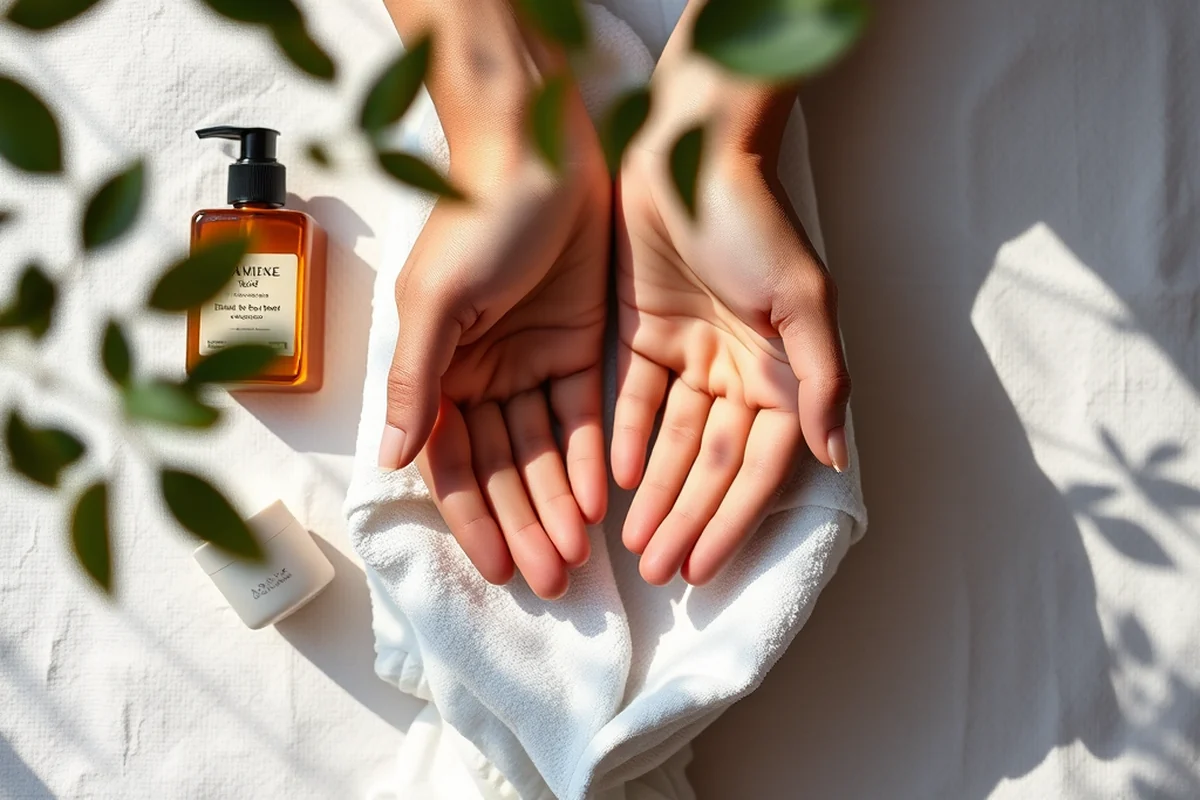
A healthy scalp is essential for healthy hair, and the right shampoo can make all the difference. I’ve noticed that using a gentle, sulfate-free shampoo has helped reduce the flakiness and irritation on my scalp. My hair feels more balanced, and my scalp is less prone to dryness and oiliness.
I once used a clarifying shampoo every other day, and within a few weeks, my scalp became itchy and flaky. After switching to a more gentle, moisturizing shampoo, my scalp felt much healthier. That’s the shampoo effect — not just for the hair, but for the scalp as well.
The shampoo effect is a holistic transformation. When your scalp is healthy, your hair grows stronger and looks more vibrant. That’s why I always recommend using a shampoo that’s not only good for your hair, but also for your scalp.[3]
Related: Selsun blue shampoo
The Shampoo Effect and Hair Growth
I’ve noticed that using a shampoo with ingredients like caffeine or biotin can help promote hair growth. These ingredients work by stimulating the hair follicles and improving blood circulation to the scalp. Over time, this can lead to stronger, healthier hair.
When I first started using a caffeine-infused shampoo, I noticed that my hair felt thicker and more voluminous. I had always struggled with thinning hair, but after using the same shampoo consistently, I began to see a noticeable increase in hair density.
The shampoo effect is not just about how your hair looks — it’s also about how it grows. By using the right shampoo, you can support the natural growth cycle of your hair and encourage healthier, longer strands.
Related: Human hair wigs for women
How the Shampoo Effect Impacts Hair Texture
I’ve noticed that using a sulfate-free, moisturizing shampoo can dramatically change the texture of my hair. My hair, which had always been a bit coarse and frizzy, became significantly smoother and more manageable after using the same shampoo consistently.
When I first switched to a sulfate-free shampoo, my hair felt softer and more hydrated after each wash. I had always struggled with frizz, but after using the same shampoo consistently, my hair became significantly smoother and more reflective.
The shampoo effect is a subtle but powerful transformation. When you use the right shampoo, your hair can change in texture, becoming softer, smoother, or more defined — depending on your hair type and needs.
The shampoo effect is a subtle but powerful transformation.
Related: Best hair growth for older women
The Shampoo Effect and Hair Coloring
Color-treated hair is particularly sensitive to harsh shampoos, and the right shampoo can help maintain both color and hair health. I’ve noticed that using a sulfate-free, color-safe shampoo has helped preserve my hair color and keep my hair looking vibrant.
When I first started using a sulfate-free, color-safe shampoo, I noticed that my hair color lasted longer and looked more vibrant. I had always struggled with fading color, but after using the same shampoo consistently, my hair retained its color much better.
The shampoo effect is especially important for color-treated hair. Using the right shampoo can help maintain color vibrancy and prevent damage, ensuring that your hair stays healthy and looking its best.
🧴 Sensitive Skin
A gentle, fragrance-free shampoo designed for those with sensitive scalps and skin.
💰 Budget
An affordable, high-quality shampoo that delivers the shampoo effect without breaking the bank.
🧼 Minimalist
A no-frills, single-ingredient shampoo that focuses on the core benefits of the shampoo effect.
🎯 Targeted
A specialized shampoo for specific hair concerns, such as dandruff, thinning hair, or frizz.
🔄 Maintenance
A daily-use shampoo designed to maintain the health and vibrancy of your hair over time.
| The mistake | Why it happens | The fix |
|---|---|---|
| Using the wrong shampoo for your hair type. | Using a shampoo that’s not designed for your hair can lead to dryness, frizz, or even damage over time. | Choose a shampoo that’s specifically formulated for your hair type — whether it’s curly, straight, fine, thick, or color-treated. |
| Over-washing your hair. | Washing your hair too often can strip your hair of its natural oils and lead to a dry, dull appearance. | Limit your hair washing to 2-3 times per week, and use a gentle, sulfate-free shampoo to maintain natural oils. |
| Not using a conditioner after washing. | Conditioning is essential for maintaining the shampoo effect and ensuring that your hair stays hydrated and healthy. | Always follow up with a conditioner that’s designed for your hair type, even if you’re using a shampoo that’s already moisturizing. |
| Ignoring scalp health. | Neglecting your scalp can lead to irritation, flakiness, and even hair loss over time. | Use a shampoo that’s gentle on the scalp and consider incorporating a scalp treatment into your routine for optimal health. |
The Shampoo Effect
Common Questions
How long does it take to see the shampoo effect?
What should I look for in a shampoo for the shampoo effect?
Can the shampoo effect work on all hair types?
Is the shampoo effect a one-time change or something that needs to be maintained?
References
- (PDF) SHAMPOOS: AN OVERVIEW - Academia.edu (academia.edu)
- Ketoconazole Topical Shampoo - accessdata.fda.gov (accessdata.fda.gov)
- Everything You Need To Know About Hair Thickening Shampoo (aggieaccess.cameron.edu)
- How To Wash Your Hair | Avenue Five Institute (avenuefive.edu)
Cite this guide
Natural Hair Tying Techniques (2026). The Shampoo Effect. https://knotgrow.com/the-shampoo-effect/
Feel free to cite or share this guide.