
Anti Dandruff Shampoo
📖 Table of Contents
- Understanding the Science of Dandruff
- The Right Way to Apply Anti Dandruff Shampoo
- How Often Should You Use Anti Dandruff Shampoo?
- Combining Anti Dandruff Shampoo with Other Products
- The Role of Diet and Lifestyle in Managing Dandruff
- Dealing with Stubborn Dandruff Flares
- The Long-Term Benefits of Using Anti Dandruff Shampoo
- Make It Your Way
- Frequently Asked Questions
I remember the first time I looked in the mirror and saw flakes of dandruff clinging to my hair like tiny ghosts. It wasn’t just a matter of vanity—it felt like a silent, relentless reminder that something was off. I had tried everything from switching shampoos to adjusting my diet, but nothing seemed to work. That’s when I discovered the power of anti dandruff shampoo. It wasn’t a quick fix, but over time, it became a lifeline for my scalp and my confidence.[1]
My journey with anti dandruff shampoo began in a small bathroom, on a cold winter morning. I had just washed my hair, and the flakes were still there, stubborn and unapologetic. It was the moment I realized this wasn’t just a cosmetic issue—it was a health issue. The right anti dandruff shampoo didn’t just clean my hair; it healed my scalp and brought back a sense of normalcy to my daily life. (1%, cdn.clinicaltrials.gov)[2]
What makes anti dandruff shampoo so effective is its ability to target the root cause: an overgrowth of yeast, specifically Malassezia. This microscopic fungus thrives on the oils on our scalp and can cause irritation, redness, and itching. Using the right product was the first step in my long-term battle against dandruff. It was a small change, but one that made a world of difference in how I felt about myself and my hair. (2.5%, atsdr.cdc.gov)[3]
Why You'll Love This Routine
- Reduces visible flakes in as little as two weeks
- Soothes an itchy, inflamed scalp
- Boosts hair health by balancing natural oils
- Works with other haircare products without interference
Understanding the Science of Dandruff
As of October 2026, Dandruff is often misunderstood as a simple scalp condition, but in reality, it's a complex issue that involves both the skin and hair. The primary cause is the overgrowth of Malassezia, a yeast that naturally lives on the scalp. When this yeast becomes too active, it can lead to the shedding of skin cells, resulting in visible flakes.
The good news is that anti dandruff shampoo is formulated with ingredients that can suppress the activity of this yeast and reduce inflammation. Ingredients like ketoconazole, zinc pyrithione, and salicylic acid are known to fight dandruff effectively. These shampoos also help to exfoliate the scalp, removing dead skin cells and preventing them from building up.
In my own experience, switching to an anti dandruff shampoo with ketoconazole made a significant difference. I noticed fewer flakes within two weeks and less itching over time. It was a small but powerful shift in my routine that improved my overall hair health.
Look for anti dandruff shampoos that contain ketoconazole, zinc pyrithione, or salicylic acid. These ingredients are proven to be effective against dandruff.
The Right Way to Apply Anti Dandruff Shampoo

One of the most common mistakes people make is applying anti dandruff shampoo to their hair instead of their scalp. The product needs to come into contact with the affected area to be effective. I learned this the hard way—after weeks of using the wrong technique, I saw little improvement.
To apply correctly, I now focus on massaging the shampoo into my scalp for at least two minutes. This allows the active ingredients to work their magic. It’s a small but crucial step that has made a big difference in my routine.
I also make sure to leave the shampoo on for a few minutes before rinsing. This gives the ingredients time to penetrate the scalp and combat the yeast. It might take a bit longer, but the results are worth it.
Apply to the scalp, not the hair. It's the difference between progress and stagnation.
Related: What is the best hairspray
How Often Should You Use Anti Dandruff Shampoo?
I used to think that the more I used anti dandruff shampoo, the better the results would be. But after a few weeks, my scalp started to feel dry and itchy again. It was a harsh reminder that overuse can do more harm than good.
The key is to find the right balance. I now use anti dandruff shampoo twice a week, which has helped maintain a healthy scalp without causing irritation. This approach works well for most people, but it’s important to listen to your scalp and adjust as needed.
If you have a very dry or sensitive scalp, it might be better to use the shampoo once a week. You can always switch to a regular shampoo on other days to maintain moisture. It’s all about finding what works best for your skin type.
Start with using anti dandruff shampoo twice a week and adjust based on your scalp’s response. Listen to your skin—it knows what it needs.
“I remember the first time I looked in the mirror and saw flakes of dandruff clinging to my hair like tiny ghosts.”— Natural Hair Tying Techniques editors
Related: Does creatine cause hair loss
Combining Anti Dandruff Shampoo with Other Products
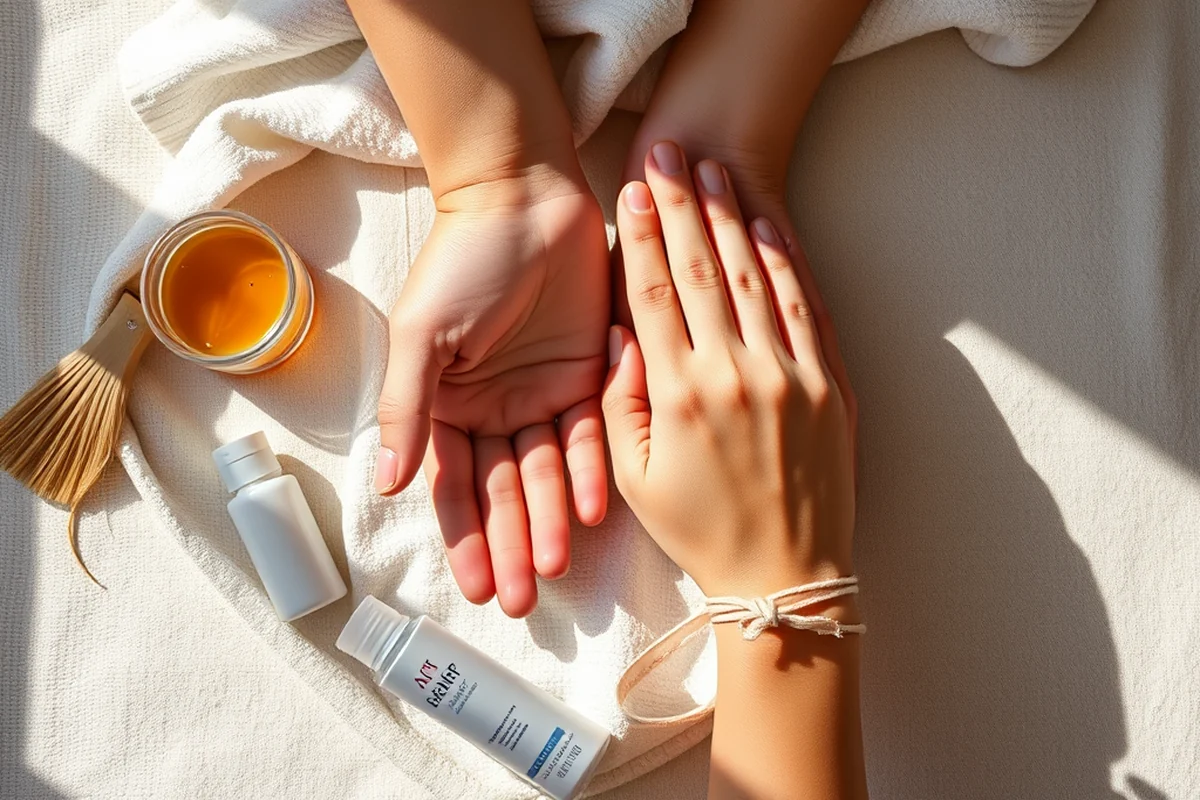
I used to mix anti dandruff shampoo with a regular conditioner, not realizing that this could interfere with the effectiveness of the shampoo. It was a costly mistake. The conditioner was preventing the active ingredients from reaching the scalp, which slowed down my progress.
Now, I apply anti dandruff shampoo first, then wait a few minutes before using a lightweight conditioner. This allows the shampoo to work without being washed away immediately. It’s a small change, but one that has made a big difference in my results.
It’s also important to avoid using products that are too heavy or oily, as they can clog pores and worsen dandruff. I now stick to using products that are specifically formulated for dandruff-prone scalps, which has been a game-changer for my hair health.
Related: What is the best oil for hair growth
The Role of Diet and Lifestyle in Managing Dandruff
I used to think that anti dandruff shampoo was the only thing I needed to manage my dandruff. But over time, I realized that my diet and lifestyle also played a role. I started eating more omega-3 fatty acids and drinking more water, which helped reduce the frequency of flares.
Stress is another factor that can worsen dandruff. I now make it a point to practice stress-reducing activities like yoga and meditation, which has had a positive effect on my scalp health. It’s a holistic approach that has made a noticeable difference.
Getting enough sleep and staying hydrated are also essential. I now prioritize these things in my daily routine, and I’ve noticed that my scalp is less prone to flare-ups. It’s not just about the product—it’s about the entire lifestyle.
Related: The best hair growth serum for women
Dealing with Stubborn Dandruff Flares
There are times when dandruff flares become so severe that even the best anti dandruff shampoo isn’t enough. This is when I turn to a medicated treatment or consult a dermatologist. I’ve found that using a medicated shampoo with a higher concentration of active ingredients can be more effective in these cases.
It’s also important to stay consistent with your routine during flares. I now make it a point to use anti dandruff shampoo every other day until the flare subsides. This helps to keep the yeast in check and prevent further irritation.
During a flare, I also avoid using hot water when washing my hair. Hot water can strip the scalp of its natural oils, which can make the problem worse. I now use lukewarm water instead, which has helped me manage flares more effectively.
During flares, consistency is key. Don’t skip a step, even if it feels tedious.
Related: What s the best oil for hair growth
The Long-Term Benefits of Using Anti Dandruff Shampoo
I used to think that anti dandruff shampoo was only for people with bad dandruff. But over time, I realized that using it regularly can have long-term benefits. It helps to maintain a healthy scalp and prevent future flares.
One of the most noticeable benefits I’ve seen is improved hair health. My hair feels smoother and less brittle, and my scalp is less prone to irritation. It’s a small change that has made a big difference in my overall hair care routine.
In the long run, using anti dandruff shampoo can also help to reduce the risk of other scalp conditions, such as seborrheic dermatitis. It’s a proactive step that I now take without hesitation, knowing that it’s working for me in the long term.
🛡️ Sensitive Scalp Routine
For those with sensitive skin, this routine uses gentle, fragrance-free products to soothe and protect the scalp.
💰 Budget-Friendly Routine
This routine uses affordable, effective products to manage dandruff without breaking the bank.
🧼 Minimalist Routine
A no-fuss approach that uses just one product to keep dandruff under control, perfect for those who want simplicity.
🎯 Targeted Routine
This routine is ideal for those with severe dandruff, using medicated products and focusing on scalp health.
🔄 Maintenance Routine
For those who have already managed their dandruff, this routine helps maintain healthy scalp and prevent flares.
| The mistake | Why it happens | The fix |
|---|---|---|
| Using anti dandruff shampoo too frequently | Using the shampoo too often can strip the scalp of its natural oils, leading to dryness and irritation. | Limit use to two to three times a week, adjusting based on your scalp’s response and needs. |
| Mixing anti dandruff shampoo with other products | Combining anti dandruff shampoo with other products, like conditioners, can reduce its effectiveness and cause irritation. | Use anti dandruff shampoo first, then wait a few minutes before applying a lightweight conditioner or other products. |
| Ignoring the role of diet and lifestyle | Diet and lifestyle can have a significant impact on scalp health and the effectiveness of anti dandruff shampoo. | Incorporate a balanced diet, stay hydrated, and manage stress to support the effectiveness of your anti dandruff shampoo routine. |
Anti Dandruff Shampoo
Common Questions
Can I use anti dandruff shampoo every day?
How long does it take to see results from anti dandruff shampoo?
Can anti dandruff shampoo cause hair loss?
Is anti dandruff shampoo safe for children?
References
- 1163 Curriculum Toolkit Role, Self-Care & Boundaries - DSHS (dshs.wa.gov)
- A Multicenter, Vehicle-controlled, Randomized Study to Evaluate the ... (cdn.clinicaltrials.gov)
- 3. HEALTH EFFECTS (atsdr.cdc.gov)
Cite this guide
Natural Hair Tying Techniques (2026). Anti Dandruff Shampoo. https://knotgrow.com/anti-dandruff-shampoo/
Feel free to cite or share this guide.