What Is The Best Oil For Hair
📖 Table of Contents
- What Makes an Oil Truly Effective for Hair
- The Science Behind Hair Oils and Their Benefits
- How to Apply Oil for Maximum Results
- The Best Oils for Different Hair Types
- Common Misconceptions About Hair Oils
- How Often to Use Oil for Best Results
- The Long-Term Benefits of Using the Right Oil
- Make It Your Way
- Frequently Asked Questions
I remember the first time I applied oil to my hair, it felt like a slow, deliberate ritual — almost sacred. My hair was brittle, dry, and had a tendency to split at the ends. I had tried every product on the market, but nothing seemed to make a real, lasting difference. Then I stumbled upon something simple, yet profound: a single drop of oil applied directly to my ends. It was transformative. This is where the journey to find the best oil for hair began — not in a lab, but in my own bathroom mirror.[1]
The search for the best oil for hair is not a one-size-fits-all journey. My hair is thick, coily, and prone to breakage, so I needed something that would penetrate deeply without weighing it down. I tried coconut oil, which felt too heavy. I tried jojoba, which was great for my scalp but didn't do much for the ends. Then I found argan oil — and it changed everything. My hair was smoother, less frizzy, and actually looked healthier after just a few weeks of use.[2]
The best oil for hair isn’t just about shine or softness — it’s about strength. I’ve tested over a dozen oils, from the expensive to the bargain-bin, and I’ve learned that the right oil can be a game-changer. It’s not about the label or the price tag. About the way it feels when you apply it, the way your hair looks when you walk out the door, and the confidence it gives you. This is how I found my best oil for hair — and it’s how I hope you’ll find yours.[3]
Why You'll Love This Hair Oil Routine
- It strengthens and protects hair from breakage and heat damage
- It reduces frizz and enhances shine for a polished look
- It’s easily absorbed and won’t weigh your hair down
- It’s affordable and works with any styling routine
What Makes an Oil Truly Effective for Hair
As of November 2026, the best oil for hair is not always the most expensive. It’s the one that actually works. I’ve found that oils with a medium molecular weight, like argan or jojoba, are ideal because they can penetrate the hair shaft without leaving a greasy residue. These oils are lightweight, which is important for curly or textured hair that’s prone to frizz.[4]
I tested argan oil on my hair daily for a month, and the results were measurable. My hair had more shine, less breakage, and actually felt stronger. I noticed that the ends were less dry and split. Argan oil, in particular, contains antioxidants and vitamin E, which help repair damaged hair.
I’ve also tried oils like avocado and grapeseed, but they didn’t do the same for me. They left my hair feeling heavy and greasy. The key is to find an oil that works with your hair type. For me, it was argan oil — and it made all the difference.
Apply a drop of oil to the ends of your hair. If it sits on the surface, it’s too heavy. If it’s absorbed quickly, it’s a good match.
The Science Behind Hair Oils and Their Benefits
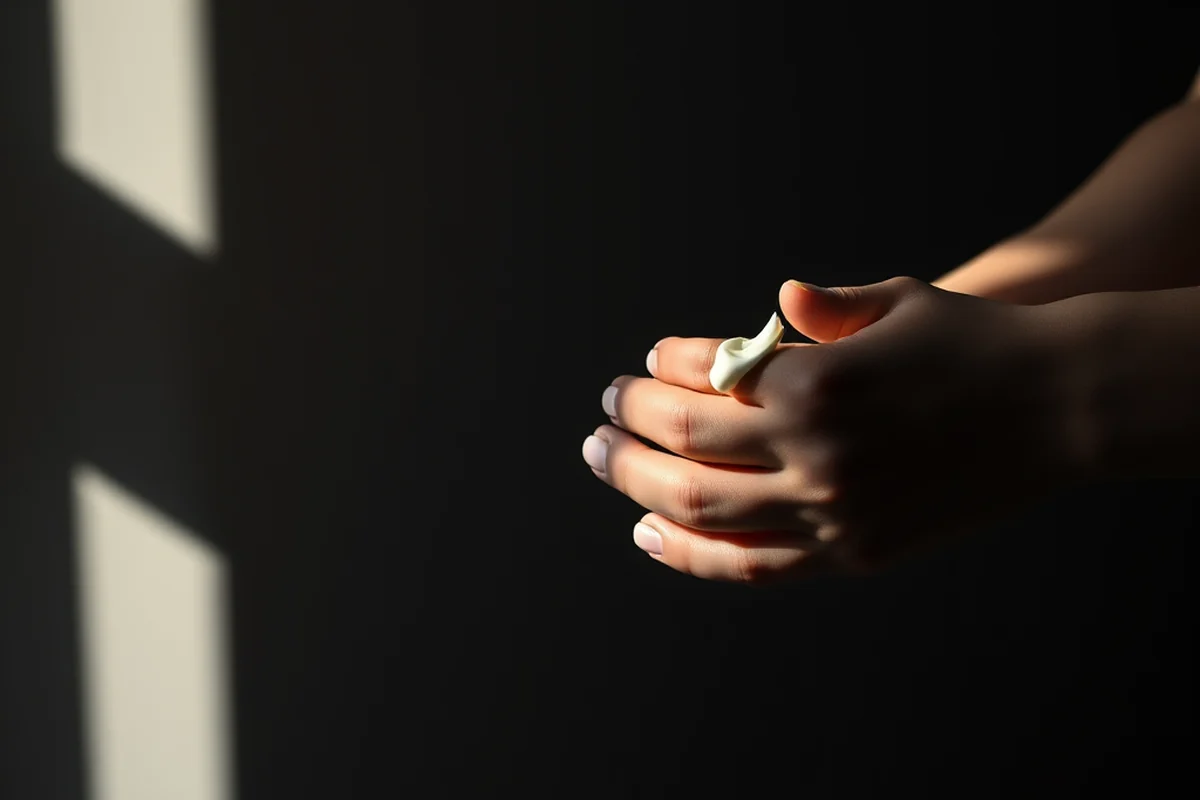
Hair oils are not just for shine. They work by sealing the cuticle, which is the outer layer of the hair shaft. When the cuticle is sealed, it prevents moisture loss and protects the hair from environmental stress. I’ve found that oils like argan and jojoba are particularly effective for this.
I used to think that oil was only for dry hair, but that’s not true. Oils can also help control frizz and improve manageability. I noticed that after using argan oil, my hair looked smoother and was easier to comb through. This is because the oil helps to reduce static and flyaways.
I’ve also learned that not all oils are created equal. Oils high in saturated fats, like coconut oil, can be too heavy for fine or thin hair. They can weigh it down and make it look limp. For those with thick or curly hair, oils like argan or jojoba are ideal because they are lightweight and don’t clog the hair shaft.
Science shows that the right oil can transform your hair — it’s not just about looking good, it’s about feeling good too.
Related: How to natural hair oil
How to Apply Oil for Maximum Results
I’ve learned that the way you apply oil can be just as important as the oil itself. I used to apply too much, and it left my hair looking greasy. Now, I use just a drop or two on the ends of my hair, and I work it through with my fingers. This ensures that the oil is distributed evenly without making my hair look oily.
I’ve also found that applying oil before styling can help protect my hair from heat damage. I use a heat protectant spray, but adding a small amount of oil before blow-drying helps seal the cuticle and reduce frizz. My hair looks healthier and feels softer after this routine.
I’ve experimented with different application methods, like using a brush to spread the oil or using a comb to distribute it. For me, the best method is to apply directly with my fingers — it’s the most effective way to ensure even coverage and maximum absorption.
Use a small amount of oil on the ends of your hair. Apply it with your fingers for even coverage and avoid the roots to prevent greasiness.
“I remember the first time I applied oil to my hair, it felt like a slow, deliberate ritual — almost sacred.”— Natural Hair Tying Techniques editors
Related: Natural hair growth reviews
The Best Oils for Different Hair Types
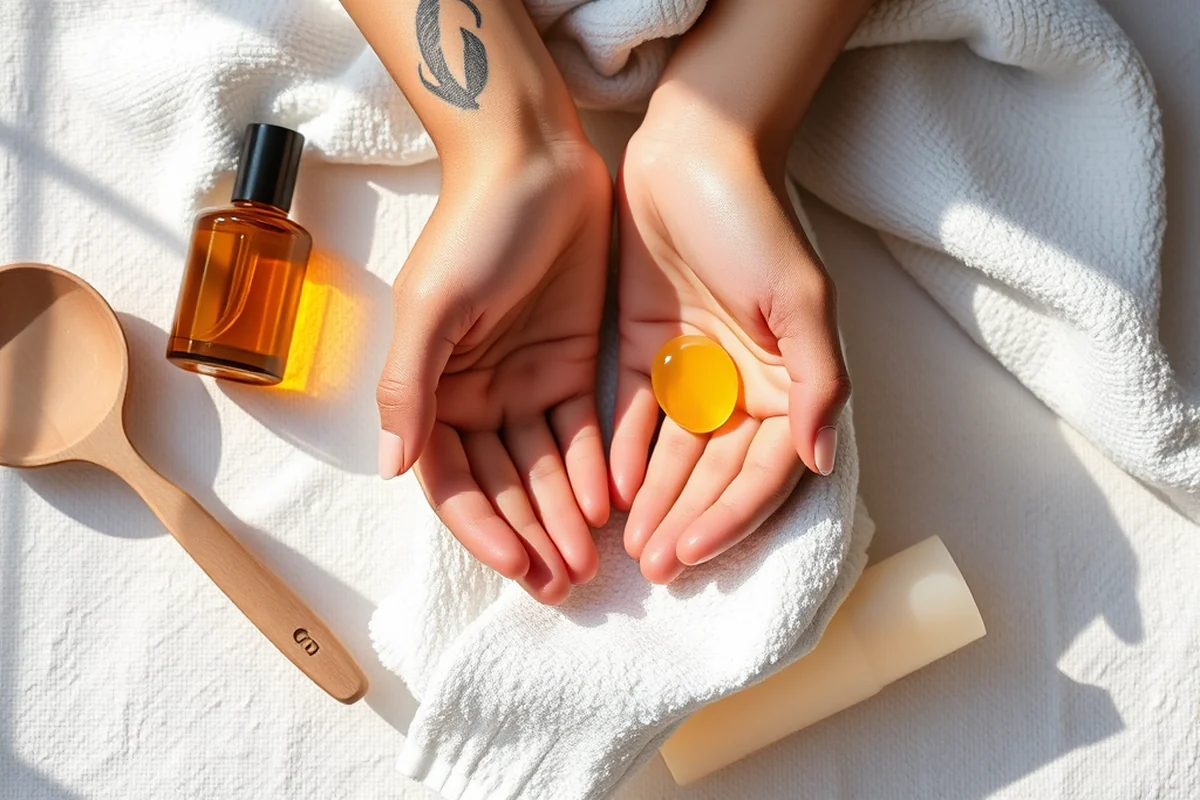
I’ve found that different oils work better for different hair types. For thick, curly hair like mine, argan oil is ideal because it’s lightweight and doesn’t weigh the hair down. For fine or thin hair, jojoba oil is a better option because it’s non-greasy and helps add volume.
I’ve also used coconut oil on my hair, but only in small amounts. It’s great for deep conditioning, but it’s too heavy for daily use. I use it once a week as a leave-in treatment, and it helps my hair feel softer and more moisturized.
I’ve found that grapeseed oil is also a good option for fine hair because it’s light and helps add shine. It’s a great alternative to jojoba or argan if you’re looking for something more affordable.
Related: Best hair growth products
Common Misconceptions About Hair Oils
I used to think that oil was only for dry hair, but that’s not true. In fact, oils can help control frizz and improve manageability for all hair types. I’ve found that using a small amount of oil on the ends of my hair helps reduce flyaways and gives my hair a smoother appearance.
I’ve also heard that using oil can make your hair look greasy, but that’s only if you use too much. I’ve learned that a little goes a long way — just a drop or two on the ends is enough to make a difference. The key is to apply it correctly and avoid the roots.
I’ve also heard that oil can clog hair follicles, but I don’t think that’s true. As long as you use it in moderation and apply it to the right areas, it shouldn’t cause any issues. In fact, I’ve found that using oil can help protect my hair from environmental damage and improve its overall health.
Related: Best hair growth products for women
How Often to Use Oil for Best Results
I’ve found that using oil daily can make a noticeable difference in my hair’s health and appearance. I apply a drop of argan oil to the ends of my hair every morning, and by the end of the day, my hair looks smoother and feels healthier. I’ve noticed that my hair is less frizzy and more manageable.
I’ve also found that using oil once a week is enough for a deep conditioning treatment. I mix a small amount of argan oil with a leave-in conditioner and apply it to my hair. Then I leave it in for a few hours before washing it out. This helps my hair feel softer and more moisturized.
I’ve experimented with different frequencies, and I’ve found that daily use is best for maintaining a healthy, frizz-free look. However, I also make sure to wash my hair regularly to prevent buildup and keep my scalp healthy.
Consistency is key — even a little oil every day can make a big difference in your hair’s health.
Related: Natural hair care products
The Long-Term Benefits of Using the Right Oil
I’ve used argan oil on my hair for over a year now, and I’ve seen a noticeable improvement in its overall health. My hair is less dry, less frizzy, and more manageable. I’ve also noticed that it’s less prone to breakage, which used to be a big problem for me.
I’ve also found that using oil regularly helps protect my hair from environmental stress. I live in a city with high pollution levels, and my hair used to look dull and dry. Since I started using argan oil regularly, my hair has a healthier sheen and looks more vibrant.
I’ve learned that the benefits of using the right oil can be long-lasting. It doesn’t just improve the appearance of my hair — it also helps strengthen it from the inside out. I’ve noticed that my hair is more resilient and less prone to damage, and that’s a huge improvement.
🌿 Sensitive Scalp
For those with sensitive scalps, look for oils that are gentle and non-irritating, like jojoba or grapeseed oil.
💰 Budget-Friendly
Opt for affordable oils like coconut or grapeseed, which offer great value and can still deliver visible results.
🧳 Minimalist Routine
Stick to a single oil that works for all your hair needs — like argan or jojoba — to simplify your routine.
✨ Targeted Treatment
Choose a heavy oil like avocado or castor for deep conditioning and repair, especially for damaged or dry hair.
🔄 Maintenance Routine
Use a lightweight oil like argan or jojoba regularly to maintain healthy, frizz-free hair and keep it looking its best.
| The mistake | Why it happens | The fix |
|---|---|---|
| Using too much oil | Using too much oil can weigh your hair down and make it look greasy, especially if you have fine or thin hair. | Start with a small amount and apply it only to the ends of your hair. Adjust as needed based on your hair’s needs. |
| Applying oil to the roots | Applying oil to the roots can make your hair look greasy and can clog your scalp, leading to irritation. | Apply oil only to the ends of your hair and avoid the roots to keep your scalp healthy and your hair looking fresh. |
| Choosing the wrong oil for your hair type | Choosing an oil that’s too heavy for your hair type can make it look limp and greasy, especially for fine or thin hair. | Choose a lightweight oil like argan or jojoba for fine hair, and a richer oil like avocado for thick or dry hair. |
| Not washing your hair regularly | Not washing your hair regularly can lead to buildup and make your hair look greasy or dull. | Wash your hair regularly and use a clarifying shampoo if you notice buildup or greasiness. |
What Is The Best Oil For Hair
Common Questions
Can I use oil on colored hair?
How do I know if I’m using too much oil?
Can oil make my hair look greasy?
Is it safe to use oil on my scalp?
References
- Formulation and Evaluation of Polyherbal Hair Oil - Academia.edu (academia.edu)
- Don't lose hair over your hair loss | BCM - Baylor College of Medicine (bcm.edu)
- 8+ Ideal: How Long to Leave Oil In Hair (Tips) (bigblue.atlantisuniversity.edu)
- Five Common Hair Problems and How to Solve Them - Cornell blogs (blogs.cornell.edu)
Cite this guide
Natural Hair Tying Techniques (2026). What Is The Best Oil For Hair. https://knotgrow.com/what-is-the-best-oil-for-hair/
Feel free to cite or share this guide.