What Is Natural Hair Dye
📖 Table of Contents
- What Exactly is Natural Hair Dye?
- How Does Natural Hair Dye Work?
- What Are the Benefits of Natural Hair Dye?
- How Long Does Natural Hair Dye Last?
- How to Choose the Right Natural Hair Dye for You
- How to Apply Natural Hair Dye
- What Are the Most Popular Types of Natural Hair Dye?
- Make It Your Way
- Frequently Asked Questions
I remember the first time I tried natural hair dye. I was 24, standing in my bathroom with a bottle of henna in one hand and a curling iron in the other, feeling like I was about to commit a crime. I'd always been curious about what 'natural hair dye' really meant. It wasn't until I saw the vibrant red hair of my friend, who used it regularly, that I decided to give it a try. What I didn't know then was that I was about to embark on a journey that would change my relationship with my hair forever.[1]
Natural hair dye is more than just a trend — it's a movement, a way to embrace the colors that come from the earth and the roots of your own hair. Unlike synthetic dyes that strip your hair of its natural oils, natural dyes work in harmony with your hair, using plant-based pigments to enhance your natural color. I’ve tried so many different options over the years, from henna to indigo and even plant-based herbal blends, and each has left me with something unique and meaningful.[2]
What I love most about natural hair dye is that it's not about covering up who you are — it's about embracing the beauty that already exists. I've watched my hair transform from a dull brown to a rich chestnut and even a deep auburn, all without harsh chemicals. It's not just a change in color; it's a change in how I feel about myself and how I interact with the world. It's a process that requires patience, but the results are worth it.
Why You'll Love This Hair Transformation
- Safe for your scalp and hair — no harsh chemicals involved.
- Provides a rich, natural color that enhances your hair's health.
- Works with your hair's natural texture and color for a more organic look.
- A sustainable, eco-friendly alternative to traditional dyes.
What Exactly is Natural Hair Dye?
As of September 2026, Natural hair dye is derived from plants, minerals, or organic substances like henna, indigo, and beetroot. It works by depositing pigment onto the hair shaft, which can enhance or change your natural color. Unlike synthetic dyes, which often contain ammonia and peroxide, natural dyes are gentler on the hair and scalp. I've used henna on my hair for over a year now, and I've noticed that my hair feels smoother and less dry compared to when I used synthetic dyes.
One of the best things about natural hair dye is that it can be used to create a wide range of colors, from subtle highlights to bold, deep shades. Henna, for example, can produce red, brown, or black tones, depending on the mixture and application technique. Indigo, on the other hand, is great for achieving darker shades like black or deep blue-black. I’ve tried mixing henna and indigo to get a rich, auburn color that looks absolutely stunning in natural light.
Natural hair dye is also a great option for people with sensitive scalps or those who are looking for a more eco-friendly hair care option. I've noticed that my scalp feels less irritated after using natural dyes. I’ve also noticed that the environmental impact is much lower compared to synthetic dyes, which often contain harmful chemicals that can be difficult to dispose of.
For fine or thin hair, use a lower concentration of henna to avoid weighing it down. For thick or coarse hair, a higher concentration can provide more color saturation.
Part of our Black hair guide.
How Does Natural Hair Dye Work?
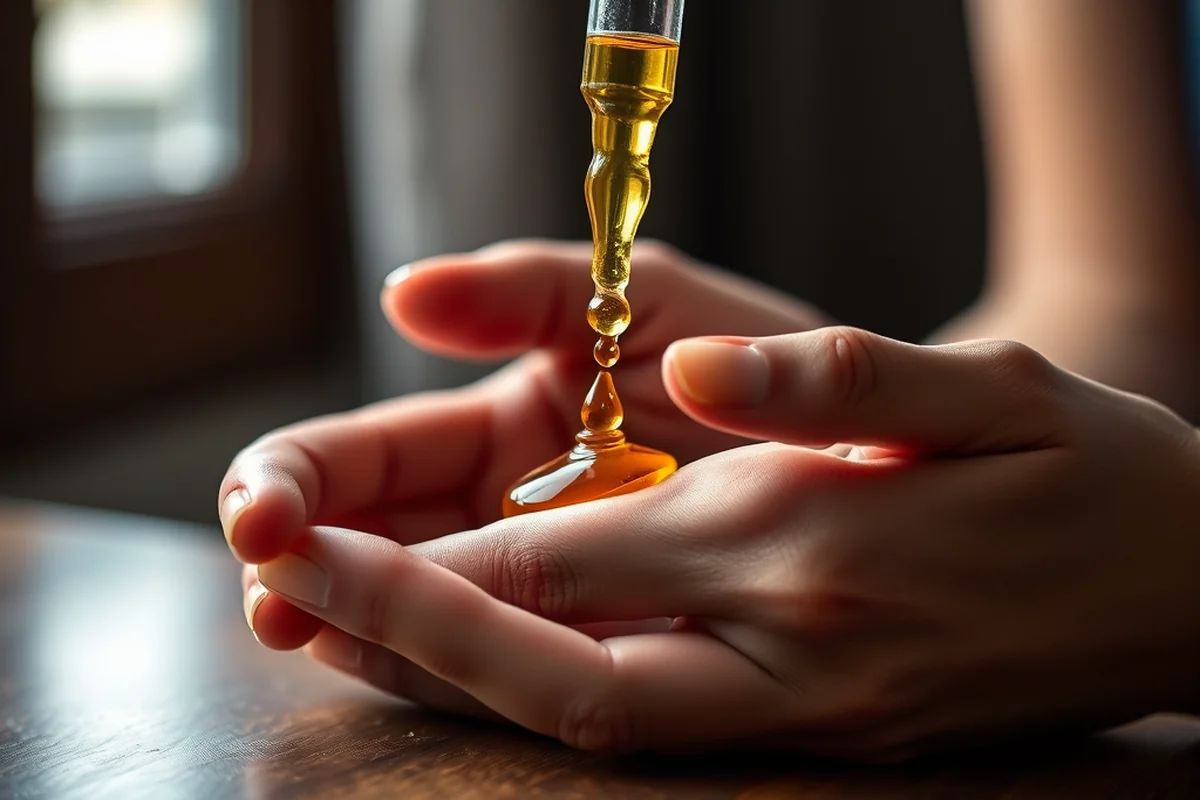
The process of natural hair dyeing is different from synthetic dyes because it relies on the natural pigments found in plants to create color. These pigments bind to the hair shaft and deposit color in a way that is less damaging to the hair. I've found that the color from natural dyes tends to fade more gradually over time, which I actually prefer because it allows the hair to maintain its natural texture and strength.
One of the key differences between natural and synthetic hair dyes is that natural dyes don’t strip the hair of its natural oils. Instead, they work with the hair’s natural structure to create a more subtle and natural-looking color. This means that the hair is less likely to become dry or brittle after dyeing. I’ve noticed that my hair feels more hydrated and softer after using natural dyes compared to synthetic ones.
Another benefit of natural hair dye is that it can be used to enhance your natural color rather than cover it up. For example, if you have naturally dark hair, using a henna-based dye can create a rich, auburn color that looks absolutely stunning in natural light. I’ve used henna on my hair for over a year now, and the color has gradually deepened over time, creating a more natural and vibrant look.
Natural hair dye enhances, it doesn’t erase.
Related: Natural best hair dye
Related: Black hair how to style
Related: Natural hair coloring techniques
What Are the Benefits of Natural Hair Dye?
One of the biggest benefits of natural hair dye is that it’s much gentler on your hair and scalp compared to synthetic dyes. I've used synthetic dyes in the past, and I can honestly say that my hair felt dry and brittle afterward. With natural dyes, I’ve noticed that my hair feels much healthier and more nourished, even after multiple applications.
Another benefit of natural hair dye is that it’s more environmentally friendly. Unlike synthetic dyes, which often contain harmful chemicals that can be difficult to dispose of, natural dyes are made from plant-based ingredients that are biodegradable and non-toxic. This means that the environmental impact of using natural hair dye is much lower, and I feel good about knowing that I’m making a more sustainable choice.
Natural hair dye is also a great option for people with sensitive scalps or those who are looking for a more natural hair care routine. I’ve found that using natural dyes has reduced the amount of irritation on my scalp, and I’ve also noticed that my hair looks healthier and more vibrant over time.
Always check the manufacturer’s instructions for the recommended application time. Leaving the dye on for too long can result in over-processing and damage to the hair.[3]
“I remember the first time I tried natural hair dye.”— Natural Hair Tying Techniques editors
Related: Should i get black hair
Related: Best hair color for gray hair
How Long Does Natural Hair Dye Last?
The longevity of natural hair dye varies depending on the type of dye and the hair’s natural color and texture. For example, henna can last anywhere from 4 to 6 weeks on naturally light hair, while it may last even longer on naturally dark hair. I’ve used henna on my hair for over a year now, and I’ve noticed that the color has gradually deepened over time, creating a more natural and vibrant look.
One of the key factors that affect how long natural hair dye lasts is the hair’s natural texture. Thicker or coarser hair tends to hold color better than finer or thinner hair. I’ve found that my hair, which is naturally medium in texture, holds color for about 4 to 5 weeks before it starts to fade.
Another factor that affects how long natural hair dye lasts is the type of water used during the washing process. Hard water can cause the color to fade more quickly, while soft water can help extend the life of the dye. I’ve noticed that washing my hair with distilled water helps the color last longer and look more vibrant.
How to Choose the Right Natural Hair Dye for You
Choosing the right natural hair dye depends on your hair type, desired color, and how often you want to reapply it. If you have naturally light hair and want a bold color, henna or indigo may be the best option. If you have naturally dark hair and want a subtle change, a low-concentration henna or a herbal blend may be more appropriate.
Another factor to consider when choosing a natural hair dye is how often you want to reapply it. If you want a more permanent change, henna or indigo may be the best option, as they tend to last longer on the hair. If you want a more temporary change, a herbal blend or a lower concentration of henna may be a better choice.
It’s also important to consider the type of water you use when washing your hair, as hard water can cause the color to fade more quickly. If you live in an area with hard water, you may want to consider using a water softener or washing your hair with distilled water to help extend the life of the dye.
How to Apply Natural Hair Dye
Applying natural hair dye is a simple process that involves preparing your hair, applying the dye, and leaving it on for the recommended amount of time. I’ve used henna on my hair for over a year now, and I’ve found that the process is actually quite straightforward. The key is to follow the manufacturer’s instructions carefully and to be patient with the process.[4]
One of the first steps in applying natural hair dye is to prepare your hair by washing it with a clarifying shampoo. This helps remove any buildup and allows the dye to penetrate the hair shaft more effectively. I’ve found that washing my hair with a clarifying shampoo before applying henna helps the color take better and last longer.
Once your hair is clean and dry, you can apply the dye using a brush or your hands. Make sure to cover all of your hair evenly, and leave the dye on for the recommended amount of time. After the time is up, rinse the dye out with warm water and follow up with a conditioning treatment to help seal the cuticle and protect the hair.
Natural hair dye is about patience and care — not just color.
What Are the Most Popular Types of Natural Hair Dye?
The most popular types of natural hair dye include henna, indigo, and herbal blends, each offering unique benefits and colors. Henna is one of the most popular natural hair dyes because it’s known for its ability to create rich, deep colors that last for weeks. Indigo is another popular choice, especially for those looking to achieve dark, black tones.
Herbal blends are also a great option for those who want to achieve a more subtle or temporary change in color. These blends often use a combination of herbs and plants to create a natural-looking color that fades more gradually over time. I’ve used a herbal blend in the past, and I was surprised at how well it worked and how natural the color looked.
Each type of natural hair dye has its own unique properties and benefits, so it’s important to choose the right one for your hair type and desired color. I’ve found that experimenting with different types of natural hair dye has helped me discover new ways to enhance my natural color and create a more personalized look.
🌸 Sensitive Skin
Gentle, low-irritation options that avoid harsh chemicals for those with sensitive scalps or skin.
💰 Budget-Friendly
Cost-effective natural hair dye options that still deliver rich, long-lasting color.
🧘 Minimalist
Simple, no-fuss hair dye routines that focus on natural color enhancement without over-processing.
🎯 Targeted
Options for highlighting or coloring specific sections of hair without affecting the entire head.
🔄 Maintenance
Products designed for frequent use or touch-ups that maintain your desired color over time.
| The mistake | Why it happens | The fix |
|---|---|---|
| Using too much henna or indigo | Using too much henna or indigo can cause the hair to become overly dry or brittle, and the color may not look natural. | Always follow the manufacturer’s instructions for the recommended amount of dye, and avoid using more than necessary. |
| Not washing the hair properly before applying the dye | Not washing the hair properly before applying the dye can lead to uneven color or poor adhesion of the pigment. | Wash your hair with a clarifying shampoo before applying the dye to ensure that the hair is clean and free of buildup. |
| Leaving the dye on for too long | Leaving the dye on for too long can cause over-processing and damage to the hair, leading to dryness and breakage. | Always follow the manufacturer’s instructions for the recommended application time, and avoid leaving the dye on for longer than necessary. |
| Using hard water to wash the hair | Hard water can cause the color to fade more quickly and may make the hair feel dry or brittle. | Use distilled water or a water softener when washing your hair to help extend the life of the dye and keep the hair looking healthy. |
What Is Natural Hair Dye
Common Questions
Is natural hair dye safe for all hair types?
How long does natural hair dye last on the hair?
Can natural hair dye damage the hair?
What are the best natural hair dyes for fine or thin hair?
References
- Oral History Interview Darnella McGuire Nelson - AlexandriaVA.Gov (alexandriava.gov)
- Analyzing the landscape of “clean” products for textured hair at a ... (pmc.ncbi.nlm.nih.gov)
- Allergens in Cosmetics - FDA (fda.gov)
- 21 CFR Part 70 -- Color Additives - eCFR (ecfr.gov)
Cite this guide
Natural Hair Tying Techniques (2026). What Is Natural Hair Dye. https://knotgrow.com/what-is-natural-hair-dye/
Feel free to cite or share this guide.