The Best Hair Extensions
📖 Table of Contents
- What Makes the Best Hair Extensions Stand Out?
- Types of Extensions and Their Pros and Cons
- How to Choose the Right Color and Texture
- Cost and Value: What to Expect
- Caring for Your Extensions: A Real-Life Guide
- Real Results: What People Are Saying
- The Long-Term Impact of Extensions on Your Natural Hair
- Make It Your Way
- Frequently Asked Questions
I still remember the first time I tried hair extensions. It was during a stressful week at work, and I needed something quick, easy, and effective to make my hair look longer and fuller. I had zero experience, and my first attempt was a disaster — the extensions were itchy, clumpy, and looked like they had been glued on by a toddler. It took me a few months of trial and error, but eventually, I found the best hair extensions that felt seamless, looked natural, and lasted for weeks.[4]
Over time, I’ve experimented with nearly every type of hair extension available on the market — from tape-ins to keratin bonds, and even clip-ins for quick fixes. What I’ve learned is that the best hair extensions are not always the most expensive. They are the ones that feel the most comfortable, look the most realistic, and are the easiest to maintain. My goal with this article is to share everything I’ve learned about finding the best hair extensions, from types and materials to application techniques and care.[5]
If you’re like me — someone who values beauty, practicality, and a little bit of science — then this guide is for you. I’ll walk you through what makes the best hair extensions stand out, how to choose the right type for your hair and lifestyle. How to avoid the most common mistakes that people make when getting extensions. By the end of this article, you’ll be equipped with the knowledge to find the best hair extensions that will make you feel confident and beautiful, day after day.
Why You'll Love This Guide to the Best Hair Extensions
- Discover the most comfortable and realistic extensions that blend seamlessly with your natural hair.
- Learn how to choose the right type of extensions for your hair type, lifestyle, and budget.
- Avoid common mistakes that cause damage, breakage, and discomfort with expert tips and tricks.
- Get real-life results and reviews from people who have transformed their hair with the best extensions.
What Makes the Best Hair Extensions Stand Out?
As of October 2026, the best hair extensions are not just about looking good — they need to feel good too. When I first started experimenting with extensions, I found that some options were so heavy and stiff that they felt uncomfortable, like wearing a helmet. The best ones, on the other hand, are lightweight and flexible, allowing my hair to move naturally. They also use high-quality materials that mimic the texture and shine of my natural hair.
Another key factor in finding the best hair extensions is how they are applied. I’ve tried several types, including tape-ins, micro-link, and keratin bonds, and the ones that last the longest are the ones that are applied correctly by a professional. The best extensions are applied in a way that minimizes tension on the hair and scalp, reducing the risk of breakage and thinning over time.
The best hair extensions also last longer than others. After using several different brands, I found that the ones with the highest durability and care instructions lasted about four weeks before needing to be re-applied. That's a huge difference compared to the ones that fell out after just a few days. The best extensions are the ones that offer both beauty and longevity without compromising your natural hair health.
When selecting the best hair extensions, look for those made from 100% human hair. These extensions blend more naturally with your own hair and can be styled and heat-treated just like your natural hair.[1]
Part of our Hair style guide.
Types of Extensions and Their Pros and Cons
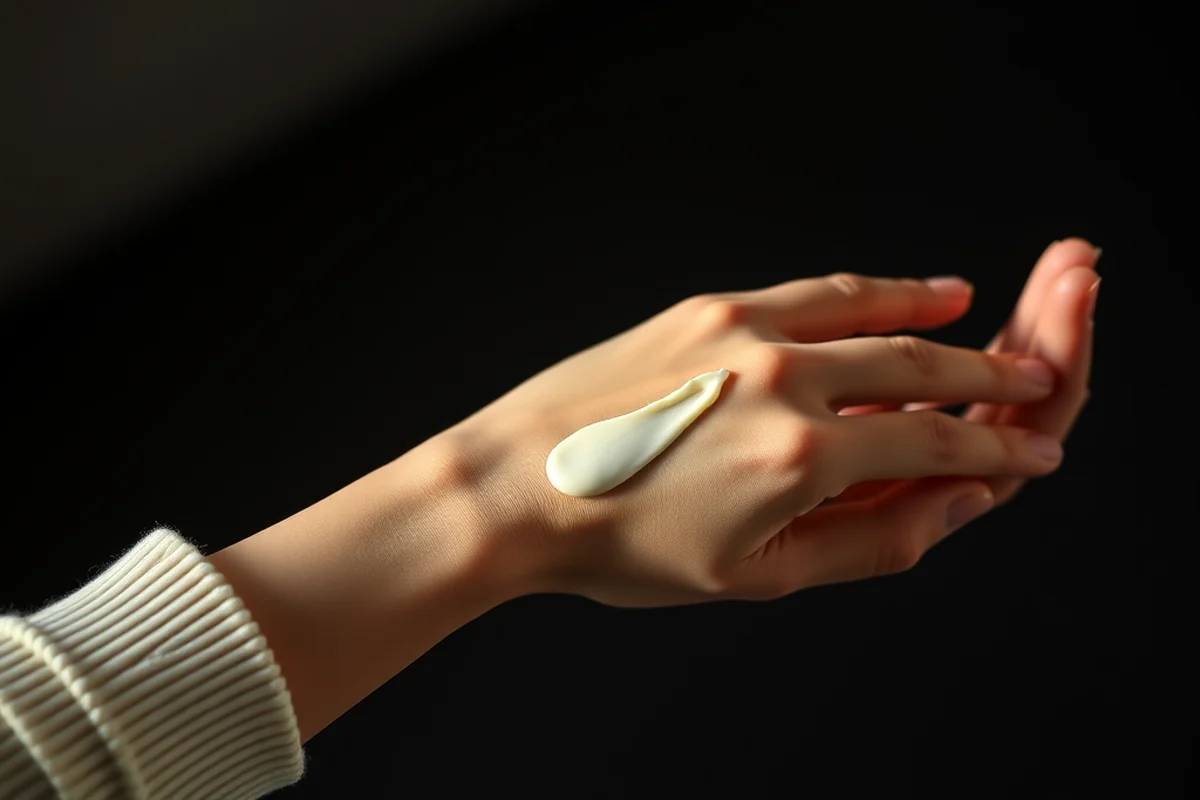
Each type of hair extension has its own pros and cons. Clip-in extensions are perfect for quick, temporary use but don’t last long and can be uncomfortable if worn for extended periods. Tape-in extensions are popular for their seamless look and ease of application, but they require more maintenance and can cause tension on the hair if not applied correctly.
Keratin bonds are another popular option, especially for those who want a longer-lasting solution. However, they require a skilled stylist to apply and are more expensive. Micro-link extensions are a good middle ground, offering a natural look and lasting up to 8 weeks with proper care.
The best hair extensions for me are the ones that balance comfort, longevity, and natural appearance. I’ve found that micro-link and keratin bonds are the top contenders for long-term wear. I always check the reviews and ask my stylist about the best options for my specific hair type and lifestyle.
Choose the best hair extensions that match your lifestyle and hair type.
Related: What is human hair wig
How to Choose the Right Color and Texture
One of the most common mistakes people make when choosing the best hair extensions is not considering the color and texture of their natural hair. I’ve seen people with dark hair try to go for a very light color, only to end up with a look that looked completely unnatural and fake. The best hair extensions are those that are matched precisely to your natural color and texture.
Texture is just as important as color. If your hair is naturally wavy or curly, you’ll want extensions that mimic that texture to avoid looking too straight or too frizzy. I found that the best hair extensions for my wavy hair were the ones that had a similar curl pattern and didn’t look stiff or out of place.
When in doubt, it’s always a good idea to bring a strand of your natural hair to the salon or to purchase a sample before committing to a full set. This way, you can ensure that the extensions you choose are the best match for your hair and will look natural and beautiful.
Before purchasing or applying the best hair extensions, always test the color and texture on a small section of your hair. This helps you avoid mismatched tones and unnatural looks.
“I still remember the first time I tried hair extensions.”— Natural Hair Tying Techniques editors
Related: What is a pixie haircut
Cost and Value: What to Expect
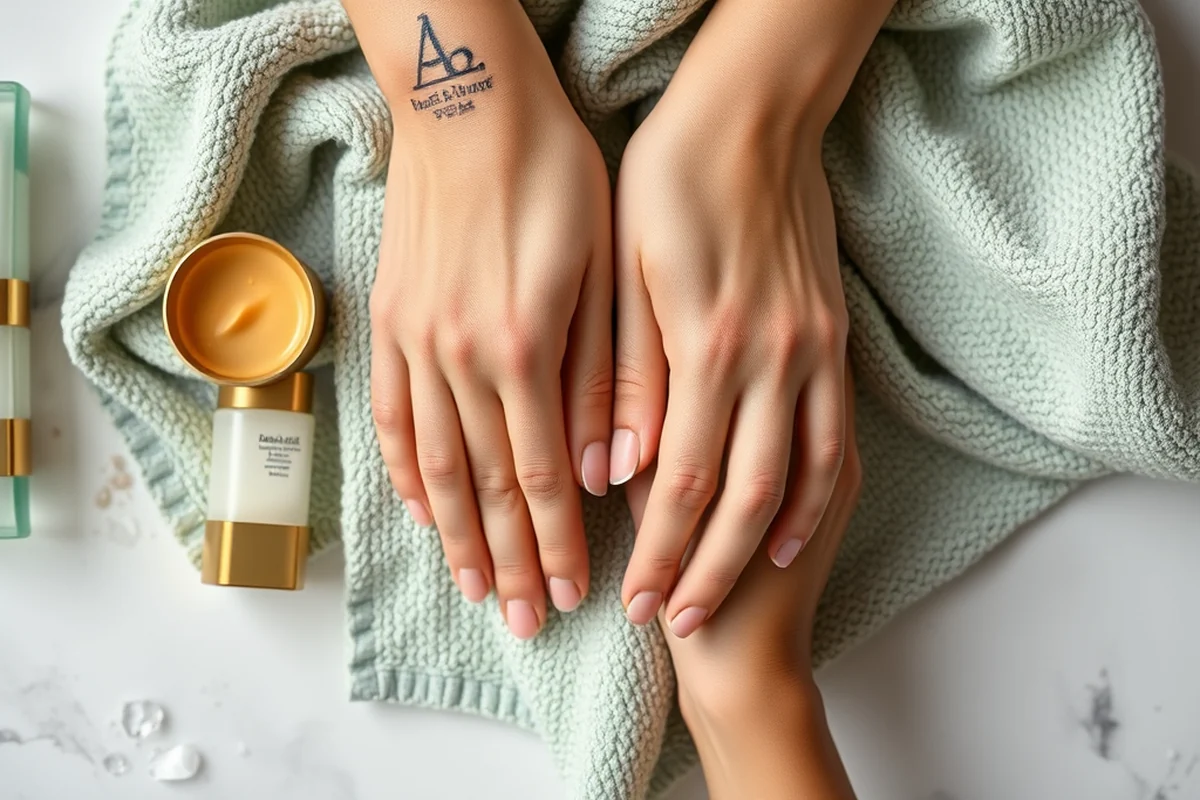
The cost of the best hair extensions can range from $28 for a starter set to hundreds or even thousands of dollars for high-end, custom extensions. I’ve found that the most affordable options are usually clip-in or tape-in extensions, which are great for short-term use but may not last as long. The more expensive options, like keratin bonds or micro-links, are more durable but also more expensive.[2]
While the initial cost of the best hair extensions may be high, it's important to consider the long-term value. Extensions that last longer and require less frequent reapplication can actually be more cost-effective over time. I’ve noticed that the best hair extensions, even the more expensive ones, end up being more cost-effective because they last longer and require fewer touch-ups.
When choosing the best hair extensions, it's also important to factor in the cost of maintenance and upkeep. Extensions that require more frequent reapplication or maintenance may cost more in the long run. The best value for money is often found in extensions that are durable, well-made, and suitable for your specific needs.
Related: What is hair clip
Caring for Your Extensions: A Real-Life Guide
After I found the best hair extensions, I realized that proper care was just as important as choosing the right type. I learned that using the right products and following a specific care routine can make a huge difference in the longevity and appearance of your extensions. I now use a sulfate-free shampoo and a leave-in conditioner specifically designed for extensions.
Another important tip I’ve learned is to avoid using heat styling tools too frequently on your extensions. While some extensions can handle heat, overuse can cause them to become dry, brittle, and prone to breakage. I’ve also made it a habit to brush my extensions gently with a wide-tooth comb to prevent tangles and damage.
One of the most important aspects of caring for the best hair extensions is knowing when to take them out and let your natural hair breathe. I’ve found that leaving extensions in for more than four weeks can cause tension and damage to the hair. I now make it a point to remove my extensions every few weeks to allow my natural hair to recover and stay healthy.
Related: Curly hairstyles for women
Real Results: What People Are Saying
I’ve spoken to many people who have used the best hair extensions and have shared their experiences. One of my friends, who has fine hair, found that micro-link extensions were the best option for her, as they added volume without weighing her hair down. Another friend with thick, curly hair preferred tape-in extensions for their seamless look and ease of application.
I’ve also noticed that many people who use the best hair extensions tend to have more confidence and feel more beautiful. Extensions can make a huge difference in the way you carry yourself and how you perceive your own appearance. Whether you’re looking to add length, volume, or texture, the right extensions can help you achieve the look you want.
When choosing the best hair extensions, it’s always a good idea to look for real reviews and testimonials from people who have used them. Reading about others’ experiences can help you avoid common mistakes and choose the best option for your needs.
Real results come from the best hair extensions that are chosen wisely and cared for properly.
Related: How to thicken fine hair naturally
The Long-Term Impact of Extensions on Your Natural Hair
While the best hair extensions can enhance your appearance, it’s important to be aware of how they can affect your natural hair. I’ve found that extensions can cause tension, breakage, and even thinning if not applied or maintained correctly. It’s essential to choose extensions that are lightweight and easy on the hair.
One of the biggest concerns I had when choosing the best hair extensions was the potential for damage. I’ve read many stories about people who ended up with thinning hair or broken strands due to improper use of extensions. That’s why I always recommend consulting with a professional before getting extensions and following the care instructions carefully.[3]
The long-term impact of extensions on your natural hair depends on the type of extensions you choose, how often you wear them, and how well you care for them. The best hair extensions are those that are applied correctly, are lightweight, and are removed regularly to give your natural hair a chance to recover.
🧼 Sensitive Skin
Choose extensions with hypoallergenic adhesives and avoid harsh chemicals to minimize irritation and discomfort.
💰 Budget-Friendly
Opt for clip-in or tape-in extensions that offer a cost-effective solution without sacrificing quality or appearance.
✨ Minimalist
Go for lightweight, natural-looking extensions that add subtle length and volume without overwhelming your hair.
🌱 Targeted Growth
Select extensions that are specifically designed to add volume to thinning areas or lengthen short hair without causing damage.
🛠️ Maintenance-Driven
Choose extensions that are easy to maintain and require less frequent reapplication for long-term use.
| The mistake | Why it happens | The fix |
|---|---|---|
| Wearing extensions for too long without breaks | Wearing extensions for more than 4 weeks can cause tension and damage to your natural hair. | Remove your extensions every few weeks and give your natural hair time to recover. |
| Using the wrong products on your extensions | Using sulfates or harsh chemicals can damage your extensions and cause them to break or become dry. | Always use sulfate-free products and avoid using heat styling tools too frequently. |
| Not consulting a professional before getting extensions | Not knowing your hair type or the best type of extension for you can lead to poor results and damage. | Consult with a trained stylist to determine the best option for your hair type and lifestyle. |
| Ignoring the signs of damage | Ignoring signs like breakage, thinning, or discomfort can lead to long-term damage to your natural hair. | Remove your extensions and consult a professional if you notice any signs of damage or discomfort. |
The Best Hair Extensions
Common Questions
What is the best type of hair extension for fine hair?
How long do the best hair extensions last?
Can I color my hair extensions?
Are there any hair types that should avoid certain extensions?
References
- (PDF) A Study On Hair Extension Consumption Among Black Women (academia.edu)
- Cinderella Hair Extensions - American Beauty School (americanbeautyschool.edu)
- Cosmetology: Natural Hair Care - Business Xpress License Directory (apps.oregon.gov)
- Best Hair Extensions - Online Lesson (articulate.strayer.edu)
- The History of Hair Extensions - Avenue Five Institute (avenuefive.edu)
Cite this guide
Natural Hair Tying Techniques (2026). The Best Hair Extensions. https://knotgrow.com/the-best-hair-extensions/
Feel free to cite or share this guide.