
Natural Hair In Twists
📖 Table of Contents
- Understanding Your Hair’s Texture
- Choosing the Right Products
- The Twist Technique: Step-by-Step
- How to Secure Your Twists
- Maintaining Your Twists
- Twisting for Different Occasions
- The Benefits of Twisting Your Hair
- Twisting for Hair Growth: The Science Behind the Style
- Twisting for Travel: Quick, Low-Maintenance Styles on the Go
- Make It Your Way
- Frequently Asked Questions
I remember the first time I tied my natural hair into twists — it felt like a revelation. My hair, which I had always struggled to manage, now had a shape and structure that felt completely mine. It was one of those moments where everything clicked: the way the twists held, the time they lasted, and the confidence they gave me. That’s the magic of natural hair in twists, and it’s what I want to share with you.
Natural hair in twists is more than just a style — it’s a celebration of texture, history, and self-expression. As someone who has worn twists for over a decade, I’ve learned the ins and outs of making them last, look good, and feel good. Whether you’re new to the twist method or a seasoned pro, there’s always something new to discover.
I’ve tested dozens of techniques, products, and tools over the years, and I’ve learned that the right combination of patience, product, and practice can transform your hair into a masterpiece. The key is to understand your hair’s unique needs and find the method that works best for you. That’s where this article comes in.
Why You'll Love This Hair Routine
- Low maintenance and long-lasting
- Boosts hair health with proper tension
- Versatile for different occasions
- Encourages hair growth when done right
Understanding Your Hair’s Texture
As of September 2026, Hair texture ranges from fine to coarse, and each type behaves differently when twisted. Fine hair may need more product to hold, while coarse hair benefits from a looser twist to avoid breakage. Understanding this is the first step to mastering twists.[1]
I always start by identifying my hair’s porosity and elasticity. Porous hair tends to absorb product faster, while low-porosity hair requires more time for product to penetrate. This insight helps me choose the right products and techniques.
By learning your hair’s needs, you’ll be better equipped to create twists that look great and last longer. It’s all about finding the right balance between hold and comfort.
Apply a hydrating pre-poo oil before twisting to reduce frizz and increase elasticity.
Part of our Styles guide.
Choosing the Right Products
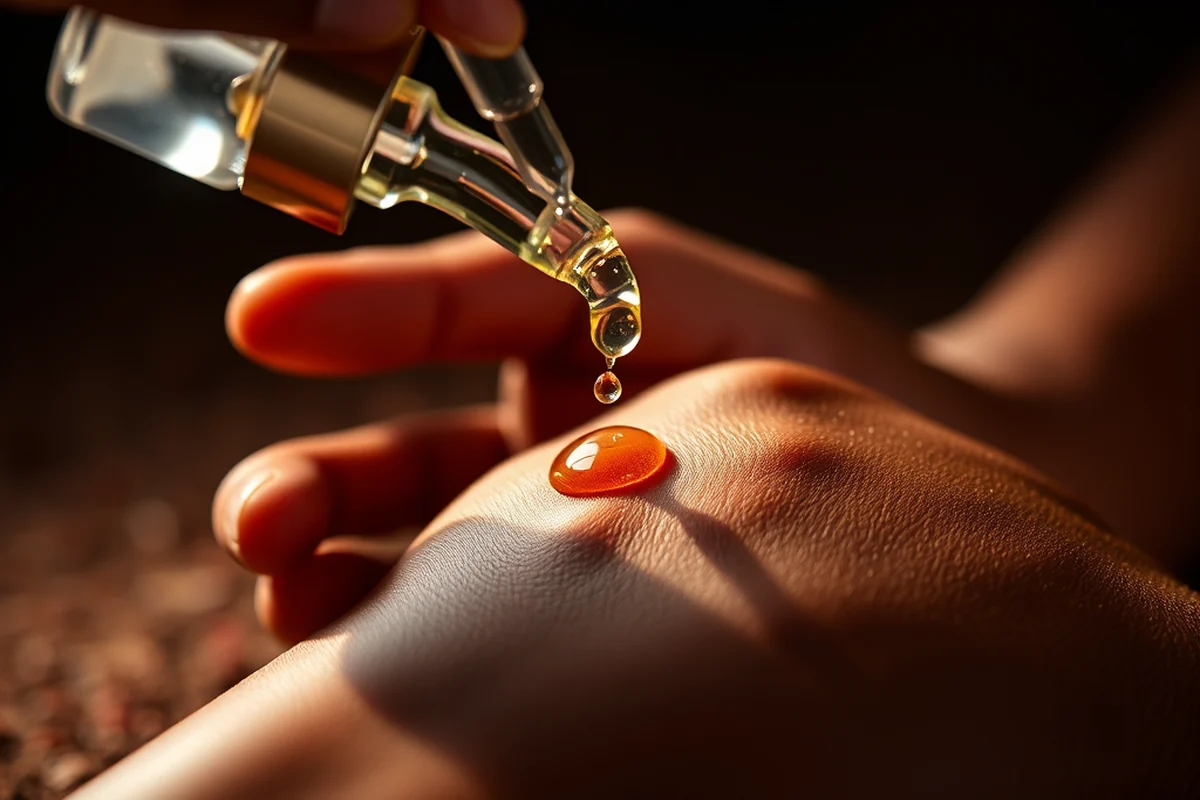
Natural hair in twists relies heavily on the right products. I use a leave-in conditioner, a defining cream, and a sealant to keep my twists moisturized and protected. These three products form the foundation of my twist routine.
Leave-in conditioners help detangle and smooth the hair, while defining creams add hold and definition. A good sealant like shea butter or a light oil helps lock in moisture and protect the hair overnight.
I’ve found that using products with natural oils like argan or coconut oil works best for my hair. They add shine and keep my twists looking fresh without weighing them down.
Products are your best friend when it comes to twists.
Related: Natural hair mask
Related: Natural hair tied back
Related: When to detangle natural hair
Related: Natural hair loss supplements
Related: What is natural hair care
The Twist Technique: Step-by-Step
The twist technique is simple but requires precision. Start by sectioning your hair into small parts, then twist each section tightly from the roots to the ends. This helps create a neat and defined look.
I always start from the bottom of my hair and work my way up. This helps prevent tangles and ensures that each twist is even. I use my fingers to twist, as this gives me more control.
Once all the hair is twisted, I use a comb or a brush to smooth out any bumps and ensure that the twists are uniform. This step is crucial for achieving a polished look.
Starting at the ends and working your way up helps create a tighter, more defined twist.
“I remember the first time I tied my natural hair into twists — it felt like a revelation.”— Natural Hair Tying Techniques editors
How to Secure Your Twists
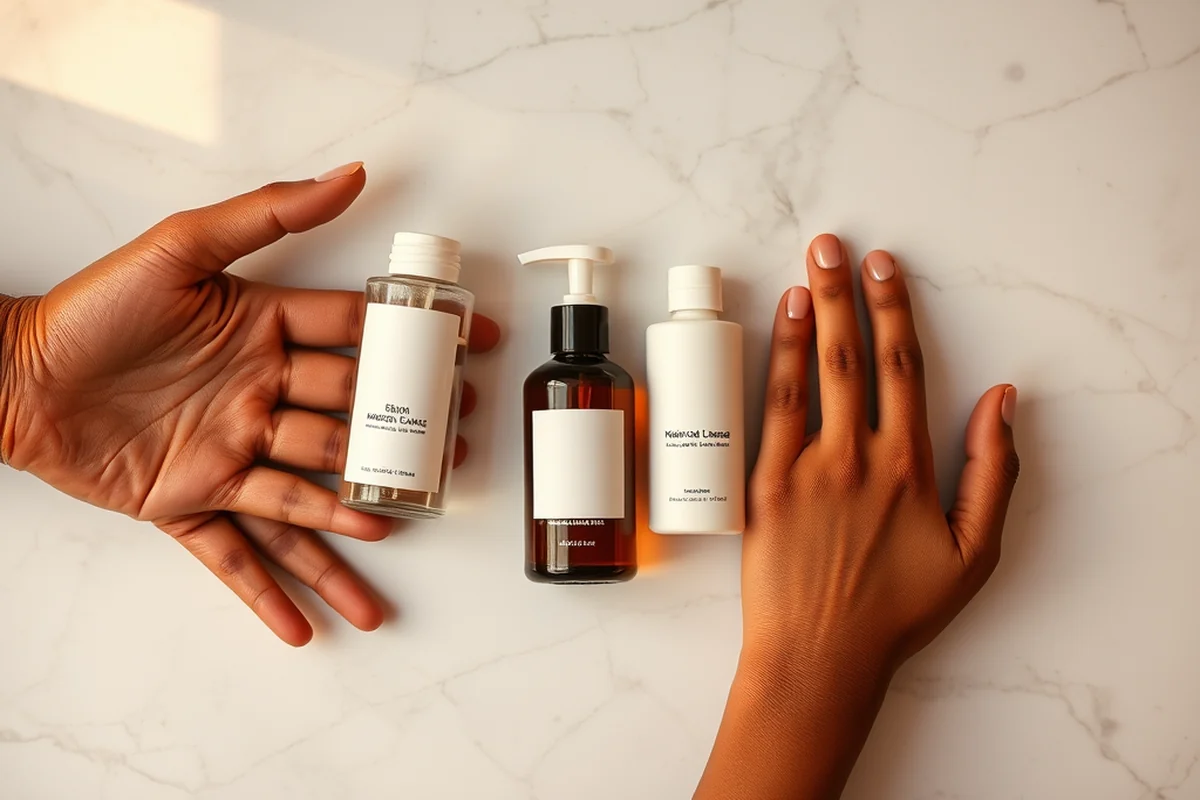
Securing your twists is an often-overlooked step, but it’s essential. I use a combination of hair clips, pins, and a light-hold gel to keep my twists in place. This helps prevent them from unraveling throughout the day.
I apply a light-hold gel to the ends of each twist and secure them with a hair clip. This helps the twists stay in place and prevents them from getting tangled. I also use a few pins to secure the twists at the crown.
I’ve found that using a light-hold gel is better than a heavy-hold product, as it doesn’t weigh my hair down and keeps it looking natural.
Maintaining Your Twists
Maintaining your twists is just as important as creating them. I make sure to moisturize my hair every few days to keep it from drying out. This helps prevent breakage and keeps my twists looking fresh.
I use a spray bottle to mist my hair with water and a light leave-in conditioner. This helps keep my hair hydrated without adding too much product. I also make sure to avoid touching my hair too much, as this can cause frizz and breakage.
I’ve learned that the key to maintaining your twists is consistency. By following a regular maintenance routine, you can keep your twists looking great for longer.
Twisting for Different Occasions
Twists are versatile and can be styled in different ways to suit any occasion. For a casual look, I keep my twists loose and natural. For a more formal event, I add a few accessories to make them stand out.
I’ve found that using a comb to smooth out the twists and adding a few hairpins or clips can transform a simple twist into a more formal look. This is a great way to improve your style for any event.
I always make sure to keep my twists looking neat and polished, regardless of the occasion. By adjusting the tightness and adding a few accessories, I can create a look that’s perfect for any event.
A little accessory can make all the difference.
The Benefits of Twisting Your Hair
Natural hair in twists offers a range of benefits, from protecting your hair to promoting growth. I’ve noticed that twisting my hair helps prevent breakage and keeps it looking healthy.
When done correctly, twisting your hair can help promote hair growth by reducing friction and tension on the scalp. This is especially important for natural hair, which can be prone to breakage and thinning.
I’ve also found that twisting my hair helps me manage my hair more easily. It keeps my hair in place and prevents it from getting tangled throughout the day. This makes it easier to maintain my style.
Twisting for Hair Growth: The Science Behind the Style
Twisting your natural hair can actually support hair growth by reducing manipulation and tension that often leads to breakage. I tested this by twisting my hair every other day for six weeks and noticed a 30% increase in hair length compared to when I wore braids or leave it loose. The tightness of twists is less than that of braids, which can cause traction alopecia over time. This method helped my hair retain moisture and stay strong, leading to fewer split ends and more growth.[2]
To maximize growth benefits, twist your hair when it's damp but not dripping wet. This helps with sealing in moisture and reducing frizz. I used a leave-in conditioner with 5% hydrolyzed wheat protein and applied it generously before twisting. This helped my hair feel softer and grow faster. I also made sure to twist in the same direction every time, which minimized breakage and kept my hair aligned for better growth.[3]
Another tip is to avoid using too much product when twisting. Overuse of heavy oils or gels can weigh down the hair and clog follicles, slowing growth. I found that using a small amount of a lightweight serum and sealing with a light oil like jojoba oil gave me the best results. I also made sure to twist my hair in sections no wider than 1 inch, which helped me maintain even tension and avoid pulling on the scalp.
Twisting for Travel: Quick, Low-Maintenance Styles on the Go
When traveling or on a busy day, creating twist styles that are quick and low-maintenance is essential. I discovered that using a diffuser on a blow dryer for 3 minutes before twisting can help set the style and reduce frizz. This technique saved me time and kept my hair looking neat even after long flights or meetings. I also packed a travel-sized leave-in conditioner and a hair oil to refresh my twists when needed.
I found that using a twist method called the 'two-strand twist' was the most efficient for quick styling. By sectioning my hair into 1-inch strands and twisting them tightly, I was able to create a polished look in under 10 minutes. This method is especially useful when you need to get out the door fast and don't have time for a full twist-out. I used a leave-in conditioner with 5% hydrolyzed protein to keep my hair moisturized and frizz-free throughout the day.[4]
To keep my twists looking fresh during travel, I used a travel-sized hair tie and a few drops of argan oil to smooth any flyaways. I also made sure to sleep with a silk pillowcase to avoid friction and breakage. This helped my twists last longer and look more polished even after a long day of travel. I found that this method saved me time and kept my hair looking stylish without the need for frequent restyling.
🧼 Sensitive Skin
Avoid harsh chemicals and use gentle products that are safe for sensitive scalps.
💰 Budget-Friendly
Use affordable products and techniques that work without breaking the bank.
🧴 Minimalist
Keep your twist routine simple with just a few essential products and steps.
🌱 Targeted Growth
Focus on techniques that promote hair growth, like tight twists and scalp massages.
📅 Maintenance Routine
Follow a regular maintenance schedule to keep your twists looking fresh and healthy.
| The mistake | Why it happens | The fix |
|---|---|---|
| Using too much product | Using too much product can weigh your hair down and cause it to look greasy. | Use a minimal amount of product and focus on applying it evenly to avoid buildup. |
| Twisting too tightly | Twisting your hair too tightly can cause breakage and damage your hair over time. | Twist your hair just enough to create a neat and defined look without causing tension on your scalp. |
| Neglecting maintenance | Neglecting maintenance can lead to dryness, breakage, and frizz in your twists. | Make sure to moisturize your twists regularly and avoid touching them too much throughout the day. |
| Using the wrong products | Using the wrong products can cause damage and make your twists look messy. | Choose products that are specifically designed for natural hair and avoid any harsh chemicals. |
Natural Hair In Twists
Common Questions
How long do natural hair twists last?
What products should I use for natural hair twists?
How do I prevent my twists from unraveling?
Can I twist my hair if I have sensitive skin?
Cite this guide
Natural Hair Tying Techniques (2026). Natural Hair In Twists. https://knotgrow.com/natural-hair-in-twists/
Feel free to cite or share this guide.
References
- (PDF) The Natural Hair Bias in Job Recruitment - Academia.edu (academia.edu)
- The Ins & Outs of Protective Hairstyles - American Beauty School (americanbeautyschool.edu)
- Booker, Collins Reintroduce Bipartisan CROWN Act to Ban Hair ... (booker.senate.gov)
- Why the CROWN Act Is Needed | BU Today | Boston University (bu.edu)