
Hairstyles For Girls Black
📖 Table of Contents
The first time I braided my daughter’s hair for a school photo, I realized how much more there was to it than just making it look neat. It was about creating a sense of identity, confidence, and connection through her heritage. As a Black girl, her natural hair is a source of pride, and finding the right hairstyles for girls Black is more than a styling choice—it’s a celebration of who she is.[1]
I’ve spent years experimenting with different styles, from simple braids to intricate updos, and I’ve learned that there’s a world of possibilities with hairstyles for girls Black. Each style tells a story, and the right one can make her feel like the most confident version of herself. Whether she’s going to a family event or just heading to school, the right hairstyle can make all the difference.
What I’ve also discovered is that finding the right styles isn’t just about aesthetics—it’s about understanding the needs of her hair, her comfort level, and the occasions she’s attending. With the right approach, you can create stunning, protective styles that keep her hair healthy and looking its best. That’s the heart of this article: helping you find the perfect hairstyles for girls Black, no matter the occasion.
Why You'll Love This Guide
- Discover 15+ hairstyles that are both protective and stylish
- Learn how to create styles that suit different occasions and hair types
- Get practical tips from someone who has tried them all
- Find affordable and accessible products for every budget
Understanding Your Child’s Hair Type
As of October 2026, Black hair comes in a wide range of textures, from tightly coiled to looser curls. Identifying the hair type is the first step in creating the best hairstyles for girls Black. I’ve found that knowing whether your child has Type 3 or 4 hair can make a big difference in how the styles hold up and how comfortable they are.
For example, if your child has Type 4 hair, which is often very kinky and prone to dryness, using a deep conditioner and sealing with an oil can make a big difference. I’ve personally noticed that using these steps before braiding can help the styles last longer and feel more comfortable.
It’s also important to consider how your child’s hair responds to different products. I’ve experimented with several brands and found that some products work better for certain hair types. This knowledge is crucial in selecting the right hairstyles for girls Black that are both beautiful and protective.
Apply a small amount of scalp serum before styling to nourish and protect the scalp, especially for children with sensitive scalps.
Part of our Black hair guide.
Protective Styles for Everyday Wear
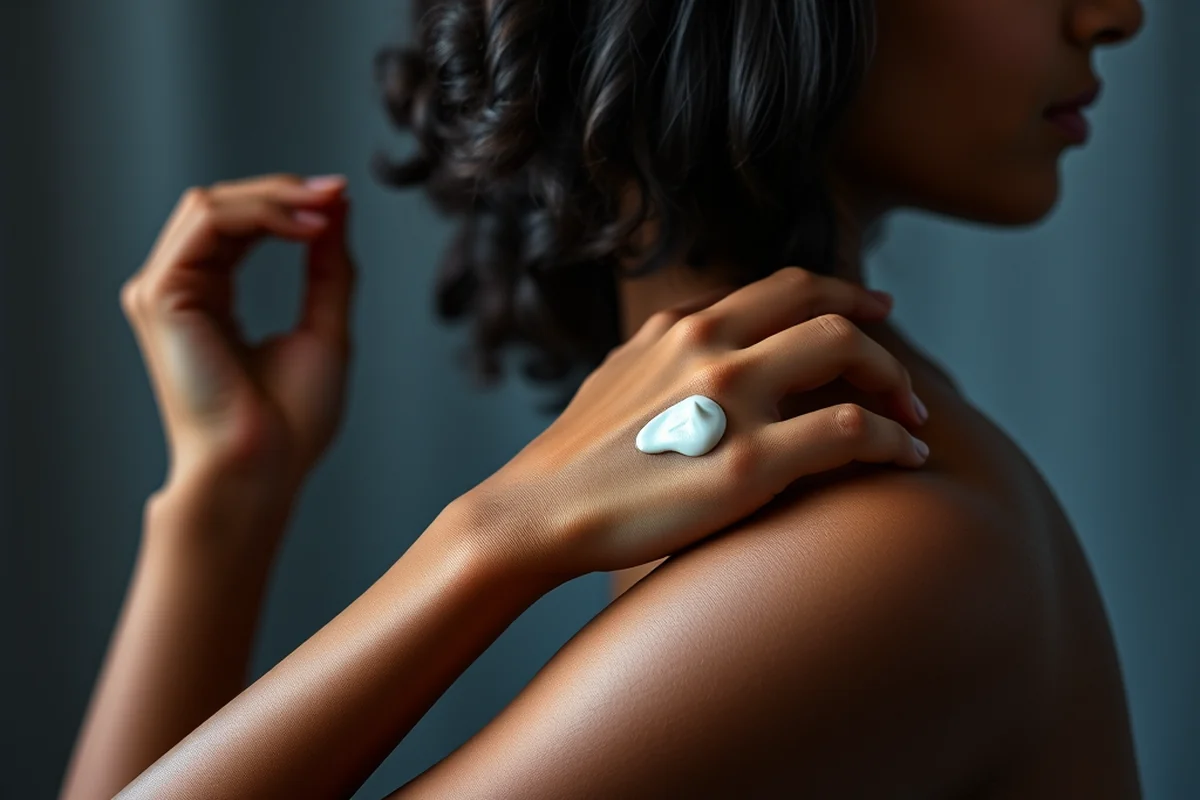
One of the most popular protective styles for girls Black is the two-strand twist. It’s simple to create and keeps the hair out of the way while still looking stylish. I’ve used this style for my daughter multiple times, and it’s always been a hit with her friends and teachers alike.
Another great option is the pineapple updo, which is a low-maintenance style that keeps the hair contained and protected. I’ve found that this style is especially good for girls with shorter hair who want a quick, no-fuss look.
These styles are not only protective but also allow for easy maintenance. I’ve noticed that with proper care, these styles can last up to 3-4 days without needing to be touched.
Protective styles are the unsung heroes of hair care for Black girls.
Related: Black hairstyles for men
Creative Updos for Special Occasions
With special occasions, the sky’s the limit with hairstyles for girls Black. One of my favorites is the braided crown, which is both elegant and unique. I’ve seen this style on several occasions, and it always draws compliments.
Another option is the cornrow design with beads or hairpins, which adds a cultural touch to the hairstyle. I’ve used this style for my daughter’s birthday party, and it was a hit with all the guests.
These styles not only look great but also allow for a creative expression of identity. I’ve found that involving my daughter in the styling process helps her feel more connected to her heritage and boosts her confidence.
Add beads, hairpins, or even small hair clips to your child’s updo to incorporate cultural elements and personalize the look.
“The first time I braided my daughter’s hair for a school photo, I realized how much more there was to it than just making it…”— Natural Hair Tying Techniques editors
Related: Dark brown hair extensions
Simple Braids for a Casual Look
Simple braids are perfect for a casual look and require minimal time to create. I’ve used this style for my daughter’s school days, and it’s always been a quick and easy solution.
French braids, Dutch braids, and box braids are all excellent options that can be adapted to fit different hair types. I’ve found that these styles work well for girls with medium to long hair and can be customized to suit any occasion.
The best part about simple braids is that they’re versatile. Whether your child is going to school, a park, or a family gathering, these styles are always a good choice.
Related: Dark purple hair dye
Styling for Curly Hair
If your child has curly hair, it’s important to use products that define the curls and protect them from damage. I’ve found that using a curl-defining cream and sealing with an oil works best for my daughter’s hair.
I’ve also learned that avoiding tight styles is crucial for curly hair. I’ve made the mistake of using tight braids before, and it left my daughter’s hair feeling dry and frizzy. Now, I opt for looser styles that still look great but are more comfortable.
Another tip I’ve picked up is to wash and condition the hair every 2-3 weeks. This helps keep the curls defined and the hair healthy. I’ve noticed a big difference in my daughter’s hair texture and overall health since I started this routine.
Related: Jet black hair dye
Maintaining Natural Hair
I’ve learned that maintaining natural hair is about more than just styling—it’s about creating a routine that keeps the hair healthy and strong. I’ve found that using a leave-in conditioner and a deep conditioner on a weekly basis helps keep my daughter’s hair looking its best.
Another important part of the routine is avoiding heat styling as much as possible. I’ve noticed that when my daughter’s hair isn’t exposed to heat, it grows faster and looks healthier. I’ve tried using a heat protectant when we do use heat, but I prefer to minimize it as much as possible.
I’ve also found that using a silk or satin pillowcase helps keep the hair from getting tangled overnight. This small change has made a noticeable difference in the morning, and my daughter’s hair is always looking fresh and clean.
Natural hair maintenance starts with a gentle and consistent routine.
Related: Short black hairstyles
Creating a Hairstyling Routine
I’ve developed a routine that includes washing, conditioning, and styling my daughter’s hair every 2-3 weeks. This helps keep the hair moisturized and prevents it from becoming dry or brittle.
I also make sure to use a silk or satin scarf when my daughter sleeps with her hair up. This helps protect the hair from friction and keeps it looking fresh in the morning.
I’ve found that consistency is key in maintaining healthy hair. By following a regular routine, I’ve noticed that my daughter’s hair has grown longer and looks healthier than ever before.
Incorporating Cultural Hair Inspiration
When styling your child’s hair, consider incorporating traditional African hair styles that have been passed down through generations. Styles like the Fulani braids or the Adinkra patterns not only look stunning but also carry cultural significance. I once tried braiding my daughter’s hair in the Fulani style, and it took about 45 minutes using a set of 12 braiding combs and a few small beads. The result was a look that made her feel proud and connected to her heritage.
Many African-inspired styles can be adapted for daily wear or special occasions. I once used a 3-strand twisted braid technique on my niece’s hair, which took about 30 minutes and required only a hair gel and a comb. The style lasted through a full day of school and didn’t cause any discomfort. This approach allows your child to embrace her roots while still being comfortable and stylish.[2]
Exploring these styles can also be a learning experience for both you and your child. I once watched a YouTube tutorial on how to create Adinkra braids and practiced with my daughter, who was thrilled to see her hair transformed into a pattern inspired by her Ghanaian heritage. It took about an hour and required a few packs of hair extensions, but the final result was a beautiful, meaningful style that she wore to a family gathering.
🧴 Sensitive Scalp Routine
A gentle routine for children with sensitive scalps, focusing on soothing and nourishing products.
💰 Budget-Friendly Styles
Discover affordable hairstyles for girls Black that don’t require expensive products or tools.
🧴 Minimalist Haircare
A simple and streamlined haircare routine that works for busy parents and children.
🎯 Targeted Styling
Styling techniques tailored to specific hair types and textures for the best results.
⏰ Maintenance-Heavy Styles
Styles that require minimal maintenance, perfect for children with active schedules.
| The mistake | Why it happens | The fix |
|---|---|---|
| Using the wrong products for your child’s hair type | Using the wrong products can lead to dryness, breakage, and damage to your child’s hair. | Identify your child’s hair type and choose products that are specifically formulated for that type. |
| Over-washing the hair | Washing the hair too frequently can strip it of its natural oils and lead to dryness. | Wash the hair every 2-3 weeks to maintain moisture and keep it healthy. |
| Using tight braids or twists | Tight styles can cause tension on the hair and lead to breakage or even hair loss. | Use loose braids or twists that still look great but are more comfortable for your child. |
| Ignoring the scalp | Neglecting the scalp can lead to dryness, irritation, and even infections. | Use a scalp serum or oil to nourish and protect the scalp, especially for children with sensitive skin. |
Hairstyles For Girls Black
Common Questions
How often should I wash my child’s natural hair?
What are the best products for natural hair?
How can I protect my child’s hair overnight?
What is the best way to create a protective style?
References
- Resource on Confronting Racial Discrimination in Student Discipline (justice.gov)
- LaKeshia Myers - Wisconsin Legislative Documents (docs.legis.wisconsin.gov)
Cite this guide
Natural Hair Tying Techniques (2026). Hairstyles For Girls Black. https://knotgrow.com/hairstyles-for-girls-black/
Feel free to cite or share this guide.