What Is Hair Tonic
📖 Table of Contents
- What Exactly Is Hair Tonic?
- How Hair Tonic Differs From Other Hair Products
- The Science Behind Hair Tonic
- How to Use Hair Tonic in Your Routine
- The Benefits of Using Hair Tonic
- Common Misconceptions About Hair Tonic
- Why Hair Tonic Is a Game-Changer for Hair Health
- Make It Your Way
- Frequently Asked Questions
I remember the first time I walked into a salon and asked the stylist, 'What is hair tonic?' She looked at me like I was speaking a foreign language. But in that moment, I realized I had a gap in my understanding of hair care fundamentals. Hair tonic — a term I'd heard in passing but never truly grasped — turned out to be a powerful, underutilized tool in the world of hair maintenance. It wasn't just a fad or a product for the desperate; it was a ritual that could be integrated into daily life, offering a blend of science and tradition that I hadn't expected.[1]
Over the next few months, I tried various tonics, each with different textures, scents, and purposes. I learned that hair tonic isn't a one-size-fits-all solution. It can be tailored to specific hair types, concerns, and even moods. For instance, some tonics are designed to add volume, while others focus on smoothing frizz or boosting shine. The key was finding the right one for my lifestyle, and I'm still experimenting with new formulations.[2]
What is hair tonic? It's more than just a product — it's a step in a routine that I had been missing. I've found that using a tonic has dramatically changed how I care for my hair, giving me a renewed sense of control and confidence. It's not about quick fixes or flashy results; it's about consistency, precision, and understanding what my hair needs on a daily basis.
Why You'll Love This Hair Tonic Routine
- Boosts hair health with targeted hydration and nourishment
- Adds volume and shine without weighing hair down
- Helps reduce frizz and flyaways for smoother styling
- Can be used daily to maintain scalp health and hair vitality
What Exactly Is Hair Tonic?
As of November 2026, Hair tonic is a product that sits at the crossroads between styling and treatment. It's not a conditioner, but it can serve a similar purpose by adding moisture and improving manageability. The key difference is that tonics are typically lighter, offering a quick application that doesn't leave hair feeling greasy or heavy.
Many tonics contain ingredients like panthenol, caffeine, or plant-based extracts that help support the hair's natural structure. They're often used after shampooing, before styling, to add volume or control frizz. The result is a smoother, more defined look without the need for heavy products.
I've used tonics in a few different ways — sometimes as a leave-in treatment, other times as a final spray for added shine. What I've found is that tonics can be highly versatile, especially when used in the right context and with the right product.
Apply tonics to slightly damp hair for better absorption. I found this helps the product sit more evenly on my strands, avoiding the clumping I used to get when applying to dry hair.
Part of our Hair style guide.
How Hair Tonic Differs From Other Hair Products

Conditioners are designed to deeply nourish and detangle hair, often leaving a heavier feel. Tonics, on the other hand, are more about enhancing texture and providing a quick boost of hydration. I've noticed that tonics don't sit on the hair the way conditioners do — they're more about a subtle, almost imperceptible layer of protection.
Tonics are also often used in the styling process. When I apply a tonic after washing and before styling, my hair feels more manageable and has a natural shine that I can't achieve with just a serum. It's a small step in the routine but makes a big difference in the final outcome.
I've found that using a tonic in place of a heavy serum can make a noticeable difference in how my hair looks and feels. It's less about deep conditioning and more about creating a smooth, even base for styling.
Tonics are the unsung heroes of hair care — subtle, yet effective.
Related: What is a bob haircut with bangs
The Science Behind Hair Tonic
The science behind hair tonic is rooted in understanding the structure of the hair shaft and how different ingredients interact with it. Ingredients like keratin, biotin, and amino acids are commonly found in tonics, each playing a specific role in supporting the hair's integrity.
I've noticed that tonics with caffeine in them help to stimulate the scalp and boost hair growth. This isn't a miracle cure, but it does make a noticeable difference in how my hair feels over time. It's not just about aesthetics — it's about creating a healthier base for the hair.
Tonics can also contain humectants, which help to attract and retain moisture. This is especially helpful for those with dry or frizzy hair, as it provides a quick boost of hydration without weighing the hair down.
If you have fine hair, look for tonics with lightweight formulas. If your hair is thick or curly, opt for tonics that add volume or define curls. I've found that this small customization makes a big difference in how the product works for me.
“I remember the first time I walked into a salon and asked the stylist, 'What is hair tonic?' She looked at me like I was…”— Natural Hair Tying Techniques editors
Related: Pixie haircuts for older women
How to Use Hair Tonic in Your Routine
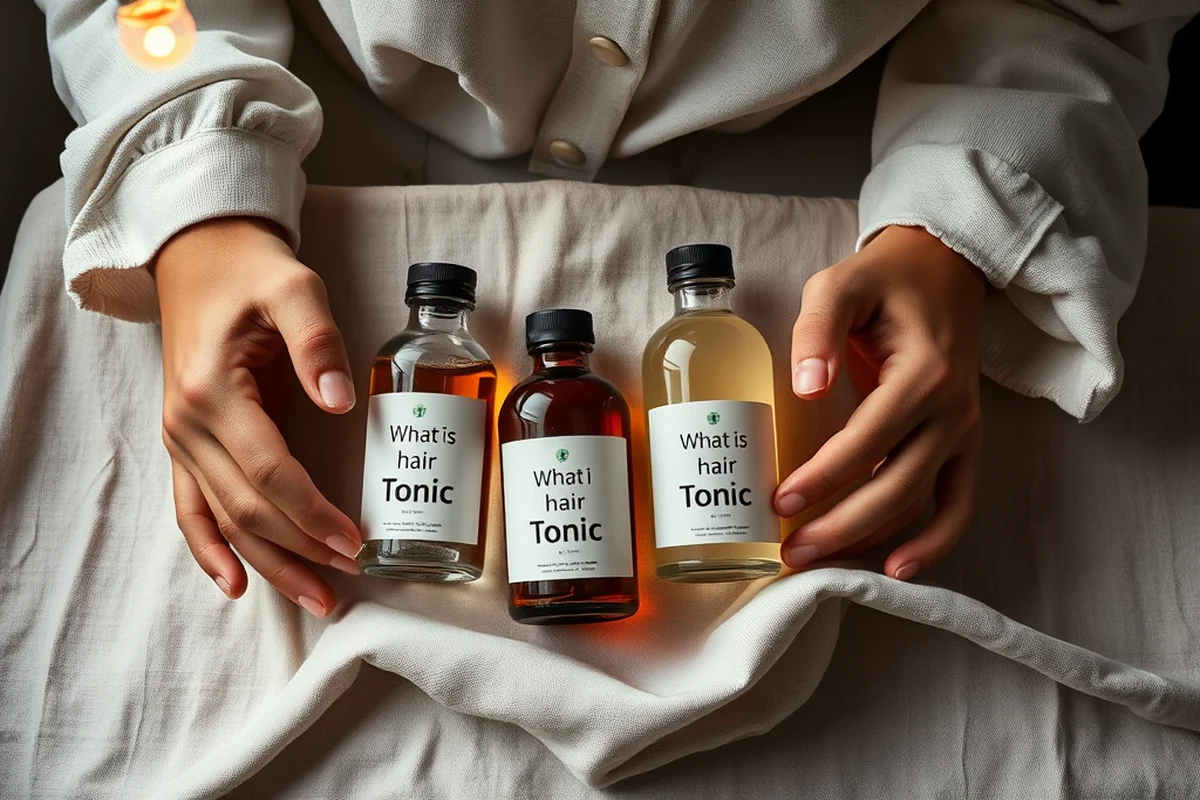
I usually apply hair tonic after washing, while my hair is still damp. This helps the product absorb more evenly and prevents it from sitting on the surface of the hair. It's a quick step that doesn't take much time but makes a noticeable difference in how my hair looks and feels.
For those with dry or frizzy hair, applying a tonic before styling can help smooth the cuticle and reduce flyaways. I've found that this step is especially helpful in the summer when humidity can make hair look flat and frizzy.
I've also experimented with using tonics as a leave-in treatment, especially in the morning when I need a quick boost of hydration. It's not a replacement for a full styling routine, but it's a helpful addition when time is limited.
Related: African hair braiding styles
The Benefits of Using Hair Tonic
One of the biggest benefits I've noticed is how hair tonic helps improve hydration. My hair used to be dry and prone to breakage, but after incorporating a tonic into my routine, I've seen a significant improvement in its overall health.
Another benefit is the reduction in frizz. I used to have a lot of flyaways, especially in the summer when humidity is high. Since using a tonic, my hair looks smoother and more defined, even in the worst weather conditions.
I've also noticed an improvement in the shine of my hair. The tonic gives it a natural, healthy glow that I can't achieve with just a serum or a leave-in conditioner. It's a small change that makes a big difference in how my hair looks and feels.
Related: What is best hair regrowth for men
Common Misconceptions About Hair Tonic
One of the most common misconceptions is that hair tonic is a substitute for a conditioner. But in reality, tonics are more about enhancing texture and providing a quick boost of hydration, rather than deeply nourishing the hair.
Another misconception is that tonics can be used on all hair types. While tonics are generally safe for most hair types, they are not a one-size-fits-all solution. I've found that using the wrong tonic for my hair type can lead to issues like build-up or dryness.
It's also a misconception that tonics can replace other hair products, like serums or oils. In reality, tonics are best used as a complement to other products, not a replacement. I've found that using a tonic in conjunction with a serum gives my hair the best of both worlds — hydration and shine.
Tonics are not a substitute for conditioners — they're a different step in the routine.
Related: How to thicken your hair naturally
Why Hair Tonic Is a Game-Changer for Hair Health
Hair tonic is more than just a quick fix — it's a long-term investment in hair health. I've noticed that using a tonic regularly has helped improve the overall condition of my hair, making it softer, smoother, and more manageable.
One of the biggest benefits is how it helps reduce frizz and flyaways. My hair used to look flat and lifeless, especially in the summer when humidity is high. Since using a tonic, I've noticed a significant improvement in how my hair looks and feels, even in the worst weather conditions.
I've also noticed that my hair feels more hydrated and healthy since incorporating a tonic into my routine. It's not just about aesthetics — it's about creating a healthier base for the hair, which can make a noticeable difference in how it looks and feels over time.
🌿 Sensitive Scalp
Tonics for sensitive scalps are formulated with gentle, non-irritating ingredients to soothe and calm the scalp.
💰 Budget-Friendly
Affordable tonics offer great value for those who want to maintain healthy hair without breaking the bank.
🧼 Minimalist Routine
Minimalist tonics are designed for use in simple, no-fuss hair care routines, focusing on hydration and shine.
🎯 Targeted Treatment
Targeted tonics are formulated to address specific hair concerns, such as frizz, dryness, or lack of volume.
🔄 Maintenance Routine
Maintenance tonics are designed to be used regularly to keep hair in optimal condition and promote long-term health.
| The mistake | Why it happens | The fix |
|---|---|---|
| Using the wrong tonic for your hair type | Using a tonic that is not suitable for your hair type can lead to issues like build-up, dryness, or frizz. | Choose a tonic that is specifically formulated for your hair type, whether it's fine, thick, curly, or straight. |
| Applying tonic to dry hair | Applying tonic to dry hair can lead to clumping and uneven application, which can make your hair look flat and lifeless. | Apply tonic to slightly damp hair for better absorption and a more even finish. |
| Using too much tonic | Using too much tonic can weigh down your hair and make it look greasy or flat. | Use a small amount of tonic and distribute it evenly throughout your hair. A little goes a long way. |
| Using tonic as a substitute for other hair products | Using tonic as a substitute for other hair products, like conditioners or serums, can leave your hair feeling dry and unmanageable. | Use tonic as a complement to other products, not a replacement. It's best used after washing and before styling. |
What Is Hair Tonic
Common Questions
Can I use hair tonic every day?
Does hair tonic work on all hair types?
What are the key ingredients to look for in a hair tonic?
Can I use hair tonic as a substitute for a conditioner?
References
Cite this guide
Natural Hair Tying Techniques (2026). What Is Hair Tonic. https://knotgrow.com/what-is-hair-tonic/
Feel free to cite or share this guide.