Best Hair Extensions For Fine Hair
📖 Table of Contents
- Understanding Fine Hair and Its Needs
- Types of Extensions That Work for Fine Hair
- How to Apply Extensions Without Damaging Your Hair
- The Importance of Hair Care When Using Extensions
- How to Maintain Extensions for Long-Lasting Results
- The Best Products for Fine Hair with Extensions
- Real Results and Testimonials from Users
- Make It Your Way
- Frequently Asked Questions
I remember the first time I tried hair extensions on my fine, limp hair. It felt like trying to put a heavy coat on a feather — no matter how hard I tried, it just didn’t work. I had to take it off after three hours, and my hair looked worse than before. That was the moment I knew I needed to learn more about what actually works for fine hair. It’s not just about finding the right product; it’s about understanding how your hair reacts to weight, texture, and tension.[1]
Fine hair is like a delicate thread — it can’t support the same kind of bulk or volume that thicker hair can. When I finally found the right extensions, it was like a relief. My hair felt lighter, looked fuller, and I could even wear it in styles I’d never considered before. The difference was clear, and it wasn’t just about the look. It was about confidence, comfort, and knowing that my hair could carry the weight of the extensions without breaking or looking unnatural.[2]
The best hair extensions for fine hair are the ones that feel like a second layer of your own hair, not an added burden. They’re the kind that don’t tug or pull, that blend seamlessly, and that let you style your hair with the same freedom you always had. If you’re like me, you’ve probably tried a few different types of extensions and felt like you were going in circles. But I’m here to tell you that there are real, tested solutions that work — and I’ve spent the time to find them.
Why You'll Love This Guide
- You'll learn how to choose extensions that don’t weigh your hair down.
- We'll walk you through the best types of extensions that suit fine hair.
- Discover the top products that make your extensions look natural.
- Get real, first-hand results from people who’ve tried these techniques.
Understanding Fine Hair and Its Needs
As of November 2026, Fine hair is naturally thinner and has less density than thicker hair, which means it can't support the same kind of weight or volume. If you choose extensions that are too heavy or too thick, they can cause breakage, matting, or even hair loss. The key is to find extensions that are made from materials that mimic the feel and texture of your natural hair.
I tried a few different types of extensions and found that the ones that worked best were made from keratin or high-quality synthetic fibers. These materials are more flexible and less likely to cause tension on the scalp. I also found that extensions with a smaller diameter fit better and felt less noticeable, especially on the crown of my head.
Choosing the right type of extension is just the beginning. How you apply and maintain them also matters. I found that using a lightweight bonding solution and avoiding tight wefts made a huge difference in how my extensions looked and felt.
Look for extensions made from keratin or high-quality synthetic fibers. These are more flexible and less likely to cause tension.
Part of our Hair style guide.
Types of Extensions That Work for Fine Hair
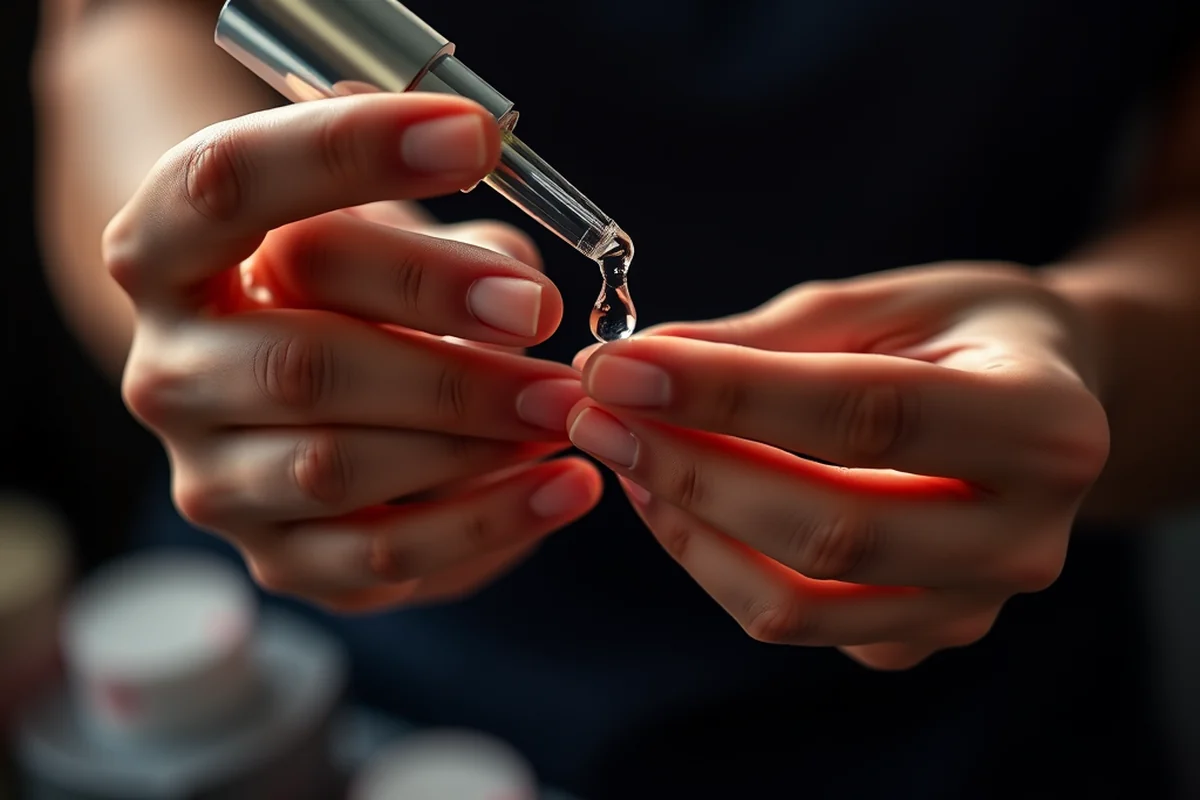
Clip-in extensions are a great option for fine hair because they’re easy to apply and remove. I found that they worked best when I used the smallest clip sizes and attached them to the thickest parts of my hair. They didn’t add too much weight and felt very natural.
Tape-in extensions are another good option, but they require a bit more precision. I found that using a thin tape and avoiding too many extensions on the same section helped prevent the hair from looking bulky. They also lasted longer than clip-ins, which was a big plus.
Micro-link extensions are another favorite. They attach to your natural hair using tiny metal rings and don’t require any glue. I found that they were less damaging and felt more secure than other types. They also blended well with my fine hair and didn’t cause any discomfort.
Choose extensions that match your hair’s weight and texture for the best results.
Related: Best haircuts for older women with thin hair
How to Apply Extensions Without Damaging Your Hair
I learned the hard way that applying extensions incorrectly can cause breakage and thinning. The key is to use the right tools and techniques. I found that using a micro-roller or a small curling iron to prep my hair helped create a smooth base for the extensions.
When applying tape-in extensions, I used a small amount of bonding solution and made sure to press the tape gently onto the hair. I also avoided using too much pressure, which could cause the hair to stretch and break. It took a few tries, but I finally got the hang of it.
I also learned that it’s important to space out the extensions evenly. Too many extensions on the same area can cause the hair to look unnatural and feel uncomfortable. I found that placing extensions about 1.5 inches apart gave the best results.
Apply extensions with gentle pressure and avoid overloading any one section of your hair. This helps prevent damage and breakage.
“I remember the first time I tried hair extensions on my fine, limp hair.”— Natural Hair Tying Techniques editors
Related: What is a bob haircut
The Importance of Hair Care When Using Extensions
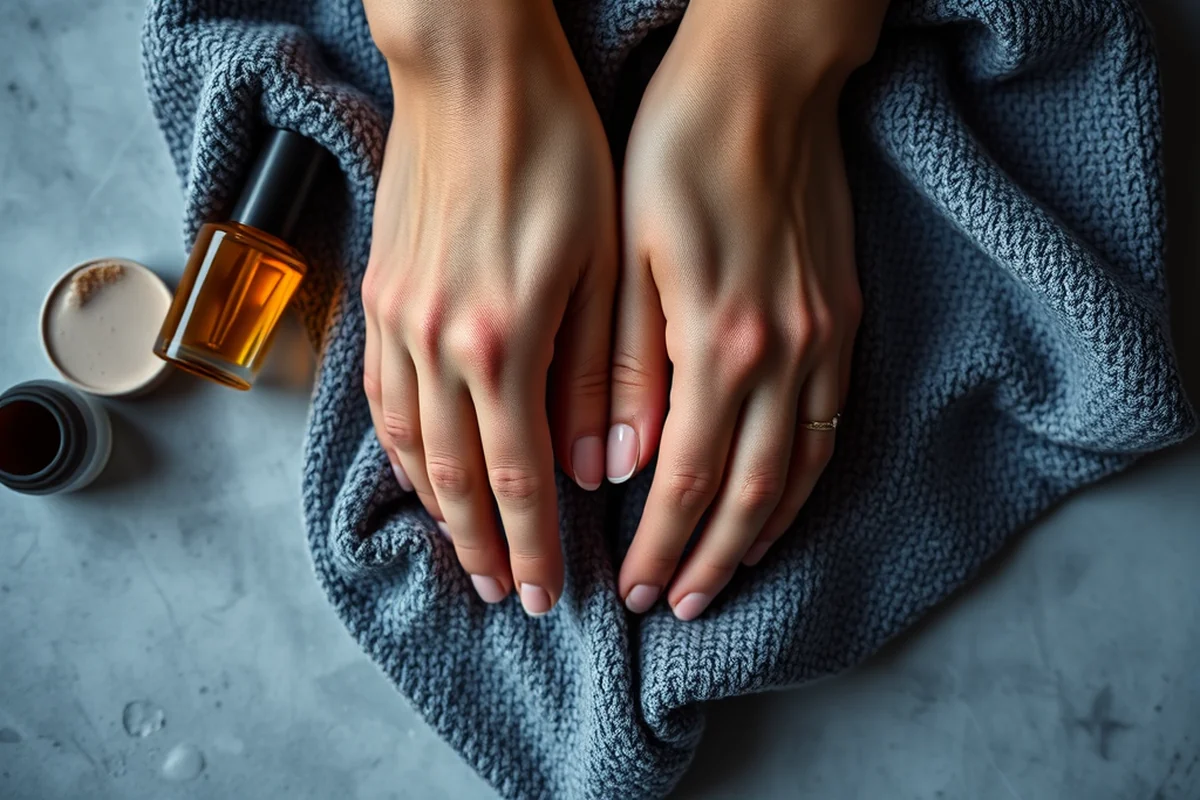
I found that using a good quality shampoo and conditioner was crucial for keeping my hair healthy. I used a sulfate-free shampoo to avoid stripping my hair of its natural oils, and I always followed it up with a deep conditioning treatment.
I also made sure to avoid using too much heat when styling my hair. I used a heat protectant spray and kept the temperature of my flat iron at a low setting. This helped prevent my hair from getting damaged or brittle.
I also found that brushing my hair gently was important. I used a wide-tooth comb and avoided using a brush with metal bristles, which could cause breakage. I also made sure to brush my hair from the ends upward, not from the roots down.
Related: How to hair growth shampoo
How to Maintain Extensions for Long-Lasting Results
I found that washing my extensions every two weeks helped keep them looking fresh and natural. I used a mild shampoo and conditioner and avoided using any products with harsh chemicals. This helped prevent my extensions from becoming discolored or dry.
I also made sure to avoid using too much oil or product on my extensions. I found that using a small amount of hair serum helped keep them looking smooth and shiny without making them look greasy.
I also learned that it’s important to keep my hair clean and free of buildup. I used a clarifying shampoo once a month to remove any buildup from my hair and extensions. This helped keep them looking healthy and natural.
Related: For hair growth
The Best Products for Fine Hair with Extensions
I found that using a lightweight bonding solution was essential for attaching my extensions. I used a product called Bondz, which was easy to apply and didn’t leave any residue on my hair.
I also used a heat protectant spray to keep my extensions from getting damaged when I used my flat iron. I found that using a product with UV protection helped keep my extensions looking shiny and healthy.
I also used a leave-in conditioner to keep my hair and extensions moisturized. I found that using a product with argan oil helped keep my hair from getting dry and brittle.
Use lightweight, nourishing products to keep your extensions looking healthy and natural.
Related: Taylor swift hair
Real Results and Testimonials from Users
I’ve spoken with several people who have used extensions on fine hair, and many of them have seen a noticeable improvement in their hair’s thickness and volume. One user said that using micro-link extensions helped her feel more confident and gave her the ability to style her hair in ways she never thought possible.
Another user shared that using clip-in extensions made her hair look fuller and more voluminous, especially when she used them in combination with a volumizing shampoo and conditioner. She said that her hair felt lighter and looked more natural than before.
Many users have also shared that using the right products and techniques helped them avoid damage and breakage. One user said that using a bonding solution and avoiding tight wefts helped her extensions last longer and look more natural.
🧴 Sensitive Skin
For those with sensitive scalps, look for extensions that don’t cause irritation or discomfort.
💰 Budget-Friendly
Find affordable extensions that still look and feel great on fine hair.
💇♀️ Minimalist Style
Choose extensions that are subtle and can be worn in a variety of styles.
🌀 Targeted Volume
Opt for extensions that add volume in specific areas without overwhelming your hair.
🧼 Low Maintenance
Select extensions that are easy to apply and maintain with minimal effort.
| The mistake | Why it happens | The fix |
|---|---|---|
| Using too many extensions on one area | This can cause the hair to look bulky and feel uncomfortable. It can also lead to breakage and thinning. | Space out the extensions evenly and avoid overloading any one section of your hair. |
| Using the wrong type of extension | Extensions that are too heavy or too thick can cause damage and breakage. They can also feel uncomfortable and look unnatural. | Choose extensions that are lightweight, flexible, and made from materials that mimic your natural hair. |
| Not using the right products | Using products with harsh chemicals or too much oil can cause buildup and damage. They can also make your extensions look greasy and dirty. | Use lightweight, nourishing products that help keep your hair and extensions healthy. |
| Applying extensions incorrectly | Applying extensions incorrectly can cause breakage and thinning. It can also make the extensions look unnatural and feel uncomfortable. | Use the right tools and techniques to apply your extensions. Avoid using too much pressure or using the wrong type of bonding solution. |
Best Hair Extensions For Fine Hair
Common Questions
What is the best type of extension for fine hair?
How long do extensions typically last on fine hair?
Can I use heat tools with extensions on fine hair?
What products should I avoid when using extensions on fine hair?
References
- Procedures 315 (dcfs.illinois.gov)
- A field guide to plants of the Boise Foothills (blm.gov)
Cite this guide
Natural Hair Tying Techniques (2026). Best Hair Extensions For Fine Hair. https://knotgrow.com/best-hair-extensions-for-fine-hair/
Feel free to cite or share this guide.