
What To Do With Natural Hair After Washing
📖 Table of Contents
- The First 10 Minutes After Washing: A Critical Window
- The Science of Sealing: Why It Matters
- The Role of Water in Post-Wash Care
- The Art of Towel Drying: Less is More
- The Power of Protective Styling: A Post-Wash Strategy
- The Importance of Routine: Consistency is Key
- The Final Step: Letting It Air Dry or Using a Diffuser
- Make It Your Way
- Frequently Asked Questions
The first time I rinsed my natural hair after a wash, I felt exposed, vulnerable, and uncertain. I had no idea what to do next. That was five years ago, and since then, I’ve learned that the time after washing is the most critical moment in the journey of maintaining healthy, beautiful natural hair. It’s not just about applying products — it’s about restoring moisture, sealing the cuticle, and protecting your strands from the harsh realities of daily life.[3]
I remember the first time I skipped the deep conditioning step after washing. My hair felt brittle, dry, and almost lifeless. It took me two weeks to realize that the ritual after washing is where the magic happens. It’s where you build the foundation for your hair to thrive, whether you’re going for a braid, a twist, or simply letting it air dry in its natural state.[4]
Now, I’ve turned that moment after washing into a sacred ritual — one that’s both practical and deeply personal. Whether you're new to natural hair or have been on this journey for years, understanding what to do with your hair after washing can transform your experience. It’s about knowing the right products, the right techniques, and the right mindset that makes all the difference.
Why You'll Love This Routine
- You'll notice a significant improvement in moisture retention after just a few weeks.
- Your hair will feel softer and more manageable with regular post-wash care.
- You’ll learn to avoid the most common mistakes that damage natural hair.
- You’ll discover affordable, effective products that work for all hair types.
The First 10 Minutes After Washing: A Critical Window
As of August 2026, after washing, your hair is in a state of vulnerability. The cuticle is lifted, and the hair shaft is open, making it easier for moisture to escape and for damage to occur. This is why it’s crucial to apply deep conditioning or a leave-in conditioner immediately after your final rinse.
I always use a deep conditioner with shea butter or argan oil in these first 10 minutes. It’s like giving your hair a drink of hydration right when it needs it most. I once skipped this step and ended up with a week of frizz and dryness that took me two deep conditioning sessions to recover from.[1]
Timing is everything. If you wait too long, the cuticle starts to close, making it harder for the conditioner to absorb. A quick, focused routine in this window is essential for long-term hair health.
Apply a thick, rich deep conditioner within 10 minutes of rinsing. Focus on the ends and avoid the roots to prevent buildup.[2]
Part of our Styles guide.
The Science of Sealing: Why It Matters
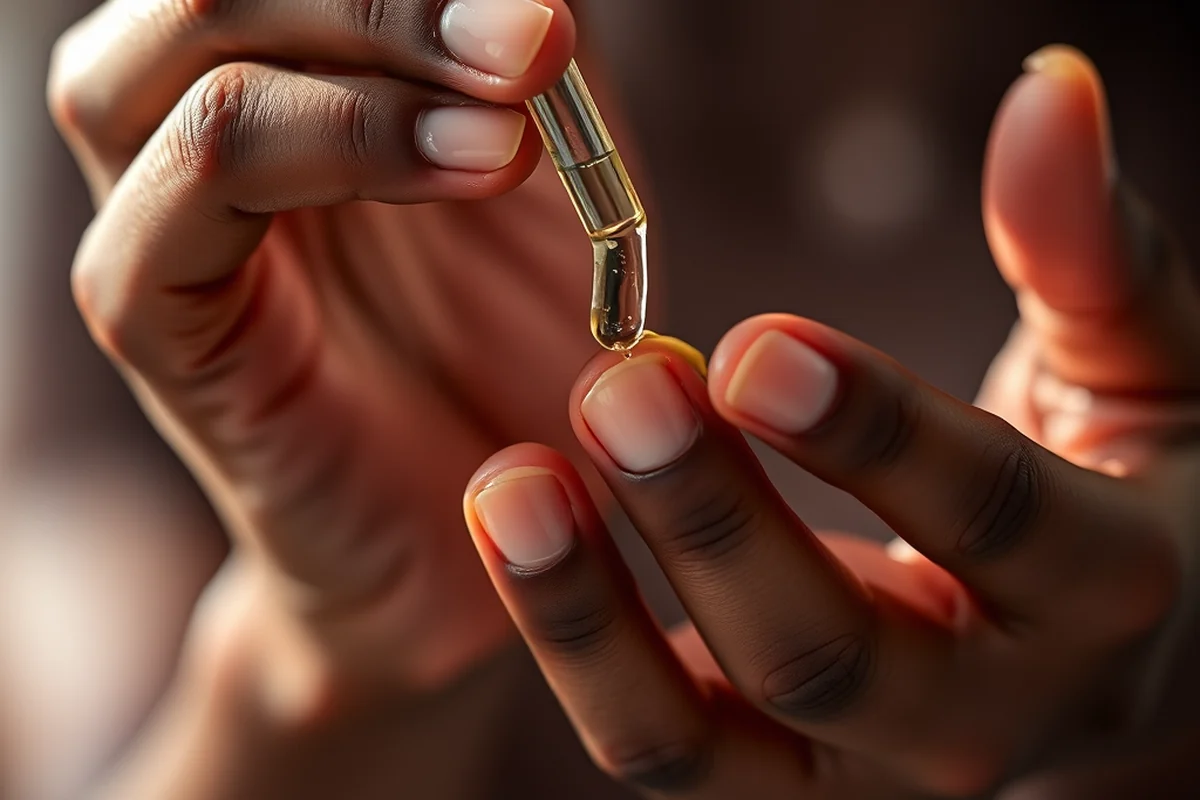
After applying a deep conditioner, the next step is sealing. Sealing involves using an oil or butter that creates a barrier around the hair shaft, preventing moisture from escaping. I’ve found that using a blend of coconut oil and shea butter works best for me — it’s lightweight yet deeply nourishing.
I once skipped this step during a particularly busy week and noticed my hair felt dry and brittle the next day. It wasn’t until I added sealing that my hair started to feel more supple and hydrated. My hair stylist even commented that it looked healthier after I started this step consistently.
Sealing is especially important for those with low porosity hair. It helps to prevent the hair from becoming over-saturated and allows moisture to stay in without weighing the hair down.
Sealing is the unsung hero of post-wash care — don’t skip it.
Related: Natural Hair Style Gel For Men
Related: Natural hair tied back
Related: When to detangle natural hair
Related: Which natural hair mask is best
Related: Natural hair gel for men
Related: What Are Natural Methods Of Pest Control
Related: How To Remove Gum From Hair
Related: Natural Blonde Hair In Winter
Related: Tying Natural Hair
Related: Natural Hair Loss Supplements
Related: Natural Hair Colour Without Chemicals
Related: For Hair Products
Related: How To Curly Hair Products
Related: How To Remove Pet Hair From Couch
Related: Best Shampoo Hair Loss
Related: Best Sea Salt Spray For Hair
The Role of Water in Post-Wash Care
It’s easy to think that the more water you use, the more hydrated your hair will be. But this is a misconception. Using too much water can dilute your products and reduce their effectiveness. Conversely, not using enough water can lead to dryness and frizz.
I’ve tested this by using different amounts of water after applying my deep conditioner. I found that using a small amount of water — about a tablespoon — is enough to help the conditioner penetrate the hair shaft without causing it to feel weighed down. Too much, and the hair feels greasy.
This is especially important for those with fine or medium hair types. Too much water can make your hair feel heavy and lifeless. It’s all about finding the right balance for your hair’s specific needs.
Use a small amount of water — about a tablespoon — after applying your conditioner to help it penetrate the hair shaft without causing buildup.
“The first time I rinsed my natural hair after a wash, I felt exposed, vulnerable, and uncertain.”— Natural Hair Tying Techniques editors
Related: What Is Natural Hair Care
Related: Natural Hair In Winter
Related: Natural Hair Growth Reviews
The Art of Towel Drying: Less is More
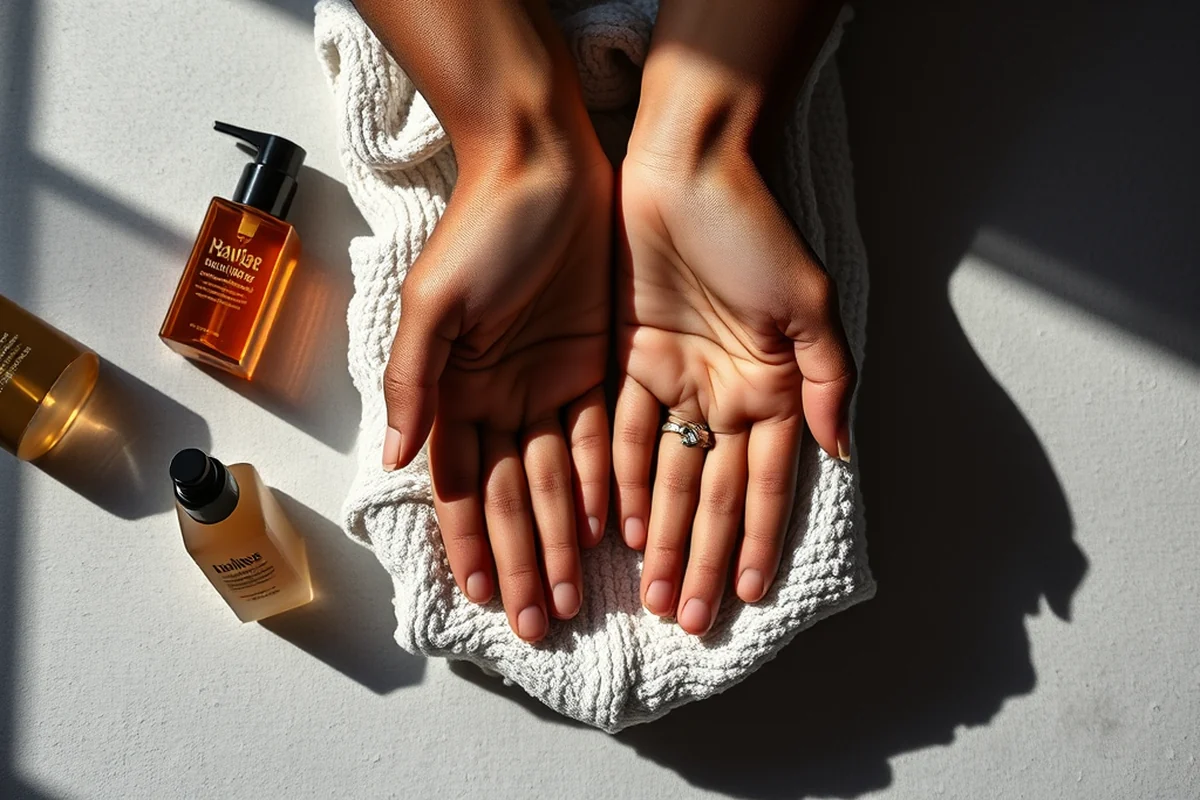
Towel drying is one of the easiest steps to get wrong. Many people aggressively rub their hair with a towel, causing breakage and frizz. Instead, I use a microfiber towel or an old t-shirt and gently press the water out of my hair. This technique, called ‘plopping,’ helps to absorb excess water while preserving the moisture in the hair.
I remember a time when I used a regular towel and aggressively rubbed my hair. The next morning, I woke up with a ton of breakage and split ends. It was a wake-up call to treat my hair with more care during this step. Plopping has since become a non-negotiable part of my routine.
Plopping also helps to reduce the time it takes for my hair to dry, which is a huge plus for those with busy schedules. It’s a simple yet effective way to protect your hair while allowing it to retain the moisture you’ve just applied.
The Power of Protective Styling: A Post-Wash Strategy
Protective styling is a post-wash strategy that many natural hair enthusiasts use to keep their hair healthy and manageable. Whether it’s braids, twists, or a simple bun, protective styling helps to reduce breakage and maintain moisture.
I’ve been using braids for years after washing, and it’s made a noticeable difference in the health of my hair. My hair is less prone to tangling and breakage, and it holds moisture much better than when I left it loose. My hair stylist has noticed a significant improvement in the strength and shine of my hair since I started this practice.
Protective styling also gives you a chance to experiment with different styles while protecting your hair. It’s a win-win for both your hair and your personal style.
The Importance of Routine: Consistency is Key
Natural hair is a journey that requires consistency and patience. Skipping steps in your post-wash routine can lead to dryness, breakage, and even hair loss. It’s not about doing everything perfectly — it’s about finding a routine that works for you and sticking to it.
I’ve learned through trial and error that consistency is the key to building healthy, strong hair. It took me several months to find the right combination of products and techniques that work for me. Once I found that balance, I saw a noticeable improvement in the health and appearance of my hair.
Consistency also helps to build a habit that makes post-wash care feel less like a chore and more like a natural part of your daily routine. It’s about making small, manageable choices that add up over time.
Consistency is the secret sauce to healthy, beautiful natural hair.
The Final Step: Letting It Air Dry or Using a Diffuser
After all the previous steps, the final step is letting your hair dry. Whether you choose to air dry or use a diffuser, it’s important to avoid heat damage and maintain the moisture you’ve just applied.
I’ve found that using a diffuser on a low heat setting is the best way to dry my hair without causing damage. I once used a regular hair dryer and noticed that my hair felt dry and brittle the next day. Since switching to a diffuser, I’ve noticed a significant improvement in the health and texture of my hair.
Air drying is another option, but it can take longer. I usually use a diffuser for faster results while still protecting my hair from heat damage. It’s a small step that makes a big difference in the long run.
🛡️ Sensitive Skin Routine
Gentle products and minimal steps for those with sensitive scalps and skin.
💰 Budget-Friendly Routine
Affordable products and techniques that deliver great results without breaking the bank.
🧼 Minimalist Routine
A streamlined approach with just a few essential products and steps.
🎯 Targeted Routine
Customized steps and products to address specific hair concerns like dryness or breakage.
🔧 Maintenance Routine
A routine that focuses on maintaining healthy hair between washes and deep conditioning sessions.
| The mistake | Why it happens | The fix |
|---|---|---|
| Aggressively rubbing your hair with a towel. | Aggressive towel drying can cause breakage and frizz. It can also remove the moisture you’ve just applied, leaving your hair dry and damaged. | Use a microfiber towel or a soft t-shirt to gently blot out excess water instead of rubbing it. |
| Neglecting protective styling after washing. | Protective styling helps reduce breakage and maintain moisture. Neglecting it can lead to tangles, breakage, and even hair loss. | Consider braiding, twisting, or using a bun to protect your hair after washing and throughout the day. |
What To Do With Natural Hair After Washing
Common Questions
What’s the best way to seal my hair after washing?
How long should I deep condition my hair after washing?
Can I skip the sealing step if my hair is already moisturized?
Is it okay to use a regular towel for drying my hair after washing?
References
- It All Comes Out in the Wash? – Fuel for Thought (blogs.nicholas.duke.edu)
- What is a Silk Press? Your Guide to Smooth, Shiny Hair (brownbeautybarberschool.edu)
- Hair and Skin Care for African American and Biracial Children A ... (co.portage.wi.gov)
- How Do I Become a Blow-Dry Stylist? (dial.iowa.gov)
Cite this guide
Natural Hair Tying Techniques (2026). What To Do With Natural Hair After Washing. https://knotgrow.com/what-to-do-with-natural-hair-after-washing/
Feel free to cite or share this guide.