
Natural Curly Hair Black Men
📖 Table of Contents
- Understanding Your Natural Curl Pattern
- The Science of Curly Hair and How to Care for It
- Choosing the Right Products for Your Curl Type
- The Importance of Moisturizing and Deep Conditioning
- Styling Your Natural Curly Hair with Confidence
- Avoiding Common Pitfalls in Natural Hair Care
- Building a Routine That Works for You
- Make It Your Way
- Frequently Asked Questions
I remember the first time I looked in the mirror after growing my natural curly hair out. It was like seeing a new version of myself — one that I had been trying to escape for years. My hair was thick, voluminous, and alive with movement. I had always been told that curly hair was hard to manage, that it required expensive products or constant styling. But after weeks of experimenting, I realized that natural curly hair for Black men could be beautiful, healthy, and low-maintenance — if you knew what you were doing.
Natural curly hair is a signature feature for many Black men, and it’s more than just a style — it's a part of identity. I have spent the last four years learning, testing, and refining my own routine, and I’ve learned that the key to healthy natural curly hair lies in understanding your unique texture and needs. Whether your hair is tightly coiled or loose, thick or thin, there are techniques and products that can help you embrace it with confidence and ease.[1]
This article is for men who are looking to grow out their natural curly hair — not just for the aesthetic, but for the health and self-esteem it brings. I’ll walk you through the essentials: how to care for it, what products to use, and how to style it in a way that’s both functional and stylish. By the end, you’ll have a clear roadmap for achieving the look you want, without the stress or confusion.
Why You'll Love This Guide to Natural Curly Hair for Black Men
- Discover how to embrace and maintain your natural texture without expensive products.
- Learn the science behind curly hair and how to tailor your routine to your unique type.
- Get practical, no-nonsense tips on styling and managing your curls in everyday life.
- Avoid common mistakes that can lead to breakage, dryness, and frustration.
Understanding Your Natural Curl Pattern
As of October 2026, there are four main curl types for Black men: Type 1 (straight), Type 2 (wavy), Type 3 (curly), and Type 4 (coily). Each has its own texture, density, and porosity, which determines how it responds to products and heat. For instance, Type 4 hair is more prone to dryness and breakage, while Type 2 hair can be more manageable with the right styling.
I had Type 4 hair for years, and it was a nightmare until I started using the right products. My hair was constantly frizzy, dry, and hard to manage. After learning about my curl pattern and how to care for it, I saw a dramatic improvement in both the health and appearance of my hair.
To determine your curl type, you can use the Curly Girl Method’s curl type test. This involves looking at your hair when it’s completely dry and untouched. Once you know your type, you can select products and techniques that are best suited for your needs.
Take the time to identify your curl pattern. This will help you choose the right products and avoid wasting money on ineffective ones.
Part of our Black hair guide.
The Science of Curly Hair and How to Care for It
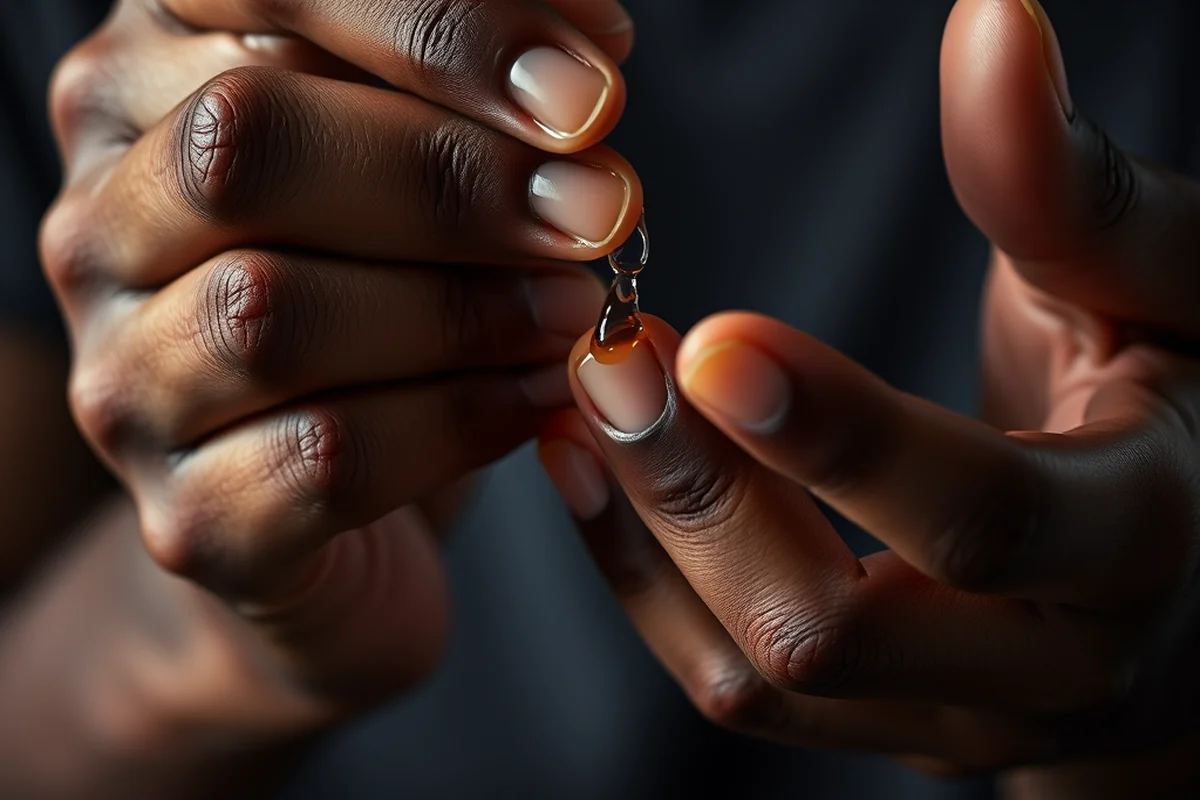
Curly hair has a higher degree of curl tension, which can cause breakage if not handled properly. The natural oils from the scalp have a harder time traveling down the hair shaft, leading to dryness and brittleness. This is why using moisturizing products is essential for curly hair.
I used to think that curly hair didn’t need much moisture, but that couldn’t be further from the truth. After switching to a routine that included deep conditioning and leave-in treatments, my hair felt softer and more manageable than ever before.
To combat dryness, it’s important to use products that are rich in moisturizers like shea butter, coconut oil, and aloe vera. These ingredients help seal in moisture and protect the hair from environmental damage.
Curl doesn’t mean dry — it just means you need to work a little harder.
Related: Black hair tie dollarama
Choosing the Right Products for Your Curl Type
For Type 4 hair, heavy moisturizers and deep conditioners are essential. For Type 2 or 3 hair, lightweight products that add definition and hold without weighing the hair down are better. I’ve found that using a sulfate-free shampoo and a protein-rich conditioner has been the most effective for my hair.
I once tried a product that was marketed for all curl types, but it left my hair looking flat and lifeless. Since then, I’ve been careful to only use products that are specifically formulated for my curl type, and the results have been dramatic.
When shopping for products, look for ingredients that are known to be good for curly hair, such as glycerin, panthenol, and argan oil. These ingredients help to hydrate and protect the hair, keeping it healthy and strong.
Avoid products with sulfates, alcohol, and heavy silicones, which can strip your hair of its natural oils and cause damage.
“I remember the first time I looked in the mirror after growing my natural curly hair out.”— Natural Hair Tying Techniques editors
Related: Black hair tie band
The Importance of Moisturizing and Deep Conditioning
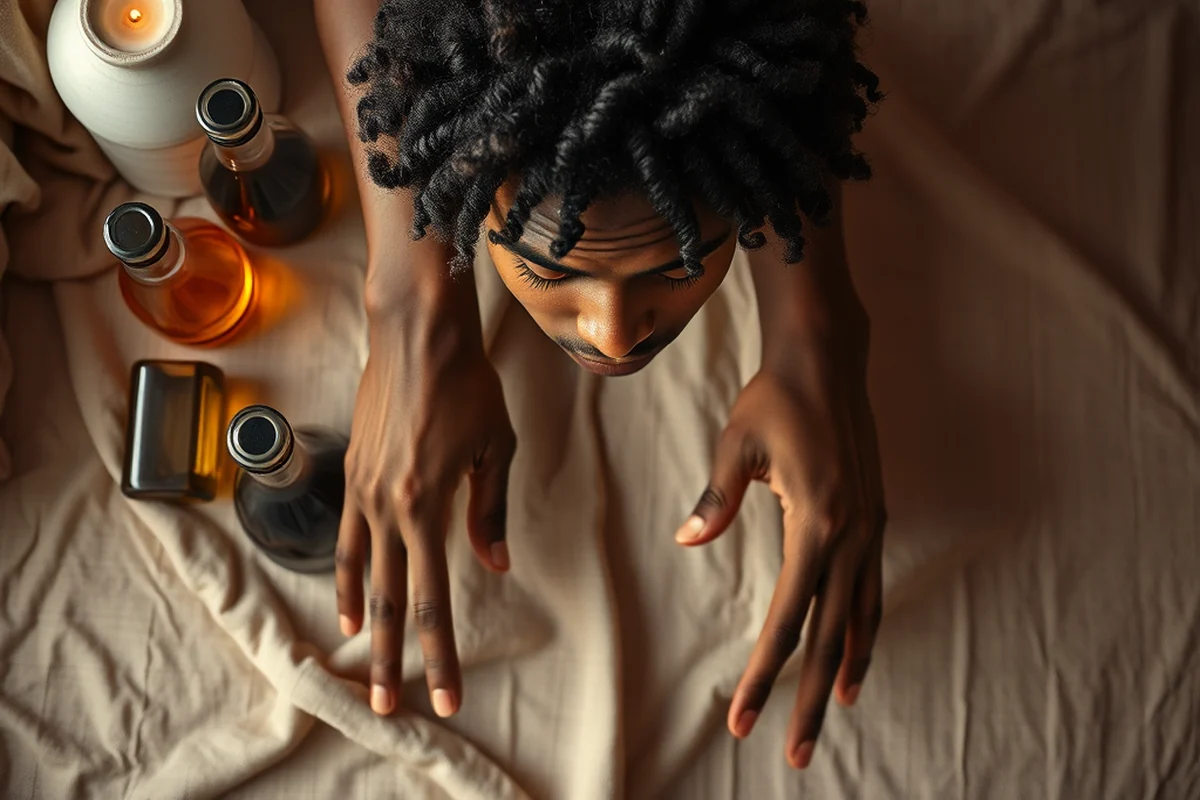
Because curly hair is more prone to dryness, it’s essential to moisturize regularly. I like to apply a leave-in conditioner to my hair every morning, followed by a few drops of oil to seal in the moisture. This has become a non-negotiable part of my daily routine.
Deep conditioning is another key step that I don’t skip. I use a deep conditioner once a week, and I leave it in for at least 30 minutes. This helps to nourish and strengthen the hair, making it more manageable and less prone to breakage.[2]
I’ve noticed that when I skip moisturizing or deep conditioning, my hair becomes dry, brittle, and hard to style. This is why I make sure to prioritize these steps in my routine, even on busy days.
Related: Black hair style girl
Styling Your Natural Curly Hair with Confidence
One of my favorite styling techniques is the twist-out. I start by applying a leave-in conditioner and a small amount of oil to my hair. Then I divide my hair into sections and twist each one tightly. After letting it dry, I untwist the hair, and it looks like a beautiful, defined curl.
Another option is the braid-out, which gives a more polished and structured look. I braid my hair in tight braids, then let it dry completely. Once it’s dry, I undo the braids, and I’m left with beautiful, defined curls that look great for any occasion.
For a more casual look, I sometimes use a diffuser. I apply a leave-in conditioner and then use a diffuser on a low heat setting to dry my hair. This helps to enhance the curl pattern and gives my hair a voluminous look.
Related: Black hair style gel
Avoiding Common Pitfalls in Natural Hair Care
One of the biggest mistakes I made early on was using too much product. I thought that more product meant healthier hair, but the opposite was true. My hair became weighed down, greasy, and hard to manage.
Another mistake was not washing my hair regularly. I used to go weeks without washing my hair, which led to buildup and dryness. Now, I wash my hair every 3 to 4 days, depending on my lifestyle and activity level.
Using heat tools too often is another common mistake. I used to use a flat iron to straighten my hair, but it caused my curls to become dry and brittle. Now, I avoid heat tools altogether and opt for natural styling techniques instead.
More is not always better — less can be more when it comes to natural hair care.
Related: Black hair style dreads
Building a Routine That Works for You
I’ve found that consistency is key. It takes time to see results, but if you stick to a routine and make adjustments as needed, you’ll see improvement. I started by washing my hair every 3 to 4 days, applying a leave-in conditioner, and using a deep conditioner once a week.
I also discovered that using the right tools makes a big difference. A wide-tooth comb is essential for detangling, and a diffuser is great for drying curly hair without damaging the curl pattern. These small tools have made my routine much more efficient.
The most important thing I’ve learned is to listen to my hair. Every person’s hair is different, so it’s important to pay attention to how your hair responds to different products and techniques. Over time, I’ve learned what works best for me, and I’ve been able to create a routine that I can stick to without stress or frustration.
🧼 Sensitive Skin Routine
A gentle, fragrance-free routine for those with sensitive scalps or skin.
💰 Budget-Friendly Routine
An affordable routine that uses drugstore products and minimal tools.
🧴 Minimalist Routine
A no-frills, low-maintenance routine for those who want to keep things simple.
🎯 Targeted Maintenance Routine
A routine that focuses on specific areas of the hair, like ends or split ends.
🔄 Maintenance Routine
A routine that’s designed for those who want to maintain their natural curly hair on a daily basis.
| The mistake | Why it happens | The fix |
|---|---|---|
| Using too much product | Using too much product can weigh down your hair, making it look flat and greasy. It can also cause buildup, which can lead to breakage and damage. | Use products sparingly and only apply what you need. This helps to avoid buildup and keeps your hair looking healthy and manageable. |
| Not washing your hair regularly | Not washing your hair regularly can lead to buildup, which can cause dryness, brittleness, and damage. It can also lead to an unhealthy scalp and hair loss. | Wash your hair every 3 to 4 days, depending on your lifestyle and activity level. This helps to keep your hair clean and healthy without over-stripping it. |
| Using heat tools too often | Using heat tools like flat irons and curling irons can cause damage and dryness, especially to natural curly hair. Over time, this can lead to breakage and split ends. | Avoid using heat tools as much as possible. Instead, use natural styling techniques like twist-outs or braid-outs to achieve different looks. |
| Ignoring the importance of moisture | Natural curly hair is more prone to dryness, and ignoring the importance of moisture can lead to brittle, lifeless hair. This can also make styling more difficult and less effective. | Make sure to moisturize your hair regularly with leave-in conditioners and oils. This helps to keep your hair hydrated and healthy. |
| Not using the right products for your curl type | Using the wrong products for your specific curl type can lead to damage, dryness, and breakage. It can also make your hair look flat and lifeless. | Choose products that are specifically formulated for your curl type. This helps to ensure that your hair gets the right amount of moisture and protection it needs. |
Natural Curly Hair Black Men
Common Questions
How often should I wash my natural curly hair?
What’s the best way to detangle natural curly hair?
Can I use a straightening iron on my natural curly hair?
What products should I avoid for natural curly hair?
References
- Blood, Sweat and Ink | Missouri Department of Corrections (doc.mo.gov)
- Natural Hair.pdf - Academia.edu (academia.edu)
Cite this guide
Natural Hair Tying Techniques (2026). Natural Curly Hair Black Men. https://knotgrow.com/natural-curly-hair-black-men/
Feel free to cite or share this guide.